A Wauwatosa Gardener Sowed Crimson Clover in Raised Beds, Planted Five Bare-Root Natives and Pulled Two Carts of Non-Natives in Her November Garden Tally
Marilu Knode counted her November garden in carts and plants. The Wauwatosa gardener sowed crimson clover in unplanted raised beds, put five bare-root native plants into the ground and pulled out two carts of non-native plants, she writes in a Nov. 2, 2026 column for Milwaukee Magazine.
Knode describes herself as a curator, arts administrator and self-taught amateur gardener. She volunteers with the Tosa Wildlife Habitat initiative, which is working to certify Wauwatosa as a wildlife habitat city under National Wildlife Federation guidelines. Her tally reads like a checklist for a late-season yard, and several entries line up with what national programs say about the same tasks.
The clover that sprouted in a week
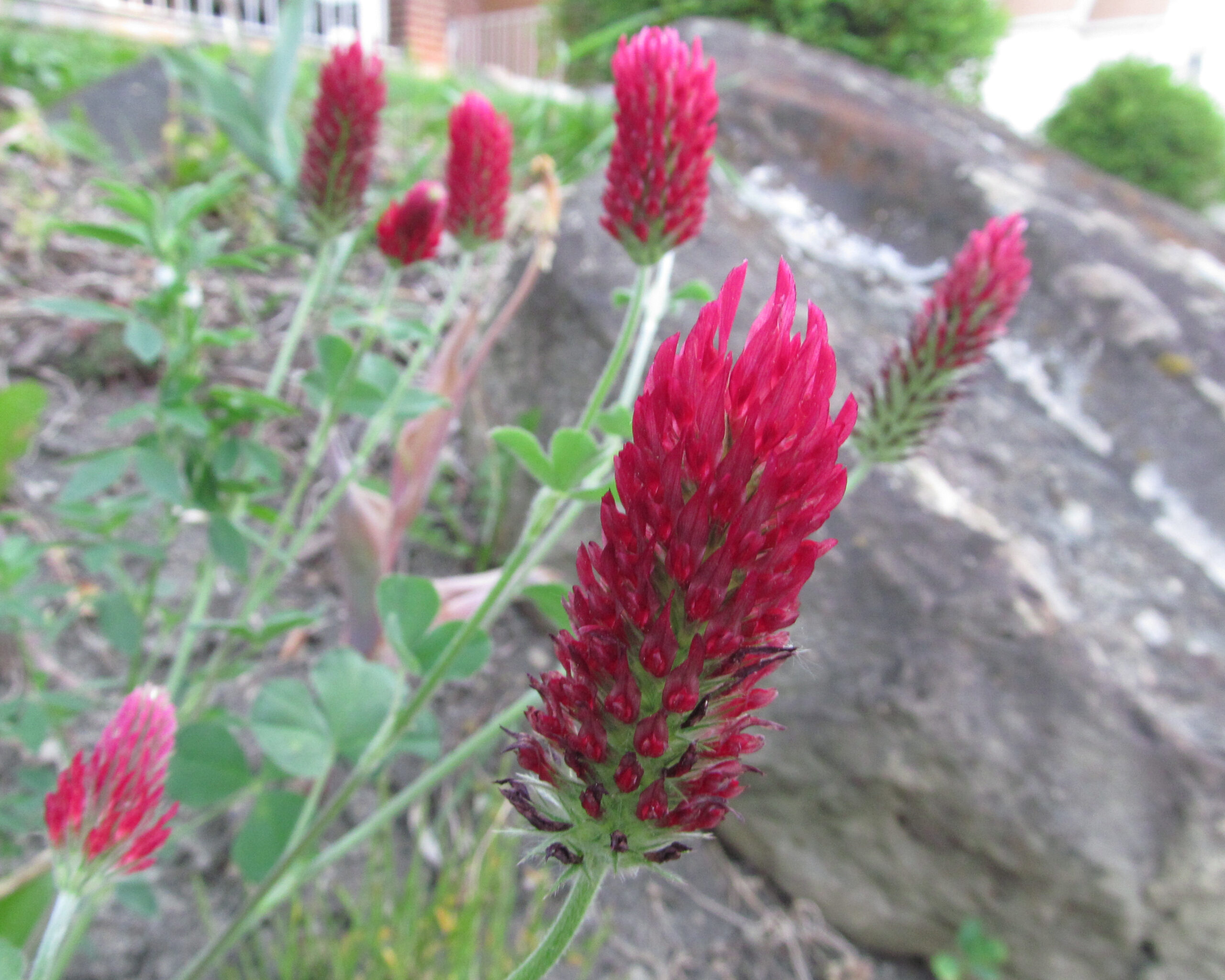
The crimson clover went into raised beds that had nothing planted in them, and it sprouted within a week, Knode writes. She notes that clover is a nitrogen-fixing legume, which is the reason to sow it in an empty bed.
The Sustainable Agriculture Research and Education program, in its cover crop guide, says a winter annual crimson clover typically contributes 70 to 150 pounds of nitrogen per acre. The guide advises seeding six to eight weeks before the average date of first frost, and says planting too early can cause the clover to set seed in fall.
Hardiness depends on the zone, according to the same guide. In zones 5 and colder, crimson clover is often grown as a winter-killed annual, similar to oats, and it sometimes survives winter in southern Michigan. It suits well-drained soils, especially sandy loam, and performs poorly on heavy clay or waterlogged ground. The guide adds that crimson clover provides nectar and habitat for bees and beneficial insects. For gardeners who plan to plant into the bed later, the guide says to wait two to three weeks after the clover is killed so the residue can decompose, and to inoculate the seed if clover has not grown there before. The figures come from a 2007 edition of the guide, so regional recommendations may have changed. This site also covered HGTV’s list of fall cover crops, which includes crimson clover.
Five bare-root natives and six Joe Pye weeds
For the plants, Knode chose bare-root natives: Virginia waterleaf, Virginia bluebell, Riddell’s goldenrod, rudbeckia and bellwort. She says she prefers bare roots because they are easier to grow than seed. She also added six new Joe Pye weed plants for a taller pollinator edge, along with more columbine, asters and queen of the prairie.
Her reason is habitat. Native plants and seeds provide food and habitat for pollinators and other wildlife, she writes. The nonprofit group Wild Ones, which promotes native landscapes through education, advocacy and collaborative action, describes native plants as helping to protect and restore biodiversity, improve air and water quality, and give wildlife food and shelter.
Knode credits a Wild Ones talk by Dr. Shaun McCoshum for shaping her choices. Her takeaways included adding sand for ground-nesting bees, leaving brush for nesting and building a snake shelter. She admits she probably will not build the snake shelter, but notes that something is already burrowing in a dead stump.
Two carts of non-natives and a bee balm that kept getting mildew
The subtraction side of the tally was bigger than the planting side. Knode pulled out two carts of non-native plants. She also removed her red bee balm, which got powdery mildew every year, to clear the spores causing the problem in a shady corner.
Other plants were rehomed instead of composted. Two hydrangeas went to a friend’s daughter’s yard, hostas and astilbes went to a rummage sale, and the rest went on her compost pile. Not everything non-native left, though. She added Japanese anemone and a checker bloom, a pink mallow similar to hollyhock.
Seeds chilling in ice cube trays
Some of Knode’s work will not show until 2027. Seeds of Virginia bluebell, smooth yellow violet and tall green milkweed are cold-stratifying, or chilling, in ice cube trays, to move outdoors next year. She sowed other native seeds in covered raised beds, including rue, tall sunflower, early sunflower, lupine, black cohosh and path rush.
Her fall vegetables are under row covers: chard, arugula, kale and spinach. She expects only the kale to survive the winter. The cold frame has moved back onto the deck, and she plans to start vegetable seeds in January or February.
Where the habitat idea comes from
The wildlife habitat certification that Wauwatosa is pursuing is a long-running program. The National Wildlife Federation’s Garden for Wildlife pages say all efforts incorporate habitat essentials built around native plants, suggest at least 70 percent native plants, and say a small space can qualify if it has native plants and a water source. The federation says the program has run for over five decades.
Knode adds that Elm Grove is already certified as a wildlife habitat yard, and that several nearby communities are working toward certification. She calls for rotating plants over time, comparing it to the way buffalo reshape the land. She also cites Doug Tallamy’s figure that replacing half of American lawns with native plants would create roughly a 20-million-acre park, and notes that Wild Ones Milwaukee offers a free seven-page garden plan. Her column also points to America Recycles Day on Nov. 15.
Leaving some of the yard alone fits the same approach. University of Illinois Extension horticulture educator Ken Johnson writes in an Oct. 16, 2026 post that leaf litter provides winter habitat for insects, native bees, salamanders and toads, and that leaving part of the landscape undisturbed until spring helps them.
This article was produced with AI assistance and edited for accuracy against the sources linked above.
Image: “Trifolium incarnatum, 2021-05-20, Beechview, 03” by Cbaile19 is released under CC0.