One Neighbor Filed About 30 Weed Complaints Down Her Road, So a Wildflower Gardener Got Her Yard Certified as a Wildlife Habitat and the County Closed the Case
When the county called about her “overgrown weeds,” a wildflower gardener learned she was far from the only target. The employee told her husband he had received about 30 complaints, all from one person, filed house by house along their road.
She answered with paperwork instead of a mower. She had the yard certified as a National Wildlife Habitat, the county reviewed the certificate, and the case was closed, according to TwistedSifter’s Oct. 18 write-up of her account.
A Yard With No Lawn at All
The yard at the center of the complaint does not have a lawn. The owner pulls invasive and noxious plants and grows native, drought-resistant species instead.
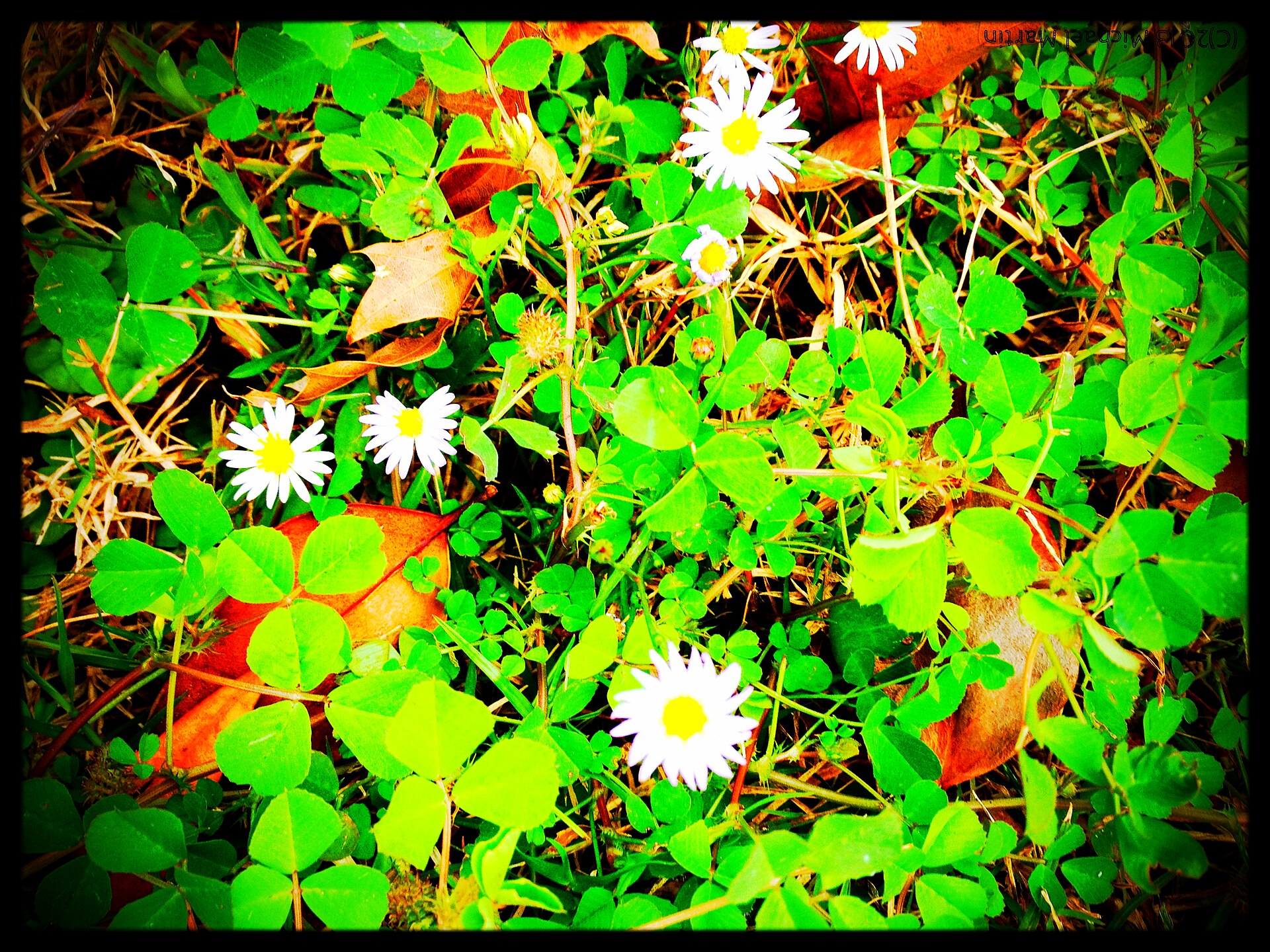
Lupine, blue flax, spiderwort, black-eyed Susan and sunflowers fill the beds. Driftwood logs help hold water, and an elk skull doubles as shelter for small animals. Birds, bees and rabbits all live there, she said.
The county’s notice of an ordinance violation arrived the previous summer.
To a passerby used to mowed grass, a yard like that can look untended. To the people who planted it, every clump of spiderwort and every sunflower is there on purpose, which is exactly the distinction the county’s own rules turned on.
About 30 Complaints From One Neighbor
When her husband called the county, the employee explained the scale of it. Complaints had to be filed one address at a time, and one person had reported roughly 30 houses on their road for overgrown weeds.
Rather than argue, she read the ordinance. She found that her wildflowers counted as “purposely cultivated,” and that nothing in her yard blocked a sidewalk or spilled onto anyone else’s property.
Under the ordinance as she read it, the two questions that mattered were whether the plants were grown deliberately and whether anything crossed onto a sidewalk or a neighbor’s land. Her yard passed on both counts. Because complaints had to be filed one address at a time, the neighbor’s campaign had to name each house separately, and hers was only one of roughly 30.
Then she applied for certification through the National Wildlife Federation, paid the fee and received the certificate. The county employee looked it over, thanked her husband for the information and closed the case. She now has signs out front announcing the property as a wildlife habitat.
What the Certification Takes
The National Wildlife Federation’s program is open to almost any yard. According to the federation’s certification page, “any small space with native plants and a water source can qualify,” and it suggests aiming for at least 70% native plants. Applicants can take a short quiz or review a checklist before applying.
A certificate is not a legal shield in every town. But in a dispute over whether a yard is neglected or deliberately planted, it gives a homeowner something official to hand a code officer.
Native Yards Keep Colliding With Weed Rules
Other gardeners have not been as lucky. In East Ridge, Tennessee, city crews mowed most of Chester Perry’s native grasses and wildflowers after code enforcers cited him under a rule about untidy lots, the Chattanooga Times Free Press reported. Perry told the city council the current limit on weed and grass height is vague, and the city is now looking at revising its weed rules.
Some cities have already written exemptions. Grapevine, Texas, now caps lawns at 6 inches but exempts yards certified under its free native-plant program.
State law can also play a part. In Texas, HOAs may require a landscaping plan for drought-resistant or water-conserving yards but cannot unreasonably deny approval, according to a summary of the Texas Property Code from FirstService Residential.
For anyone facing a weed complaint, the first step is the same one this gardener took: read the actual ordinance. LawnStarter’s guide to neighbor disputes suggests searching a city or county website for its nuisance code, reviewing any HOA bylaws, or calling code enforcement directly.
In this case, one neighbor’s 30 complaints ended with a certificate and a sign in the yard announcing exactly what the wildflowers are for.
This article was produced with AI assistance and edited for accuracy against the sources linked above.
Image: Michael Martin from Cypress, Texas – CC BY-SA 2.0/Wikimedia Commons