University of Minnesota Extension Says Roots of Most Trees and Shrubs Die at 0 to 10 Degrees, So New Plantings Get 3 to 4 Inches of Shredded Wood Mulch
The roots of most Minnesota trees and shrubs die at temperatures between 0 and 10 degrees, according to the University of Minnesota Extension. The same guide recommends covering the roots of newly planted trees and shrubs with 3 to 4 inches of shredded wood mulch, pulled about 6 inches back from the trunk.
The guidance appears in the University of Minnesota Extension guide to protecting trees and shrubs in winter, reviewed in 2026, and it applies to the season now underway as soil temperatures fall across the North.
Why Roots Are the Weak Point
Roots are the less hardy end of a tree or shrub. University of Missouri horticulturist David Trinklein makes that point in a Missouri Environment and Garden article, noting that roots are more vulnerable to cold than shoots. In above-ground containers, he says, the soil can get nearly as cold as the air, so roots there can die unless the plant is moved indoors or protected.
Trinklein recommends mulching the base of trees and shrubs to hold moisture and limit how deep frost reaches. The Minnesota guidance on mulch depth is aimed specifically at new plantings.
The 3-to-4-Inch Mulch Layer and the 6-Inch Gap
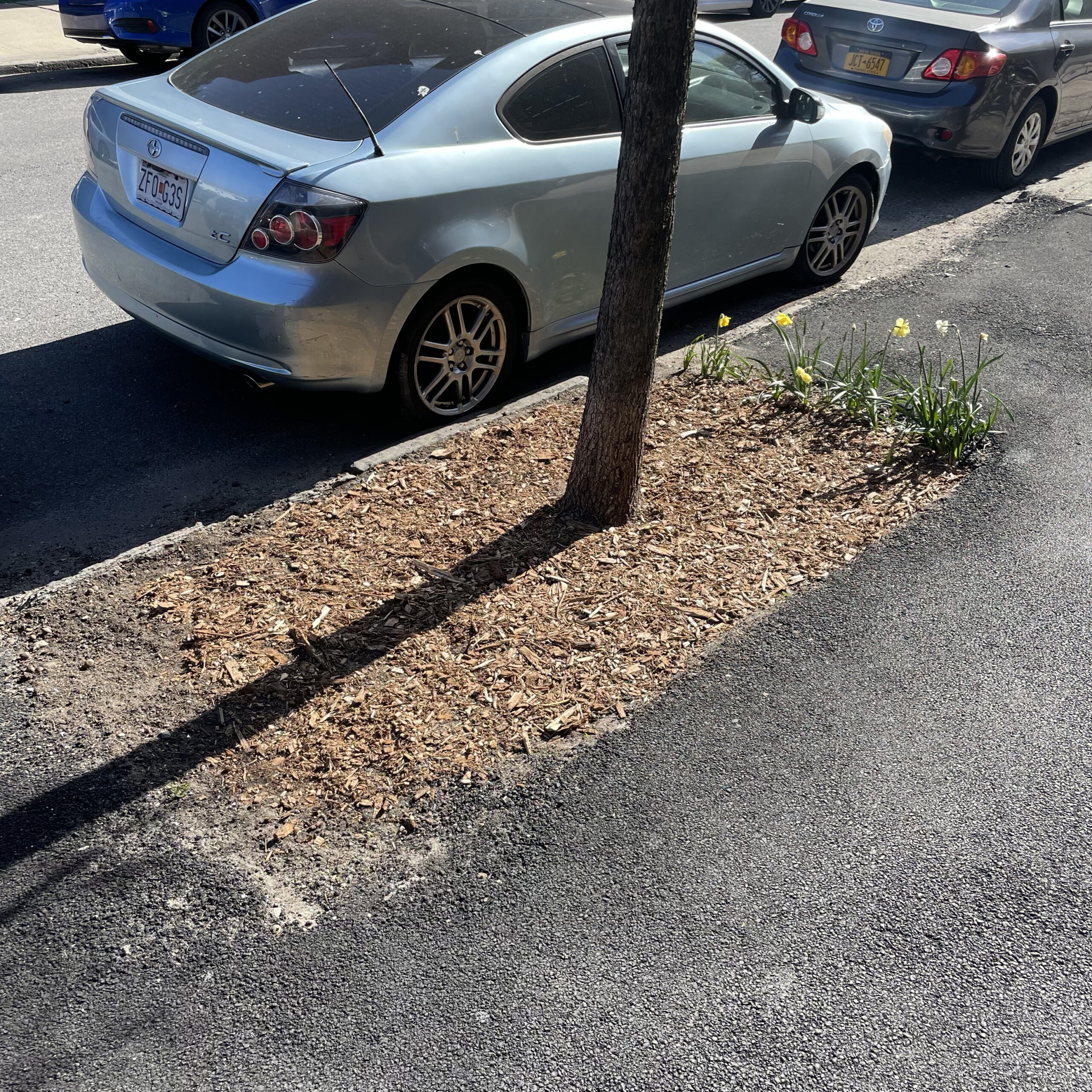
Minnesota Extension calls for 3 to 4 inches of shredded wood mulch over the roots of new trees and shrubs. The mulch is pulled about 6 inches away from the trunk to form a donut shape, which the extension says discourages roots from growing around and girdling the trunk.
Nebraska Extension educator Sarah Browning gives similar numbers. In a Nebraska Extension column on winter protection, Browning recommends a mulch ring 3 to 6 feet in diameter around sensitive trees and shrubs, using 3 to 4 inches of coarse wood chips, applied before winter.
In a separate Nebraska Extension article on mulch, Browning says a layer about 3 inches thick is best, with coarse wood chips laid about 4 inches deep because they compact to about 3. She warns against exceeding those depths and against piling mulch against the bark, which she says can invite mice and cause girdling. Trinklein likewise says mulch should not be piled against trunks, since that can promote disease.
Thicker Mulch Against Frost Heaving
Minnesota Extension recommends a deeper layer, 4 to 6 inches, where frost heaving is the concern, to keep soil temperatures steadier. Heaving happens when repeated freezing and thawing pushes plants up and out of the soil.
Purdue University Extension consumer horticulture specialist B. Rosie Lerner explains the mechanism in a Purdue guide to winter mulch. Winter mulch, Lerner says, is meant to keep plants dormant rather than warm, buffering the soil from large temperature swings that cause heaving. She names shallow-rooted plants and newly planted specimens as the most at risk.
Lerner recommends about 2 to 4 inches of organic mulch in most cases, using straw, pine needles, hay or bark chips, and says it should go on only after plants are fully dormant and temperatures stay consistently below freezing. Applying it too early, according to the Purdue guide, can smother plants and encourage disease.
Watering Before the Ground Freezes
Mulch works alongside water. Minnesota Extension says that if fall has been dry, trees should be watered deeply before the ground freezes to reduce frost penetration. For evergreens, the extension advises easing off watering in September, then watering thoroughly in October until freeze-up.
Trinklein says that after a dry fall, the soil should be soaked before it freezes, since frozen soil limits the water roots can take up. Browning recommends watering monthly when the ground is not frozen, including in November and December.
Gardeners looking at other cold-season tasks for the same plantings can read this site’s guides to watering new evergreens before the freeze and how deep leaves and tree mulch should go.
Other Winter Steps for Young Trees
Minnesota Extension also recommends wrapping newly planted trees against sunscald for at least two winters, and thin-barked species for up to five winters or more, using a white wrap or plastic guard rather than brown paper or black guards. Wraps go on in fall and come off in spring after the last frost.
The extension adds that grass and other vegetation within 2 feet of young trees should be cut in late fall. Trinklein recommends keeping trunk wraps on young trees for 3 to 5 years, depending on species.
This article was produced with AI assistance and edited for accuracy against the sources linked above.