A Five-Gallon Pail of Fireplace Ash Is the Most a 1,000-Square-Foot Garden Should Get in a Year, UW-Madison Extension’s Kevin Schoessow Says
Once the woodstove or fireplace is going for the season, the ash bucket fills fast, and the garden is the obvious place to empty it. Kevin Schoessow of the University of Wisconsin-Madison Division of Extension sets a firm ceiling: no more than 15 to 20 pounds of wood ash per 1,000 square feet of garden each year, which is about one five-gallon pail.
That limit comes from Schoessow’s guide to using wood ash in the home garden, published by Wisconsin Horticulture. He adds that any application should be based on a soil test and on what the plants being grown actually need.
What wood ash really adds
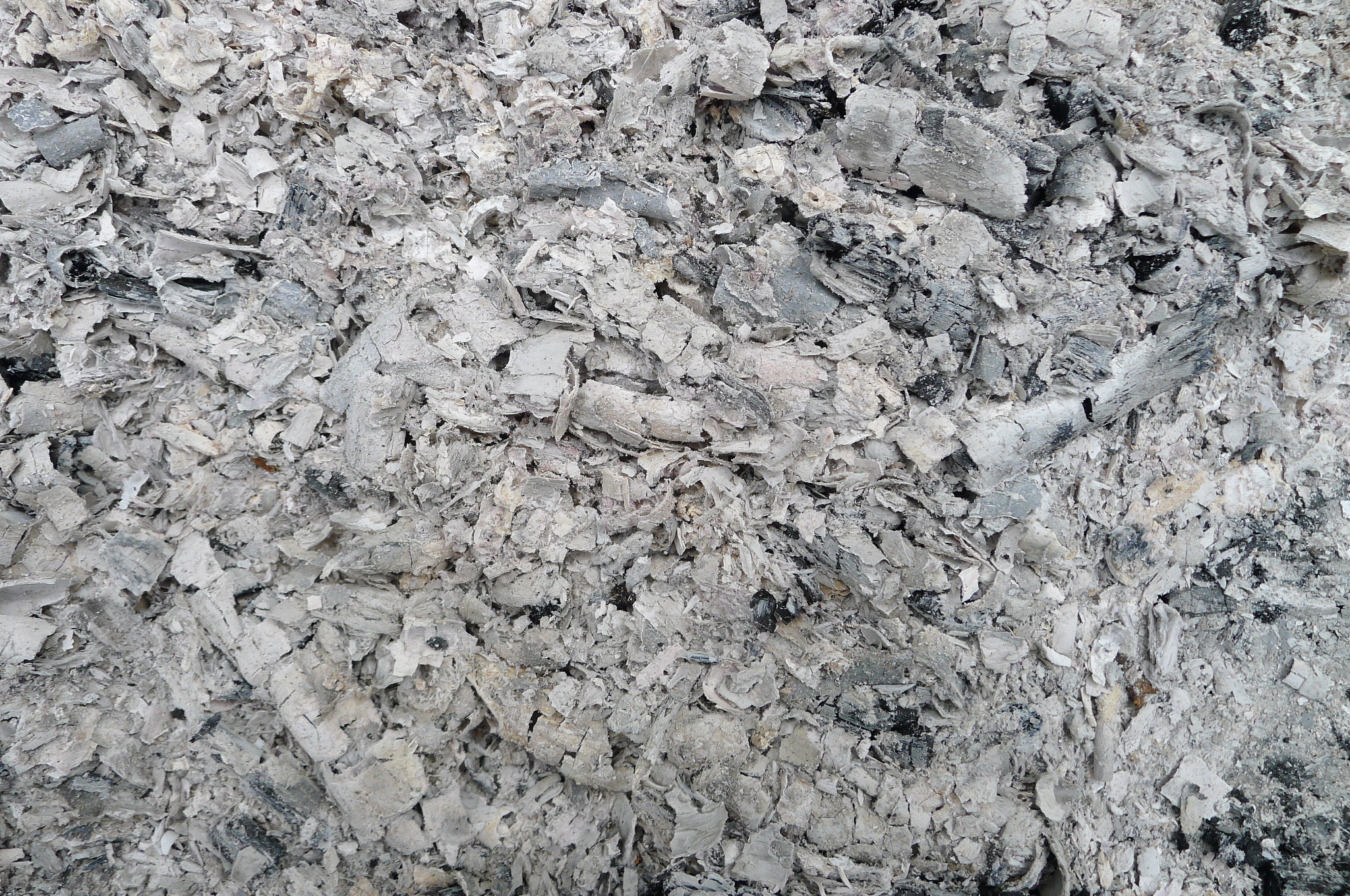
Ash is mostly a liming material, not a fertilizer. Schoessow puts its calcium content at 20% or more, with up to 5% potassium and up to 2% each of magnesium, phosphorus and sulfur, plus traces of iron, manganese, zinc and boron.
It has about half the acid-neutralizing power of garden lime. By Schoessow’s math, roughly four cups of wood ash can stand in for one pound of agricultural lime. UNH Extension puts the gap another way: ash runs 25% to 59% calcium carbonate equivalent, against 90% to 95% for lime, so it takes roughly two to four times as much ash to move pH as far.
Rosie Lerner, a retired Purdue Extension consumer horticulture specialist, describes it the same way in a Purdue Extension column. She writes that wood ash is about 25 percent calcium carbonate, contains less than 10 percent potash and about 1 percent phosphate, and has no nitrogen at all.
Lerner’s rule of thumb follows from that. Acidic soils likely benefit from ash, slightly acidic soils should not be harmed, and soils that are already neutral or alkaline should not get any.
How much a yard can take
The five-gallon-pail limit shows up across extension services. Bonnie Kirn Donahue, a University of Vermont Extension Master Gardener, gives the same 15 to 20 pounds per 1,000 square feet in her article on wood ashes in the home garden, and notes that one cord of wood produces about 20 pounds of ash.
In other words, a household burning a single cord this winter will make roughly the yearly maximum for a 1,000-square-foot plot.
Olivia Saunders, a field specialist with UNH Cooperative Extension, writes in the university’s guide to wood ash as a soil amendment that a 1,000-square-foot garden at pH 6.5 needs no more than about 20 pounds, mixed into the top 2 to 4 inches. For lawns, she lists 10 to 15 pounds per 1,000 square feet a year for maintenance.
Lerner warns about what happens when the bucket goes on the same bed year after year. Repeated heavy applications can make a garden unproductive, she writes, and the fix may be moving the garden or building raised beds with fresh topsoil.
Plants that should not get any
Acid-loving plants are the clearest no. Schoessow lists blueberries, azaleas and rhododendrons, birch, red maples and pin oaks, and says ash can contribute to chlorosis, the yellowing of leaves, in those plants.
Donahue gives the numbers behind it. Blueberries prefer a soil pH of 4.5 to 5.2, while most vegetable and berry crops do best at 6.5 to 6.8.
Potatoes are a special case. Schoessow writes that potatoes grown at higher pH are more prone to potato scab, and Lerner includes potatoes on her list of crops that should not get ash.
When and how to spread it
Winter is the time. Schoessow recommends spreading ash evenly in winter, preferably onto moist soil and never on a windy day, then working it into vegetable beds in early spring. UNH Extension’s printable version of the Saunders guide recommends fall application, with spring also acceptable, and says ash should make up no more than 5% of a compost pile’s ingredients by volume.
Sift it first to remove large chunks of charcoal and any live embers, Schoessow writes. Because ash is alkaline, he recommends long pants, long sleeves, gloves, goggles and a dust mask while spreading. Saunders adds that ash should be stored dry, away from buildings, and that it should not go on germinating seeds, since its salt content can hold them back.
Lerner points out that ash left out in the rain loses much of its nutrient value, so it is best kept covered until it is spread.
Ash to throw out instead
Not every bucket belongs in the garden. Schoessow says to skip ash from treated wood, waste oil, plastics or garbage, from wood of unknown origin, and from trees grown near industrial sites or on possibly contaminated soil. Donahue adds ash from pellet stoves and bonfires to that list.
Ash can carry trace amounts of heavy metals such as cadmium and lead, according to Schoessow, and the UW Soil and Forage Lab does not test for them. Saunders also warns never to mix ash with ammonium sulfate, urea or ammonium nitrate fertilizers, because the combination releases ammonia gas.
The common thread in all four guides is a soil test first. Gardeners who have not had one done can find timing advice in Clemson’s case for a fall soil test before lime goes down.
This article was produced with AI assistance and edited for accuracy against the sources linked above.
Image: Laurentius – CC BY-SA 3.0/Wikimedia Commons