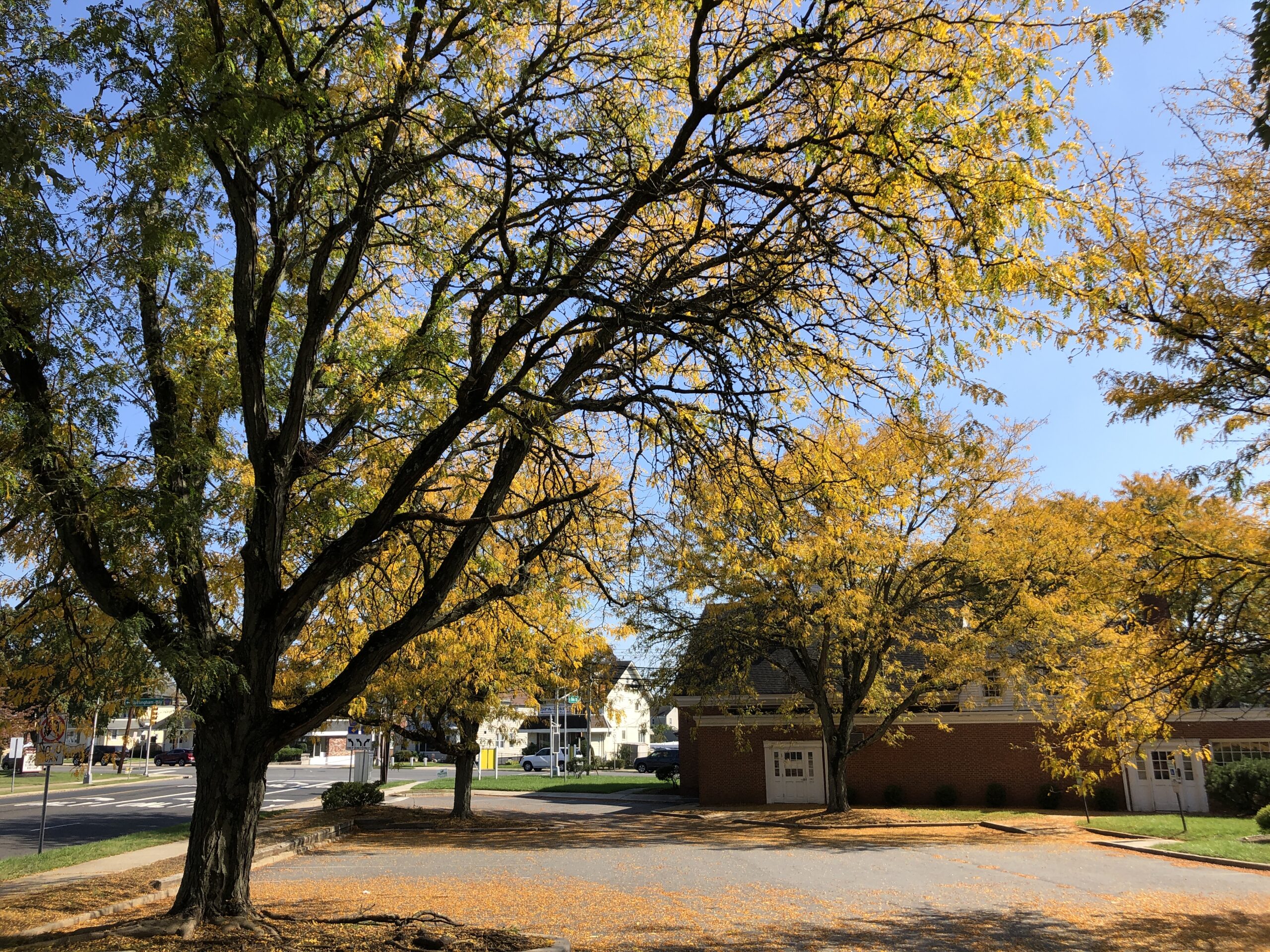
A Maine Judge Temporarily Stopped York From Cutting Down Its Village Honey Locust, a Tree Historian James Kences Says Is Over 70 Years Old
A Maine judge has ordered crews to stay away from the honey locust that stands at the center of York Village, and for now the tree is still standing. Justice James Martemucci of York County Superior Court issued a temporary restraining order on Monday, Nov. 2, the Portland Press Herald reported, days before the town planned to take the tree down for an intersection rebuild.
A hearing with oral arguments from the town and the resident who sued was set for Friday afternoon, Nov. 6. As of the latest reporting available, no ruling from that hearing had been published, so the restraining order is the most recent word from the court.
What the Order Says and When the Tree Was Due to Go
According to the Press Herald, the order bars crews from touching the honey locust during construction at the intersection. The tree had been scheduled for removal on Tuesday or Wednesday of that week. The paper’s headline calls the order an injunction, while the body of its story describes a temporary restraining order that remains pending ahead of oral arguments.
WGME also reported that a judge had temporarily blocked removal, leaving the tree standing for now. The station said town leaders maintain the tree needs to come down as part of the village revitalization project, while some residents see it as a welcoming landmark.
The Residents Who Went to Court
The Press Herald said resident Kiki Tidwell, a former member of the town’s climate action committee, filed suit on Oct. 27 and asked for the restraining order. Another resident, James Kences, filed a request for emergency intervention the day before the judge acted.
Tidwell argues that taking the tree out would violate a climate action plan voters approved in 2022 and that the removal was never properly disclosed. She also points to a state law protecting public shade trees, which she says allows removal only when a public road must be altered, and to a York land use ordinance that favors preserving natural landscapes. Her filing says the area could turn into a heat island without the tree, and that new plantings would take decades to provide comparable shade. She also contends that the town abused its discretion by not using tree-planting funds to keep or relocate the tree.
Why the Town Says the Locust Has to Go
The tree sits on a traffic island in York Village, where York Street meets Long Sands Road, beside the Soldiers’ Monument. WGME reported in October that the project will replace the three-way intersection with a T-shaped layout, with a hard stop at Long Sands Road and separate turn lanes at York Street. Town leaders told the station the monument next to the tree would be moved to a sidewalk 20 to 40 feet away.
Town Manager Peter Joseph said many alternatives were considered before the T-intersection was chosen. In its response to the lawsuit, as described by the Press Herald, the town says the removal is part of a project to alter the road and improve intersection safety, and that the plan includes planting new trees. Officials say voters approved the revitalization plan in 2015, including removal of the tree and the monument. Residents told the paper they do not remember that being a condition. At the Oct. 26 Select Board meeting, several residents said they did not recall the earlier vote and wanted a new one. Resident Lana Dufour-Kosacz told the board she had not known about the plan.
Reaction in the village has been mixed. Joseph told WGME that residents support fixing the intersection and reviving the village, while some oppose the plan and worry about losing the tree. Lisa York, a hairstylist at Esse Studio, described the locust to the station as beautiful and welcoming, lit with lights at Christmas and handsome with its foliage in fall. A separate concern raised in the same report was that the project will remove parking that elderly visitors and the six or seven businesses in one building rely on.
A Town Historian’s Petition and a $50,000 Idea
James Kences, York’s town historian, estimates the honey locust is more than 70 years old, according to an earlier Press Herald profile. The paper noted the tree is not native to Maine. Kences went six days without solid food to draw attention to it, and he collected petition signatures: he needed 100 to trigger a required public hearing and ballot question under town ordinance, and he gathered 124 by the Thursday deadline and 227 by that Monday’s Select Board meeting.
He also proposed carefully excavating the roots and relocating the tree. Joseph said that could cost about $50,000 and would take significant time. The project is paid for 10 percent locally, 10 percent by the state and 80 percent by the federal government, and the town already has a construction contract. Joseph said any change to that contract is not only the town’s choice to make, and the Press Herald reported that redesigning the project could add 18 to 24 months. The Select Board said its attorney was reviewing the legality of the petition, with discussion set to continue on Nov. 9. Petitions over village trees are turning up elsewhere too, including in Empire, Michigan, where residents gathered 264 signatures against cutting down maples on Lake Street.
North Carolina State Extension’s plant database lists the honey locust as native to central and eastern North America, which squares with the Press Herald’s note that it is not native to Maine. The database says a mature tree can reach 60 to 80 feet in height and width, tolerates salt, wind, drought and pollution, and is long lived. Its leaves turn cream or gold in fall.
What Happens After the Hearing
The restraining order is temporary, and the judge has not made a final decision on whether the town may remove the tree. Joseph did not respond to the Press Herald’s requests for comment on the lawsuit. Until the court rules, the honey locust stays where it is, and the Nov. 9 Select Board discussion is the next scheduled public step reported so far.
Get stories like this by email. Sign up for The Parent Diaries Letter.
This article was produced with AI assistance and edited for accuracy against the sources linked above.
Image: Famartin – CC BY-SA 4.0/Wikimedia Commons