Garlic, Onion Sets and Peas Can Go In During November on the South Carolina Coast, and Clemson Extension Says Unused Beds Need Winter Wheat or Crimson Clover
Garlic, onion sets and garden peas can still go into South Carolina coastal gardens in November, according to Clemson Extension’s November 2026 garden calendar, published Nov. 6 by the Home & Garden Information Center. The coastal section, written by Christiana Huss, lists the three crops as vegetables that can still be planted this month. The calendar’s Upstate section adds that unused garden beds can be covered with a winter cover crop such as winter wheat or crimson clover.
Three Crops on the Coastal November List
Huss’s section opens by saying vegetables can still be planted in November in the coastal region, then lists garlic, onion sets and garden peas. The Upstate and Midlands sections of the same calendar have different task lists, so the three-crop list belongs to the coast.
Clemson’s own planting tables show how tight the window is for one of them. The onion, leek, shallot and garlic fact sheet, revised by Barbara Smith and Joey Williamson and updated in January 2023, gives a coastal fall planting window for onion sets of Sept. 15 to Nov. 15. November onion sets are therefore planted in the last half of that window. The same table gives the Piedmont a fall window ending Oct. 15.
For garlic, the fact sheet says only to plant in the fall, early enough for full development, without a date range. Garden peas have a longer window on paper. The garden peas fact sheet, by Clemson Extension Master Gardener Frances Knight and Cory Tanner, lists coastal fall planting from Aug. 15 to Nov. 30.
Depth, Spacing and Mulch for Garlic, Onion Sets and Peas
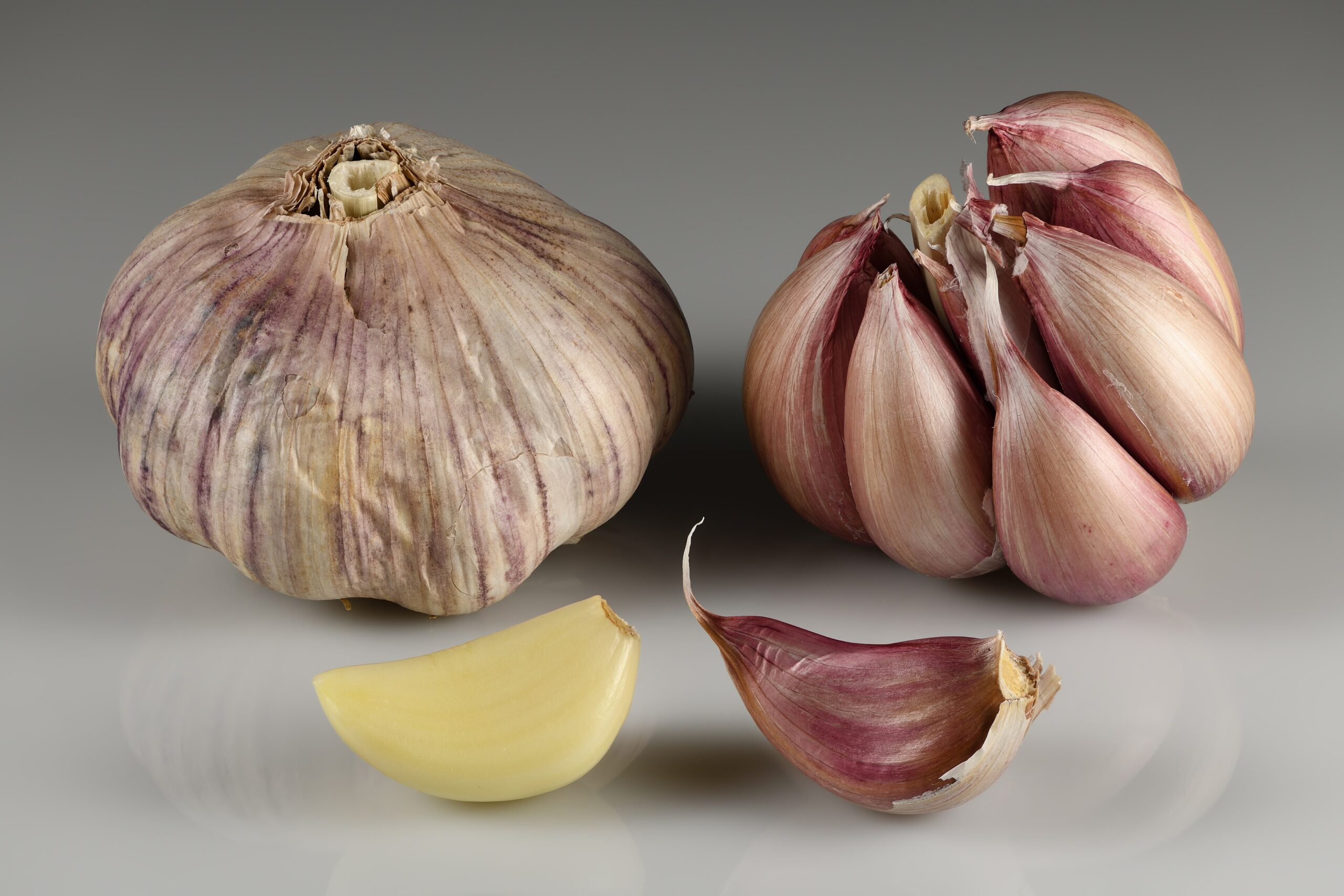
The onion fact sheet gives planting specifics. Onion sets go in 1.5 inches deep. For bulb onions they are spaced 3 inches apart, and for green onions 1 to 2 inches apart, in rows 1 to 2 feet apart. Garlic cloves go in about 1 inch deep, 3 to 5 inches apart, with the larger outer cloves recommended and 12 to 24 inches between rows.
For comparison, University of Vermont Extension’s advice, covered in this site’s November garlic depth and spacing story, puts cloves at least 2 inches deep and 4 to 8 inches apart. Garlic also gets a mulch in Clemson’s fact sheet: weed-free straw 4 to 6 inches deep in late fall. Without a soil test, the fact sheet suggests sidedressing garlic with 4 pounds of calcium nitrate per 1,000 square feet in mid-November, and it lists more feedings in January, February and March.
Peas are sown 1 to 1.5 inches deep and 1 to 2 inches apart, in rows 2 feet apart, according to the peas fact sheet. Even dwarf varieties need support for their tendrils, such as netting, a trellis, wires or pea brush, and supports go in before or right after planting to avoid disturbing roots.
The fact sheet names Alaska, Mr. Big, Maestro, Wando and Lincoln among English peas, Super Sugar Snap, Sugar Sprint and Early Snap among snap peas, and Snowbird, Oregon Sugar Pod II and Dwarf Gray Sugar among snow peas. Plants can handle frosts and light freezes, it says, although the blossoms cannot.
Winter Wheat and Crimson Clover for Beds Left Empty
The cover-crop line comes from the Upstate section, written by Samantha Brown. It says unused garden beds can be planted with a sustainable winter cover crop such as winter wheat or crimson clover.
Clemson’s cover crops fact sheet, by Debbie Shaughnessy and Robert Polomski and revised by LayLa Burgess and Cory Tanner in 2017, gives the details. Winter wheat is seeded at 1.5 to 4 pounds per 1,000 square feet, with planting dates of September to mid-November. It overwinters in South Carolina and is less weedy and easier to kill than barley or rye.
Crimson clover is seeded at one-half to two-thirds of a pound per 1,000 square feet and fixes nitrogen, about 2 to 3 pounds per 100 square feet per year, according to the fact sheet. Its listed planting dates are August to October, so a November sowing falls after that window. The sheet also says clover is not reliably hardy and will reseed if it is not killed.
The USDA Natural Resources Conservation Service explains the broader case in its cover crops overview for small farms and gardens, dated March 2024. Cover crops shield soil from the impact of raindrops and irrigation water, the document says, and legumes can typically supply most or all of the next crop’s nitrogen when they are terminated in early bloom.
HGTV’s list of fall cover crops, summarized in this site’s rye grass and crimson clover story, makes the same weed and erosion argument for bare winter soil. Clemson’s general guidance is to end cover crops at flowering and till them under about three weeks to a month before planting the next vegetable crop so the residue can break down.
What Clemson’s October Calendar Said About the Same Crops
Clemson’s October 2026 calendar shows the regional split. Its coastal section, by Beaufort County agent Glen Payne, did not mention garlic, onions, peas or cover crops. It focused on fall greens such as collards, kale, spinach and lettuce mixes, and noted that the Lowcountry was in a summer drought, so new plantings needed watering to root in.
The Midlands section, by Darlington County agent Carmen Ketron, told gardeners to plant garlic, onions and shallots, choosing softneck garlic and short-day onions for South Carolina’s mild winters. It also said beds should not sit bare over winter, and suggested a crimson clover and winter wheat mix or a cover of mulch or shredded leaves.
In the Upstate, HGIC agent Ginger Long advised planting garlic and onion plants before the middle of October and garden peas through the end of the month.
This article was produced with AI assistance and edited for accuracy against the sources linked above.
Image: Ivar Leidus – CC BY-SA 4.0/Wikimedia Commons