Delaware Lets Homeowners Burn Up to 27 Cubic Feet of Branches From Oct. 1 to April 30, but DNREC Says Raked Leaves Can Never Go in the Fire
Branch burning in Delaware runs on two clocks: a season that opened Oct. 1 and closes April 30, and a daily window that lasts from 8 a.m. to 4 p.m. Inside both, a homeowner may burn cut or fallen branches, limbs or shrubbery from their own property, up to 27 cubic feet at one time. According to the state’s Department of Natural Resources and Environmental Control, leaves are a different matter and may never be burned.
The rules are spelled out on DNREC’s own pages and repeated by local governments across the state. For anyone with a pile of yard debris after fall cleanup, they decide what can go on the fire and what has to go somewhere else.
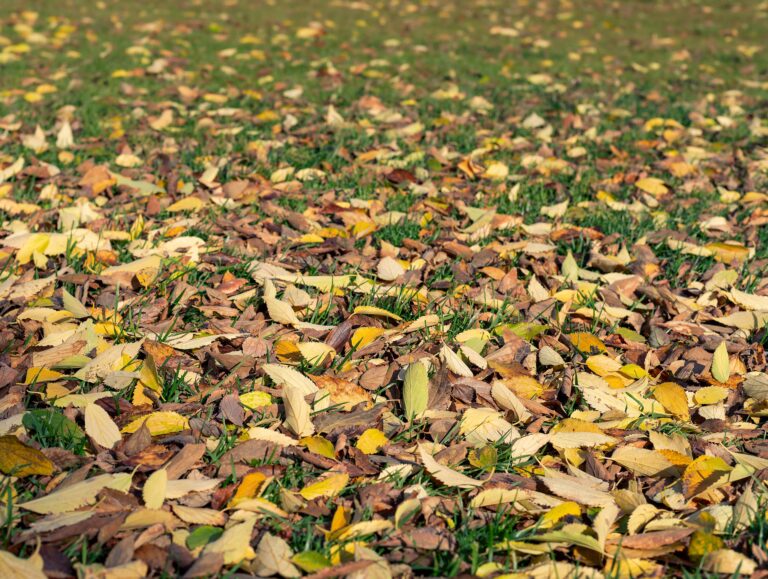
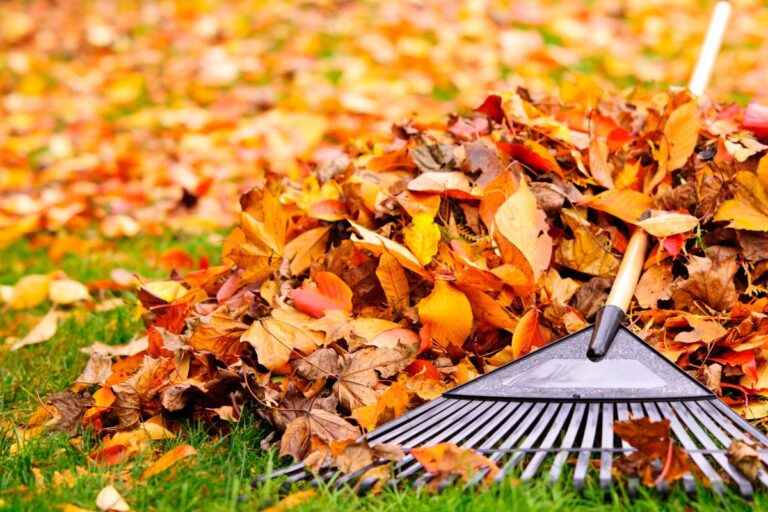
Branches Yes, Leaves Never
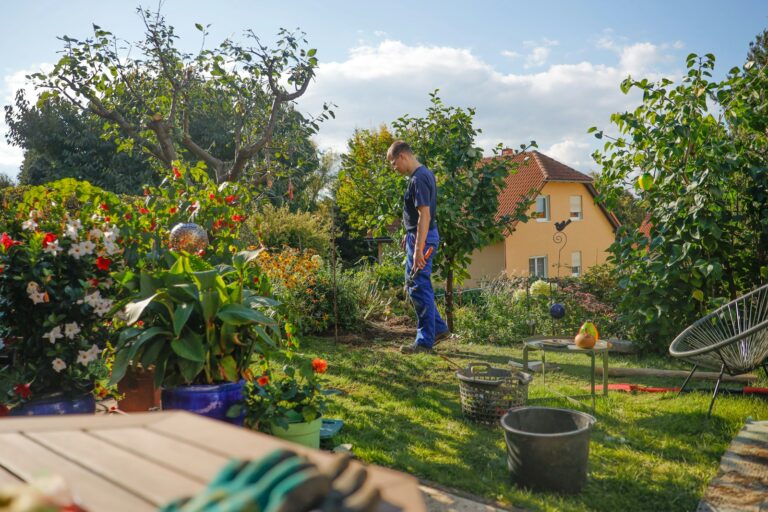
DNREC’s residential open burning page lists what may be burned: cut or fallen branches, limbs or shrubbery from the resident’s own property, capped at 27 cubic feet at one time. Burning is allowed only for residents of a private dwelling with no commercial or industrial activity, and the fire should be built as far as practicable from adjacent property.
The same page lists what may never be burned: leaves, grass clippings and garbage or trash. Branches or brush that did not come from the home’s own property are also off the list, as is land-clearing material.
In DNREC’s question-and-answer page, the agency says burning leaves has been prohibited statewide since 1995. A 2023 DNREC news release uses even stronger wording, saying burning grass clippings and leaves is illegal at all times in Delaware.
The Delaware News Journal, in an October 2025 explainer by Esteban Parra citing DNREC, compared the 27-cubic-foot limit to roughly the volume of a bathtub. The town of Ocean View’s open burning page offers another way to picture it, describing a fire a person could put out with a garden hose.
The DNREC news release adds that more material may be added as the fire burns down, so the limit applies to what is burning at one time, not the total over a day. It also says fires must be monitored until they are fully extinguished.
Other materials are banned outright. The release lists trash, garbage, tires, construction waste, paper, cardboard, plastic, furniture, fabric and mattresses, and Ocean View’s page adds stumps, logs and waste lumber.
The Season Opens Oct. 1, the Clock Runs 8 to 4
Branch burning is tied to the calendar because of ozone. DNREC’s page says residential burning is banned during Ozone Season, May 1 to Sept. 30, and that it “must wait until October 1.” The yard waste season then runs through April 30, and burning is allowed only between 8 a.m. and 4 p.m.
Recreational fires follow different rules. According to DNREC, cooking fires of up to 10 cubic feet, campfires and ceremonial fires of up to 27 cubic feet, patio fire pits and chimeneas are allowed year-round at any time of day. The town of Woodside’s guidelines list the same size limits.
Notice First, and Days When No Fire Is Allowed
Before a residential yard-waste burn, DNREC says to notify local fire control authorities. Cooking fires, campfires, patio fire pits and ceremonial fires are exempt from the notification requirement. The sources do not agree on which office takes the call: Ocean View’s page names the county fire board and lists a number for each county, while the News Journal listed State Fire Marshal’s Office numbers. Anyone planning a burn can confirm the right office before lighting.
A permitted burn can still be called off by conditions. All open burning is prohibited on Air Quality Action Days, when the forecast is Code Orange or Code Red, and that includes previously approved burns and otherwise allowed recreational fires. The State Fire Marshal can ban burning in a single county or statewide, and a red flag warning from the National Weather Service also prohibits it.
Ocean View’s page notes that residents can check air quality forecasts online or by phone at 1-800-872-7261.
Fines of $100 to $500 and a Possible Record
DNREC says violations carry fines of $100 to $500, and a conviction may result in a criminal record. The agency’s question-and-answer page says trash burning is illegal and that violators are targeted by DNREC’s Environmental Protection Officers. Illegal burning can be reported to the 24-hour Environmental Complaint Hotline at 1-800-662-8802.
The 2023 news release quotes DNREC Division of Community Affairs Director Matt Ritter, who said there are restrictions on what can be burned and how much can be burned at a time during the yard waste season.
Where the Leaves Go Instead
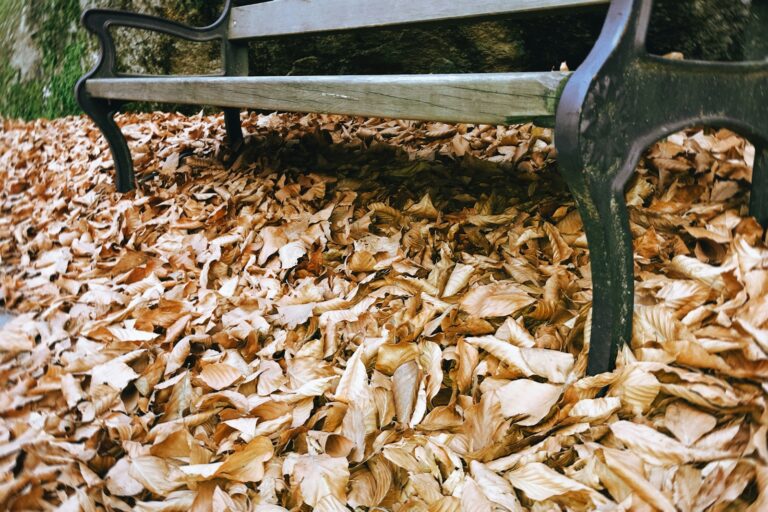
DNREC’s alternatives for leaves are plain. The question-and-answer page says most organic material, including leaves, grass clippings and vegetables, can be composted for garden nutrients, and that homeowners who cannot compost leaves can ask the community’s waste hauler or town manager about leaf collection. The news release suggests chipping or shredding limbs and branches into mulch and using curbside or drop-off yard waste sites.
For a garden, the leaves are worth keeping. Earlier stories on this site cover how fall leaves shredded with a mower make free winter mulch and other ways to use leaves instead of throwing them out. In Ohio, a different set of rules applies: that state’s daytime burn ban covers October and November.
Get stories like this by email. Sign up for The Parent Diaries Letter.
This article was produced with AI assistance and edited for accuracy against the sources linked above.
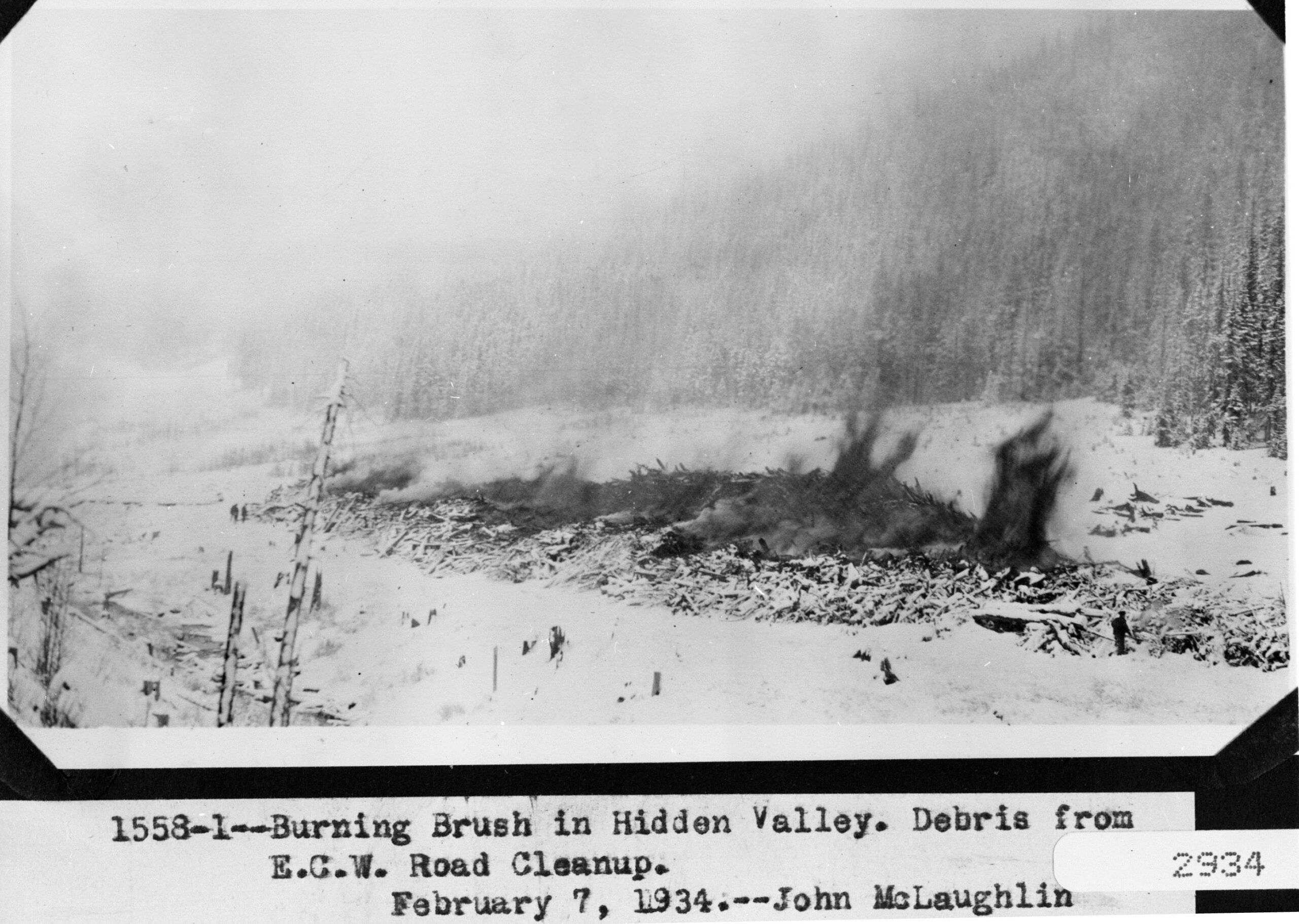
Image: Rocky Mountain National Park, public domain, via Wikimedia Commons