Washington’s Supreme Court Will Hear Nathan Rimmer’s Fight With Edmonds Over the Two Replacement Trees the City Demanded for One Small Dogwood on His Lot
A single ornamental dogwood on a vacant Edmonds lot is headed to the highest court in Washington. The Washington Supreme Court granted review on Nov. 6 in Nathan Rimmer’s case against the City of Edmonds, which demanded two replacement trees and a permanently protected planting area before it would decide on his permit to build a family home, according to the Pacific Legal Foundation, which represents him for free.
Rimmer won at trial in 2024, but a state appeals panel threw the case out as moot this spring. The Supreme Court will now take up a fight that has outlasted the tree itself.
One Dogwood, Two Trees and a Line on the Title
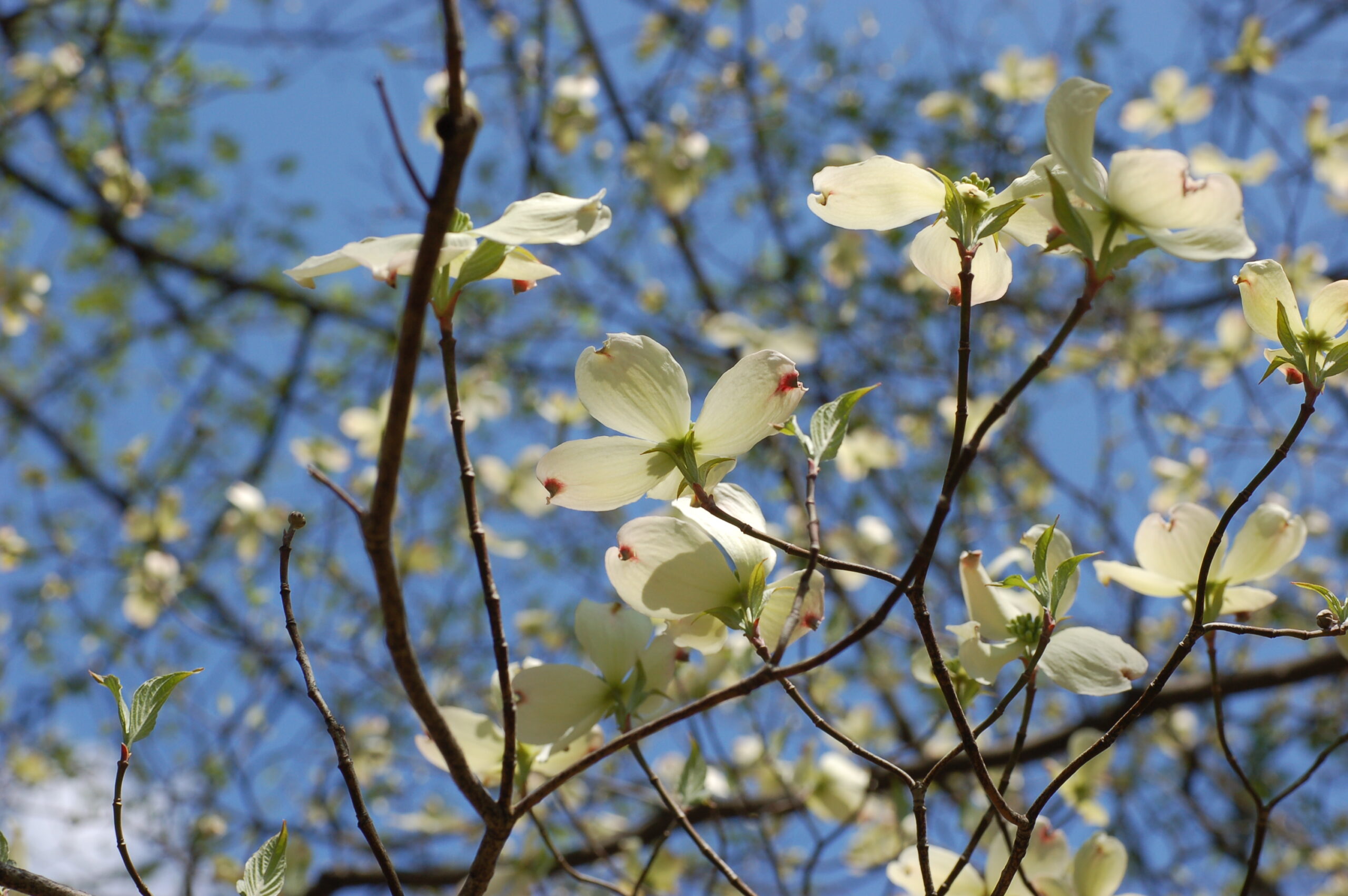
Rimmer, a real estate professional who has worked with land-use rules in the Seattle area for about 20 years, applied for a building permit in early 2022, according to the foundation. A small ornamental dogwood planted by a former owner stood in the middle of the lot, right where the house would go. The Everett Herald described it as roughly 10 feet tall, on a 0.2-acre lot on Cedar Street.
Under the city’s tree ordinance, adopted about a year before he bought the lot, no tree could come out without approval and replacement. Edmonds said the dogwood was worth two replacement trees. Before ruling on the permit, it wanted Rimmer to plant them, set aside a conservation area to protect them forever and record those terms on his property title, the foundation says. Where replacement isn’t possible, the ordinance requires the owner to pay $1,000 per tree.
Rimmer objected and asked the city to justify the two-for-one ratio and explain why it needed a claim on his title for a replacement tree. He resubmitted his permit five more times, the Herald reported. He told the paper he wanted to put a trampoline for his daughter in the spot where the replacement trees were supposed to go.
A Win at Trial, Then a Dismissal
Rimmer sued in July 2023, just before his permit application was set to expire. In January 2024, Snohomish County Superior Court Judge George Appel ruled that the city had violated his constitutional property rights. In December 2024, the court found the city liable for damages, with the amount to be decided after the city’s appeal. A December order held that the city may not condition a building permit on an owner planting trees he doesn’t want on his land, according to a foundation press release.
The foundation’s argument rests on two U.S. Supreme Court cases. Nollan v. California Coastal Commission requires permit conditions to relate to the harm a project causes, and Dolan v. City of Tigard adds that a demand must be roughly proportional to that harm.
Meanwhile, the facts on the ground changed. The city issued the permit in April 2024, Rimmer sold the property the next month, and the new owner built a home without replacing the tree, the Herald reported in April 2026. In October 2025, the city amended its tree code and dropped the title notice requirement. My Edmonds News reported that the council kept mandatory tree replacement in the amended code and debated raising the replacement fee.
On March 16, 2026, a Court of Appeals panel dismissed the case as moot. Because the permit had been issued and the code updated, the panel said it could no longer give either side effective relief, so the city no longer owed damages. City Attorney Jeff Taraday told the Herald he “firmly believe[s] the City’s tree replacement requirement is a legally sound regulation.” Mayor Mike Rosen said the city is committed to examining and improving its processes while keeping its actions clear and fair.
Readers who follow these fights may recall Oakland’s $915,135 fine against a couple who cut 38 protected trees and the North Portland vigil for a century-old redwood slated to come down for new homes.
What the Supreme Court Has Agreed to Review
Rimmer’s attorney, Brian Hodges of the Pacific Legal Foundation, asked the appeals court to reconsider. He argued that the state’s Land Use Petition Act, which the panel said Rimmer should have used to seek damages, doesn’t cover unconstitutional acts taken while a permit is still being decided. He also argued that the city had appealed only the permit order, not the finding that it owed damages, the Herald reported. The city answered that issuing the permit without the challenged conditions made the damages claim moot.
The appeals court denied reconsideration in May, the Herald reported on May 11. Hodges said the decision “leaves an important question unresolved” and that he would take the case to the state Supreme Court.
That is the case the justices agreed to take on Nov. 6, according to the foundation’s case timeline. The Center Square reported on Nov. 13 that the court had agreed to consider the dispute and that proceedings may take place in March. Hodges argues that required replacement trees, permanent protection areas and recorded property restrictions raise constitutional problems, the outlet said.
The Housing-Cost Argument Behind the Case
The foundation has framed the case as a housing-cost fight as much as a tree fight. Its case page cites a National Association of Home Builders estimate that a $1,000 fee can raise home prices enough to push more than 217,000 potential buyers out of the market nationwide.
For homeowners, the practical question is what a city can demand in exchange for removing a tree on private land, and whether an owner can recover damages when a city attaches conditions a court later finds unconstitutional. On the Cedar Street lot itself, the dogwood is already gone and a house now stands.
This article was produced with AI assistance and edited for accuracy against the sources linked above.
Image: Photo by and (c)2007 Derek Ramsey (Ram-Man) – CC BY-SA 2.5/Wikimedia Commons