Franklin Tree, Arrowwood Viburnum and Little Bluestem Get Extra Months of Root Growth When Planted in November, Clemson’s Jennifer Weaver Says
November is not too late to put native shrubs, grasses and small trees in the ground in the Southeast. In Clemson Cooperative Extension’s November 2026 gardening calendar, Midlands agent Jennifer Weaver points to Franklin tree, arrowwood viburnum and little bluestem as natives worth planting now, because roots keep growing while the soil is still moist and mild.
The advice sits under a heading on fall planting and wildlife habitat. It is aimed at South Carolina’s Midlands region, though the same logic carries into much of the mid-South.
Why Roots Do Better With a Fall Start
Weaver’s note in the Clemson Home and Garden Information Center’s November 2026 page is short: fall planting gives plants a few extra months of moisture and moderate temperatures for root growth. Top growth slows as leaves drop, so the plant puts its energy below ground until spring.
The same page lists mountain doghobble alongside the other three natives and notes that many native plants offer strong fall color, plus flowers and fruit in other seasons. Plants chosen this way also serve as habitat for wildlife, the reason the calendar groups them together.
Clemson’s own shrub guidance backs the timing. Its viburnum factsheet calls fall the preferred planting time for viburnums in the Southeast. Nurseries often stock them at spring bloom time instead, and container plants set out then need extra watering through the summer heat.
Franklin Tree: Late Flowers on a Small Tree
According to the Clemson calendar, Franklin tree (Franklinia alatamaha) is a small specimen tree with white, camellia-like flowers that are fragrant and appear in late August and continue into October.
The North Carolina State Extension Gardener Plant Toolbox lists it at roughly 10 to 25 feet tall and 6 to 15 feet wide, hardy in USDA zones 5a through 8b. It wants full sun with some afternoon shade in summer, and acidic, organically rich, moist, well-drained soil.
The same page carries a warning. The sparse, fibrous root system makes the tree hard to transplant, so the planting site deserves some thought before the hole is dug. It does not tolerate drought well, struggles in urban conditions, and can suffer wilt and root rot. In heavy clay, the toolbox suggests considering a raised bed.
Arrowwood Viburnum: Tough, Wide and Good for Birds
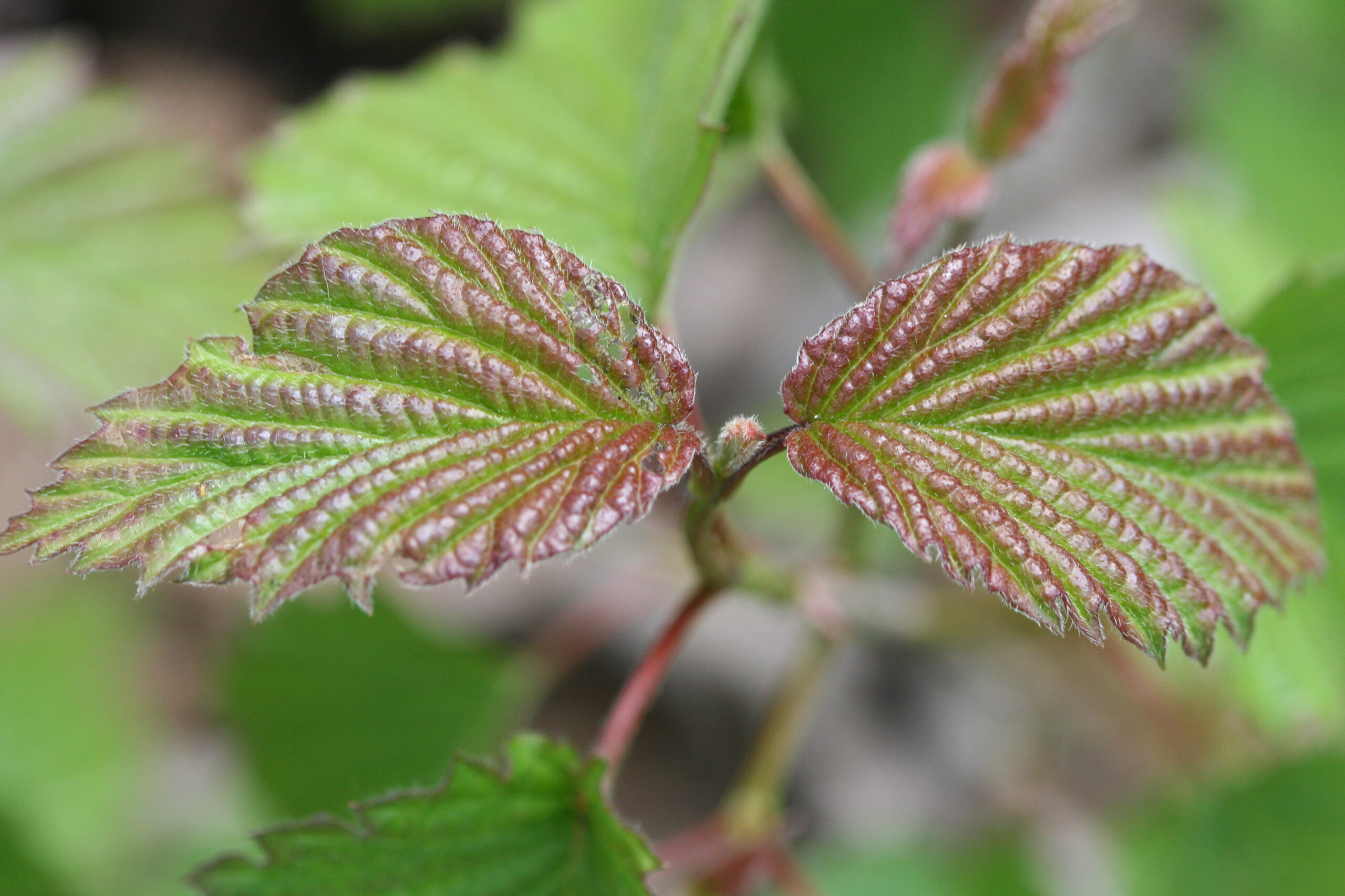
Arrowwood viburnum (Viburnum dentatum) is the shrub on Weaver’s list with the widest tolerance. Clemson’s factsheet says it handles high-pH soils, heavy clay and heavy shade, though it prefers well-drained ground. It grows 6 to 15 feet tall and about as wide in Clemson’s description, so spacing of at least 4 to 10 feet apart is suggested, depending on the cultivar.
For the planting bed, the factsheet recommends working organic soil conditioner into the area so the root zone holds about 10 to 20 percent organic matter, then mulching with 4 to 6 inches of pine straw or 2 to 3 inches of bark. Once established, viburnums need relatively little care beyond a deep soak during long dry spells.
North Carolina State’s plant page for the species gives a hardiness range of zones 2a through 8b and says songbirds, grouse, wild turkeys and squirrels eat the small blue-black fruit. It also provides nectar for pollinators. Fruit set is better when more than one genetic strain is planted nearby.
Little Bluestem: A Clump Grass for the Sunny Spot
Little bluestem (Schizachyrium scoparium) is the grass on the list. North Carolina State’s toolbox entry describes clumps about 2 to 4 feet tall and 1.5 to 3 feet wide, hardy in zones 3a through 9b, needing full sun of at least six hours a day.
It tolerates clay, loam, sand and shallow rocky soil, prefers good drainage, and is quite drought tolerant once established. The leaves turn orange-yellow in fall, and purplish-bronze seed heads carry interest into winter. Songbirds and small mammals eat the seeds, and the plant serves as a larval host for skipper butterflies and the common wood-nymph.
Setting the Plants In Without Burying the Roots
Clemson’s factsheet on planting trees correctly says container-grown plants can go in at any time of year, but fall is best because roots keep growing through the warm fall and winter while the tops are dormant.
The hole should not be deeper than the root ball, and the topmost roots belong level with the soil surface. In well-drained soil the factsheet suggests a hole at least twice as wide as the root ball and preferably five times wider. In poorly drained or compacted soil, the plant sits about 2 to 4 inches higher than the surrounding ground, with soil built up beside the root ball.
A 2- to 4-inch layer of organic mulch goes over the planted area, kept off the trunk because mulch touching the stem can cause stem rot. For the first few months the root ball should stay consistently moist but not saturated.
Keeping New Plantings Watered Through Fall
Fall planting still asks for some water. The Clemson calendar advises watering landscape plants and lawns during dry spells, including the roots and crowns of turf. Containers need attention too, since they dry out even when the weather is cool.
The same Midlands section suggests other fall jobs for the beds: anemone, wood hyacinth, crocus and daffodil bulbs can go in this fall, and seed of butterfly weed, purple coneflower and black-eyed Susan can be sown directly in the ground. Lovely Garden Roots covered that approach in an earlier piece on fall-sown coneflower and butterfly weed.
Plant tags and local nurseries are the best check on which of the four natives suit a particular yard. Franklin tree is the fussiest, arrowwood viburnum the most forgiving, and little bluestem the one that asks only for sun and drainage. For specific questions, Clemson’s Home and Garden Information Center lists an email address and phone lines.
This article was produced with AI assistance and edited for accuracy against the sources linked above.
Image: R. A. Nonenmacher – CC BY-SA 4.0/Wikimedia Commons