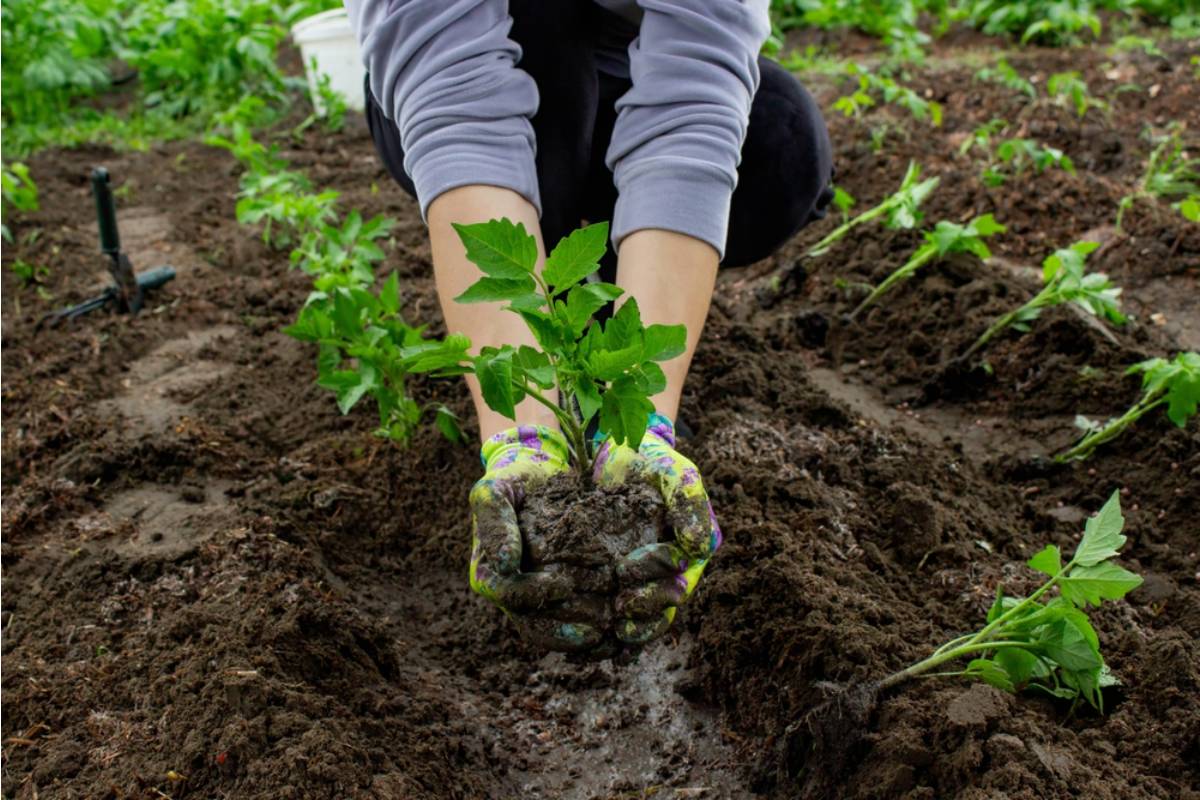
Gardener Says She’s Been Growing a Full Row of Tomatoes Specifically to Teach Her Grandchildren Where Food Comes From, Then a Neighbor’s Weekend Guests Trampled the Entire Row During a Party
My grandchildren have grown up in a world where groceries seem to appear from store shelves without much thought about how they get there. A few years ago, I decided to change that by planting a long row of tomatoes just for them.
Every spring they helped press tiny seedlings into the soil, learned how to water carefully, and celebrated every new flower that appeared. By late summer they proudly carried baskets of tomatoes into my kitchen, convinced they had grown dinner with their own hands. Those afternoons became one of our family’s favorite traditions until one neighborhood celebration changed everything.
The Garden Became an Outdoor Classroom
Every Saturday the children arrived wearing old sneakers and oversized gardening gloves. I taught them how to recognize healthy leaves, remove small weeds, and gently tie growing stems to wooden stakes. Instead of rushing through chores, we turned every task into a lesson.
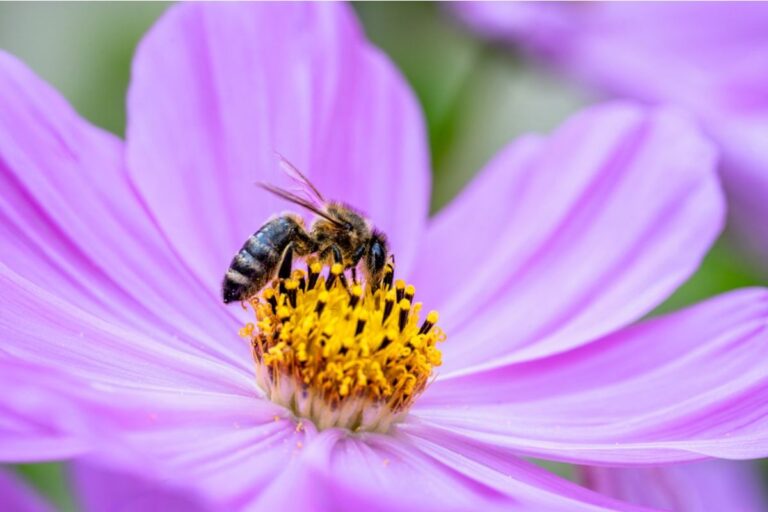
They asked endless questions that made me smile. Why were some tomatoes green while others turned red? Why did bees visit the flowers? Watching their curiosity grow was just as rewarding as watching the plants themselves.
Every Child Claimed a Favorite Plant
To keep them interested, I let each grandchild choose one tomato plant to care for throughout the season. They decorated small wooden markers with paint and proudly placed them beside their chosen plants. Every visit began with checking “their” tomato before doing anything else.
Soon they started comparing whose plant grew the tallest or produced the first fruit. The competition stayed friendly because everyone knew we would harvest together in the end.
A New Neighbor Loved Entertaining
The family next door moved in during early spring. They introduced themselves warmly and mentioned they enjoyed hosting backyard gatherings for friends and relatives. I welcomed them to the neighborhood and even shared extra vegetable seedlings they could plant if they wished.
At first everything seemed wonderful. Their guests were cheerful, and the occasional weekend barbecue never bothered anyone. The neighborhood felt lively without becoming disruptive.
The Backyard Parties Grew Larger
As summer progressed, each gathering became noticeably bigger. More folding tables appeared, children played games across the lawn, and music carried farther than before. While the noise was occasionally louder than I preferred, I reminded myself that everyone deserves to enjoy their home.
My only concern was the narrow side yard separating our properties. Guests frequently walked through it instead of using the driveway, even though it was never intended as a shared pathway.
A Friendly Request Seemed Enough
One weekend I politely mentioned the situation to my neighbor. I explained that my tomato garden sat just beyond the side yard and worried that someone unfamiliar with the property might accidentally wander too close.
She apologized immediately and promised to remind future guests to stay on her side of the fence. Her response sounded sincere, and I believed the issue had been resolved.
The Morning Everything Changed
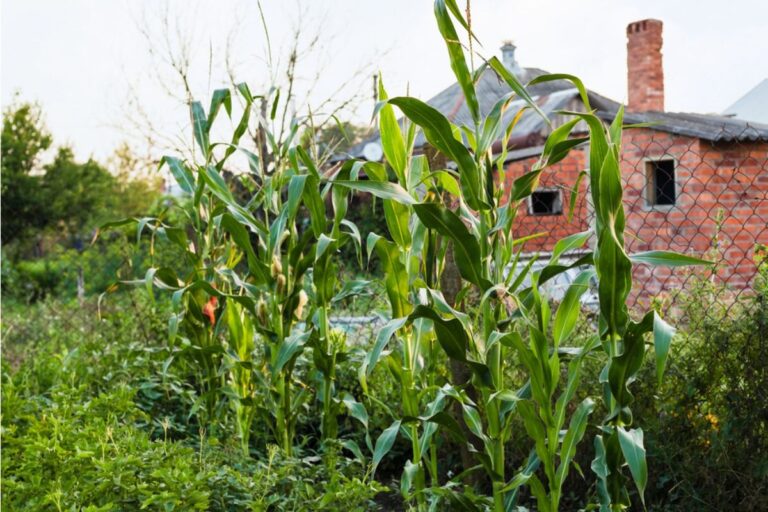
The following month my grandchildren planned to visit for our first major harvest of the season. I woke early, excited to surprise them with baskets waiting beside the garden. Before making coffee, I looked out the kitchen window toward the tomato row.
My heart sank instantly. Wooden stakes leaned at odd angles, leaves covered the ground, and several plants lay completely flattened. Something had gone terribly wrong overnight.
The Damage Was Worse Up Close
When I hurried outside, the full extent of the destruction became clear. Nearly every plant had broken stems or crushed branches. Green tomatoes that had taken months to grow were scattered across the soil, split open beneath muddy footprints.
It looked as though several people had walked directly through the garden instead of around it. There was no sign of disease or animals. This was unmistakably the result of careless human feet.
Security Footage Filled in the Missing Pieces
My grandson had helped me install a simple backyard camera the previous winter after packages disappeared from nearby porches. I reviewed the footage hoping it might explain what happened.
Late the previous evening, several teenagers attending the neighbor’s party wandered into the side yard while laughing and chasing one another. One person stumbled into the garden, and the rest followed without paying attention to where they were stepping. Within moments the entire tomato row had been trampled.
A Difficult Conversation Followed
I carried my tablet next door and showed the footage to my neighbor. Her expression changed from confusion to disbelief as she watched the video. She recognized several guests immediately because they were relatives visiting from another state.
She apologized repeatedly and admitted she had no idea anyone had entered my yard. I appreciated her concern, but I also knew the garden could not simply be restored overnight.
The Hardest Part Was Telling the Children
Breaking the news to my grandchildren proved far more difficult than speaking with the neighbor. They arrived carrying little baskets they had decorated themselves, expecting to gather ripe tomatoes together. Instead, they found broken plants and empty spaces.
The youngest quietly asked if the tomatoes would grow back before school started again. I struggled to answer because I knew most of the season had already been lost. Seeing their disappointment hurt more than losing the vegetables.
An Unexpected Idea From the Oldest Grandchild
While we cleaned broken branches, my oldest granddaughter suggested saving every healthy tomato we could still find. She said we could make salsa with the ripe ones and use the green tomatoes for pickling. Her optimism changed everyone’s mood.
Instead of leaving in tears, the children carefully sorted damaged fruit from usable harvests. They refused to let the entire season be remembered only for what had gone wrong.
The Neighbor Returned With Unexpected Help
The following weekend my neighbor came over carrying gardening gloves instead of apologies. Several members of her family joined her, including two teenagers who had accidentally stepped through the garden. They admitted they had not realized they had crossed onto another property until seeing the security footage.
Together we removed broken plants, repaired damaged supports, and prepared the soil for late season vegetables. Watching those teenagers work quietly without being asked spoke louder than any apology could have.
A New Tradition Began From the Setback
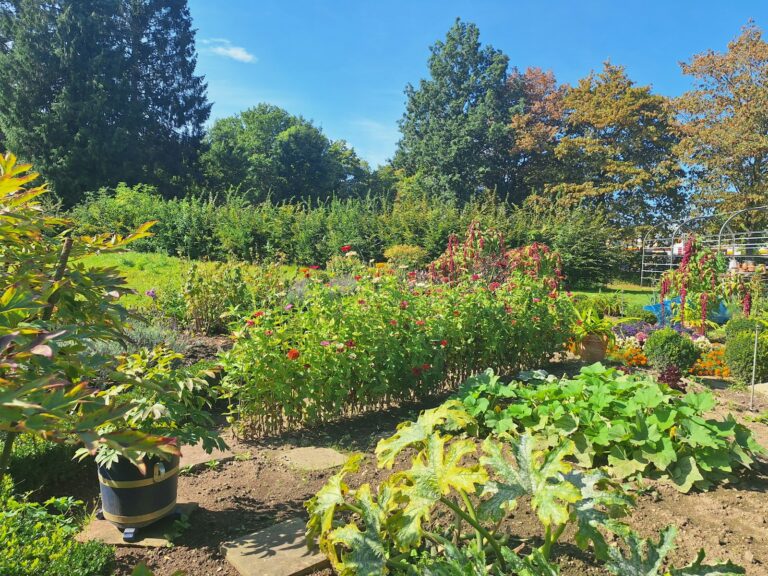
Although the tomato harvest never recovered completely that year, we planted fast growing vegetables the children could still enjoy before autumn. Radishes, lettuce, spinach, and beans soon filled the empty spaces where crushed tomato plants had once stood.
The grandchildren discovered that gardening was not only about perfect harvests. Sometimes it meant adapting when nature or unexpected accidents changed the plan. That lesson turned out to be just as valuable as learning where tomatoes come from.
The Garden Continued Teaching Everyone
The following spring we planted an even longer row of tomatoes than before. This time the neighbor surprised us by helping install a decorative fence around the garden, complete with a small gate painted by my grandchildren. During her next backyard gathering, she personally reminded every guest to respect neighboring yards before the party even began.
Looking back, the trampled garden felt like the end of an important family tradition, but it became something else entirely. It taught my grandchildren about responsibility, forgiveness, and the effort required to rebuild after disappointment. Years from now they may not remember exactly how many tomatoes we harvested, but they will remember that even after something precious was destroyed, good neighbors, honest apologies, and willing hands helped grow something meaningful in its place.