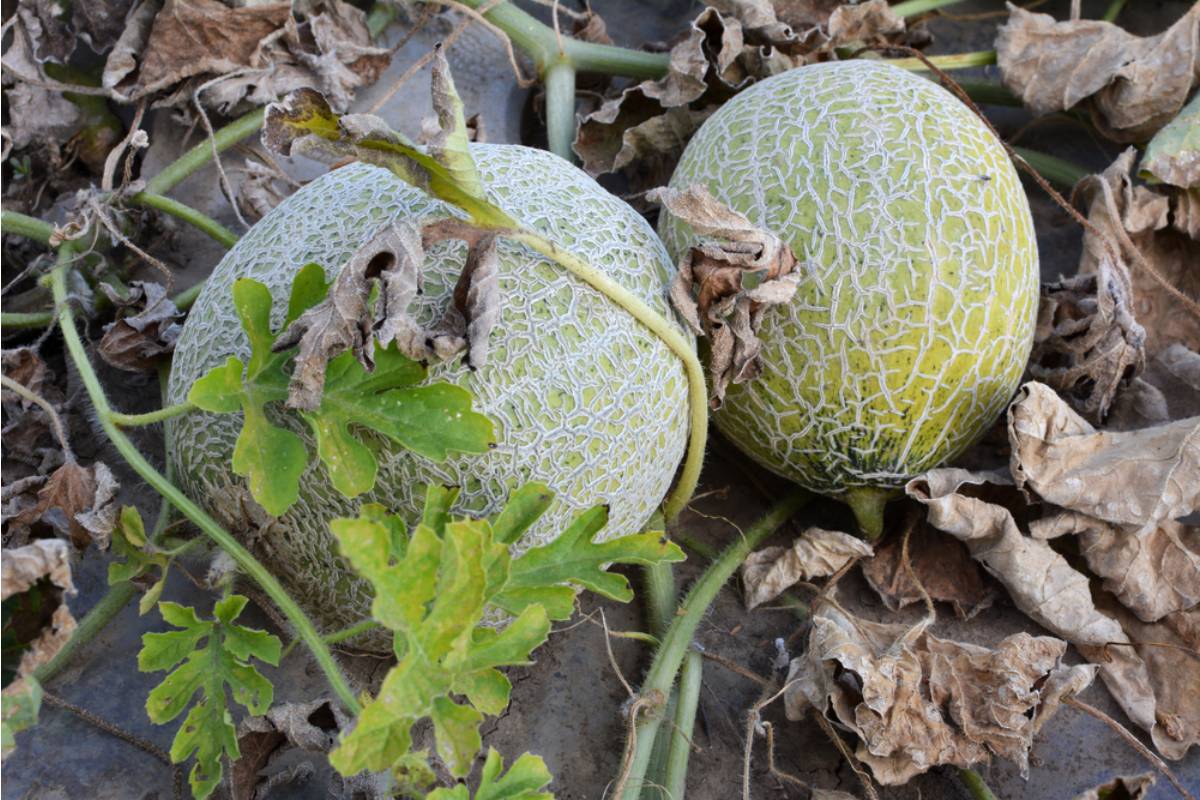
Some Home Gardeners Are Growing Their Own Pepino Melons on Trellises in Containers, And Most People Have Never Even Seen One at a Grocery Store
I always enjoyed growing vegetables that people recognized, but eventually I wanted something different. After reading about an unusual fruit that looked like a striped melon but tasted somewhere between a pear and a cantaloupe, I decided to grow it in a large container on my patio.
Most of my neighbors had never heard of it, and even friends who loved gardening thought I had made the name up. I figured it would simply become another interesting conversation piece. I had no idea the plant would end up attracting attention from nearly everyone who walked past my yard.
A Small Plant Sparked Big Questions
When I brought the young plant home from a specialty nursery, it looked surprisingly ordinary. I trained its stems onto a sturdy trellis beside my tomatoes, expecting it to blend into the rest of the garden. Within a few weeks, visitors started asking what it was because its leaves did not resemble anything they recognized. Every answer led to more questions, and nobody believed it could eventually produce edible fruit. One neighbor laughed and said it looked like a tomato that had lost its way.
The First Blossoms Drew Curious Visitors
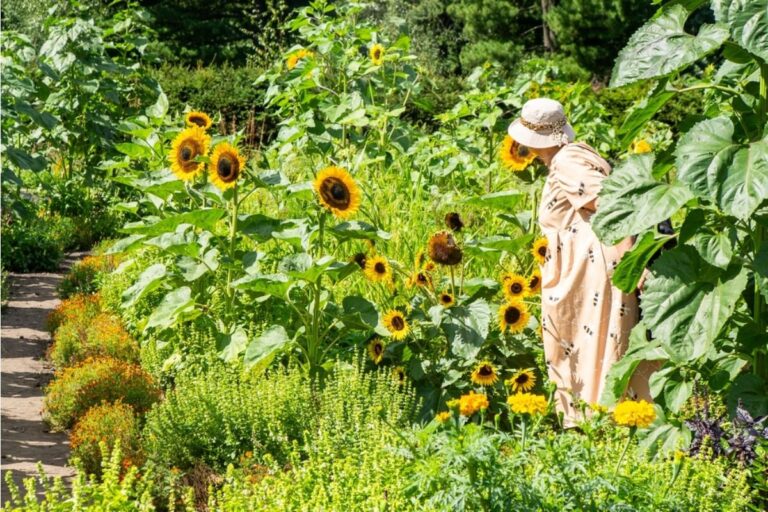
Bright flowers soon appeared along the vines, making the container stand out even more. Children walking home from school stopped at the sidewalk and pointed through the fence, trying to guess what would grow there. One elderly neighbor insisted it had to be some kind of eggplant because of the flowers. I smiled and told everyone to come back later in the season. Their curiosity only seemed to grow with the plant.
Strange Fruit Began Hanging From the Trellis
The tiny fruit formed quickly and looked nothing like melons anyone expected. Instead of growing on the ground, they dangled neatly from the trellis, becoming larger each week. Their smooth skin slowly developed pale purple stripes over a creamy yellow background. People passing by started slowing down just to get a better look. More than once, someone asked if they were decorative ornaments instead of real fruit.
An Unexpected Visitor Recognized the Plant
One afternoon, a delivery driver stopped before returning to his truck. He smiled the moment he saw the fruit and told me he had eaten them growing up while visiting family overseas. It was the first person who knew exactly what the plant was without asking. He explained that he had searched for them in grocery stores for years without success. Before leaving, he wished me luck and joked that I should guard the harvest carefully.
The Neighborhood Started Making Wild Guesses
As the fruit ripened, everyone developed their own theory about what I was growing. One person insisted they were miniature watermelons. Another thought they were some kind of genetically modified squash. My mailbox became a collection point for handwritten notes asking for the plant’s name. Even after I explained it several times, people kept forgetting because they had never encountered it before.
A Local Gardening Club Became Interested
Photos of the plant eventually reached the neighborhood gardening club through social media. They invited me to bring one of the ripened fruits to their monthly meeting. Members passed it around the room, studying the unusual stripes before anyone dared cut into it. Once slices were served, the room filled with surprised reactions because the flavor did not match anyone’s expectations. Several members immediately asked where they could find plants of their own.
One Mistake Nearly Ended the Experiment
Feeling confident, I skipped watering for a couple of days during a busy week. The container dried out much faster than I realized, and the leaves quickly began drooping. I worried the plant would lose every developing fruit before I could save it. After carefully restoring a regular watering schedule, it slowly recovered and continued producing. That experience taught me how much more attention container grown plants require compared to those planted in the ground.
The Backyard Became an Unofficial Tour Stop
Word spread farther than I expected, and neighbors began bringing visiting relatives to see the unusual plant. Some people knocked politely before entering the yard, while others admired it from the sidewalk. Nearly everyone asked the same question about why they had never seen the fruit at their local supermarket. I explained that it was not commonly stocked in many grocery stores and was more often found through specialty growers or home gardens. That answer usually led to another long conversation about unusual edible plants.
An Unexpected Harvest Created New Friendships
The plant produced more fruit than my family could eat on our own. Instead of letting them go to waste, I shared them with neighbors who had followed the growing process from the beginning. A retired couple returned the next day carrying homemade muffins as a thank you. Another neighbor offered cuttings from a rare fig tree in exchange for gardening advice. What started as a simple experiment quietly connected people who had barely spoken before.
More Containers Appeared Around the Block
The following spring, I noticed several familiar trellises appearing on nearby patios. Friends who had sampled the fruit managed to locate their own plants and wanted to try growing them in containers. Everyone compared pruning methods, fertilizer schedules, and harvest results throughout the season. Friendly competition replaced curiosity as each gardener hoped to grow the biggest and sweetest fruit. The neighborhood suddenly had far more unusual plants than anyone expected.
The Grocery Store Conversation Took an Interesting Turn
While shopping one weekend, I overheard two customers discussing fruits they wished local stores carried. One mentioned the striped fruit they had recently tasted at a friend’s house but could not remember its name. Before I could introduce myself, another shopper joined the conversation because they had also seen photos online. Within minutes, strangers were exchanging gardening tips in the produce aisle. It was amusing to watch a little known fruit become the center of attention.
A Single Plant Changed the Way I Garden
Growing something unfamiliar reminded me that gardening is about more than producing food. It creates opportunities to learn, share experiences, and introduce others to plants they may never discover otherwise.
Every visitor who tasted the fruit walked away with a story they wanted to tell someone else. The container on my patio became far more memorable than any row of ordinary vegetables I had ever grown. Sometimes the most rewarding harvest is the curiosity that grows alongside the plants.