An HOA Board Member Taped a Notice to a Homeowner’s Door Ordering Her Native Flower Bed Torn Out. The HOA President Said to Ignore It.
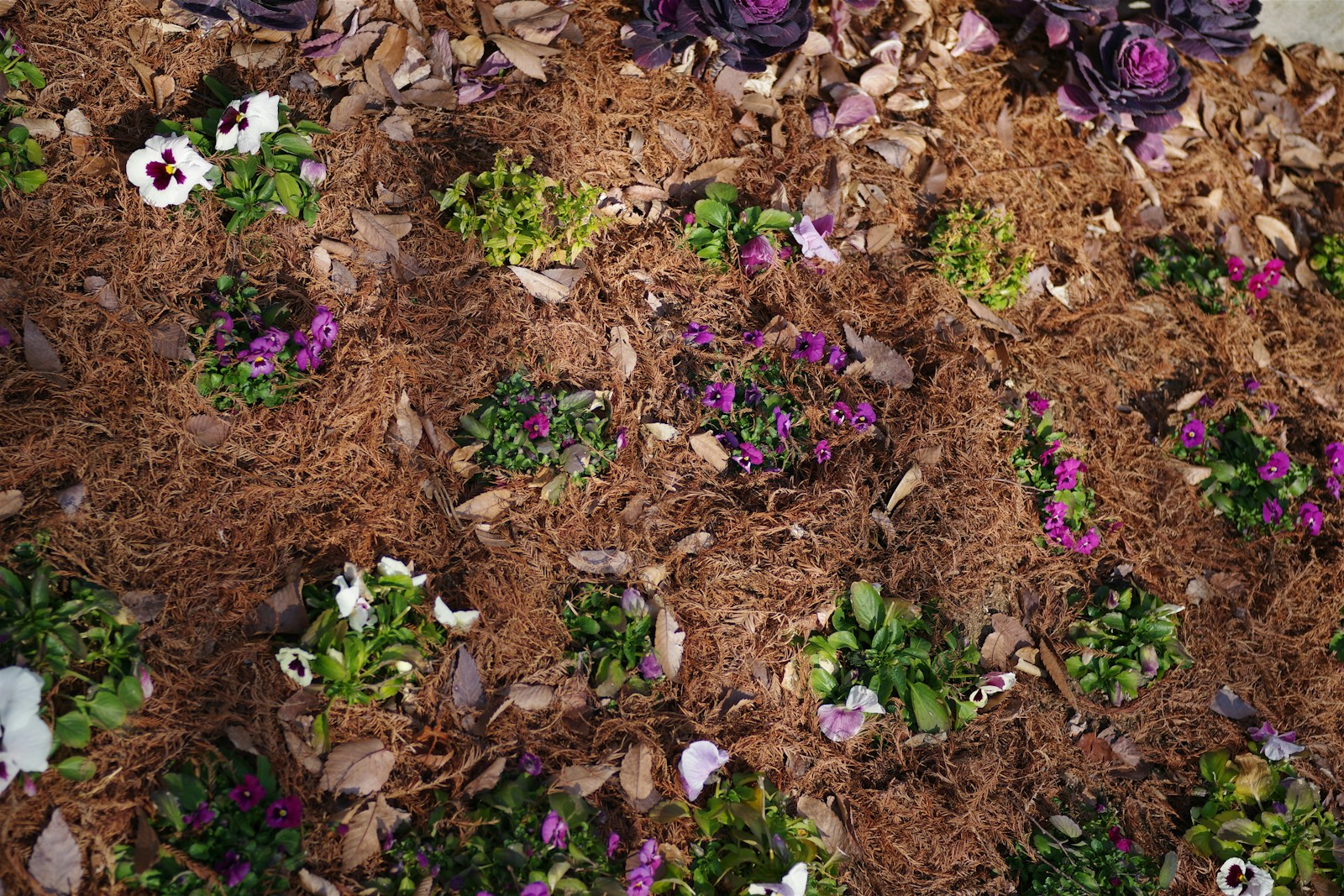
The flower bed went in during spring, along the walkway in front of the house. The homeowner picked native plants that thrive without much water, kept every one of them inside the property line, and checked the homeowners association rules before digging. A week later, a printed notice was taped to the front door calling the bed non-compliant and demanding it be removed.
The homeowner shared what happened next in a Reddit post that TwistedSifter wrote up on Nov. 22. The notice came from a single board member, and it did not last long.
What the Rulebook Actually Said
Before planting, the homeowner went through the HOA’s rules and found nothing that banned flowers. One section went further and encouraged “attractive landscaping,” with two conditions: the plants could not be invasive, and they could not block the sidewalk.
The new bed met both. It sat along the walkway without crowding it, and the native plants were chosen precisely because they belong in the local landscape. Native species are adapted to the soil and climate where they grow, and the National Audubon Society encourages homeowners to plant them because they support local birds and other wildlife.
Keeping the bed inside the property line matters too, because a bed’s location is the kind of thing a neighbor or board member can complain about later. A bed that stays inside the lot line and off shared walkways leaves little room for an argument about whose land it is or whether it blocks anyone. The homeowner built the bed with that in mind from the start.
Low-water planting is also something regulators push for. The EPA’s WaterSense program encourages homeowners to choose plants suited to their region so yards need less irrigation.
A Notice on the Door
Front-yard beds tend to draw more attention than backyard ones. They face the street, they change how a house looks from the sidewalk, and they are what board members see on their walks. That may be part of why this bed got noticed so quickly.
About a week after the bed was finished, the notice appeared. It declared the flower bed out of compliance and said it had to come out. The homeowner believed the problem was personal taste, not the rules. According to the post, the board member who issued it simply dislikes anything in a front yard besides grass and shrubs.
HOA rules are usually written into covenants that run with the property, and an association generally has to enforce what those documents say. Cornell Law School’s Legal Information Institute describes a restrictive covenant as a written limit on how land can be used. A single board member’s dislike of flowers is not one of them.
One Email to the President
Instead of pulling the plants, the homeowner emailed the HOA president. The message included photos of the yard and a screenshot of the section of the rulebook that encourages attractive landscaping.
The president answered the next day. The notice, the president wrote, should never have been sent, and the homeowner could ignore it. The flower bed stayed.
Not every garden fight ends that quickly. In Georgia, Atlanta News First reported in October that an Acworth couple was facing $25-a-day fines over a front-yard vegetable garden their HOA called unsightly. Other homeowners covered here have had to fight longer, including the wildflower gardener who got her yard certified as a wildlife habitat after a neighbor filed about 30 weed complaints.
Why the Paper Trail Worked
The notice said the bed was non-compliant. The homeowner’s reply answered with evidence: the section of the rulebook that applied, next to photos of the bed, so the president could compare the two.
That kind of reply also creates a record. If the same board member had pushed the issue again, the homeowner would have had the president’s answer in writing, dated the day after the email. A written answer from the top of the board is hard for one member to ignore.
It also kept the dispute small. One email and one reply ended it, long before it could turn into the kind of months-long fight that fills so many HOA stories.
Flowers, Neighbors and a Glare
With the notice withdrawn, the plants filled in and started blooming. Then something the board member probably did not expect happened. Several neighbors stopped by to ask for the plant list so they could put in flower beds of their own.
The one person still unhappy, according to the post, is the board member, who now slows down to glare while walking past the house.
For anyone planning a new bed in an HOA neighborhood, the homeowner’s approach is a useful one. Read the rules before planting, keep the bed inside the property line and off the sidewalk, and if a notice arrives, answer it with the exact rule and a photo. In this case, that was all it took for the president to step in.
This article was produced with AI assistance and edited for accuracy against the sources linked above.