Homeowner Says Her Husband’s Vegetable Garden Was Suddenly Overrun by Squirrels, Then They Discovered Who Was Feeding Them Peanuts Next Door
A person shared his story about a vegetable garden that had peacefully coexisted with the neighborhood wildlife for years. Her husband loved gardening, and their fenced yard regularly produced fresh vegetables despite the occasional squirrel, rabbit, or curious bird. They accepted those visitors as part of the bargain that came with growing food outdoors.
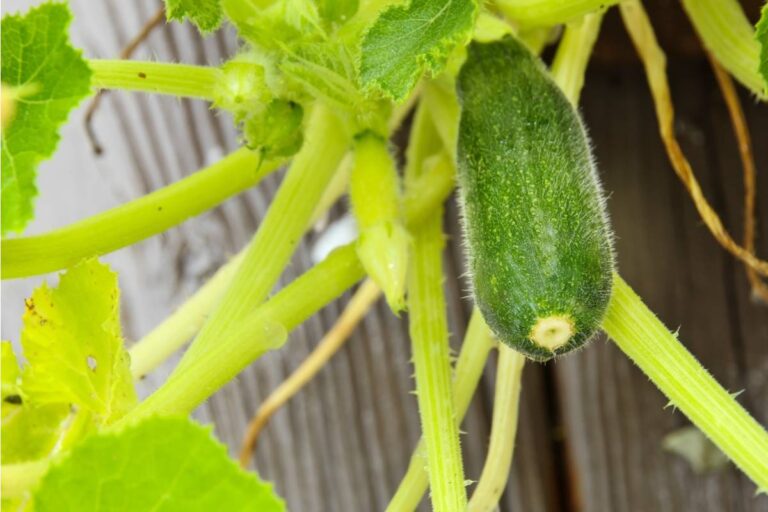
Then something changed during one particularly rough gardening season. Squirrels suddenly seemed to be everywhere, and the damage became difficult to ignore. Vegetables disappeared, partially eaten produce turned up in the yard, and the couple began wondering why the squirrel population had apparently declared their garden the hottest restaurant in town.
The Mystery of the Peanut Shells
The first clue appeared in an unexpectedly ordinary form: empty peanut shells scattered around the backyard. At first, the couple assumed the squirrels had simply discovered somebody’s forgotten stash or raided a nearby tree. But the number of shells kept increasing, especially near the fence closest to the vegetable garden.
Then they discovered something that made the entire mystery click into place. Their elderly neighbor was deliberately pouring peanuts into her yard, including directly along the side closest to their garden. The squirrels weren’t simply discovering the garden on their own; they had apparently been receiving dinner invitations.
The Neighbor Meant Well
There was one major complication: the neighbor was friendly. She was elderly, pleasant, and apparently delighted by watching the squirrels come for their daily treats. The couple had a good relationship with her, which made the idea of confronting her feel much harder than simply complaining about a random nuisance.
The homeowner understood that the neighbor was not trying to destroy anyone’s garden. From her perspective, she was probably doing something kind for wildlife and enjoying a little backyard entertainment. Unfortunately, the squirrels were interpreting that kindness as an unlimited food subscription.
Then the Vegetables Started Disappearing
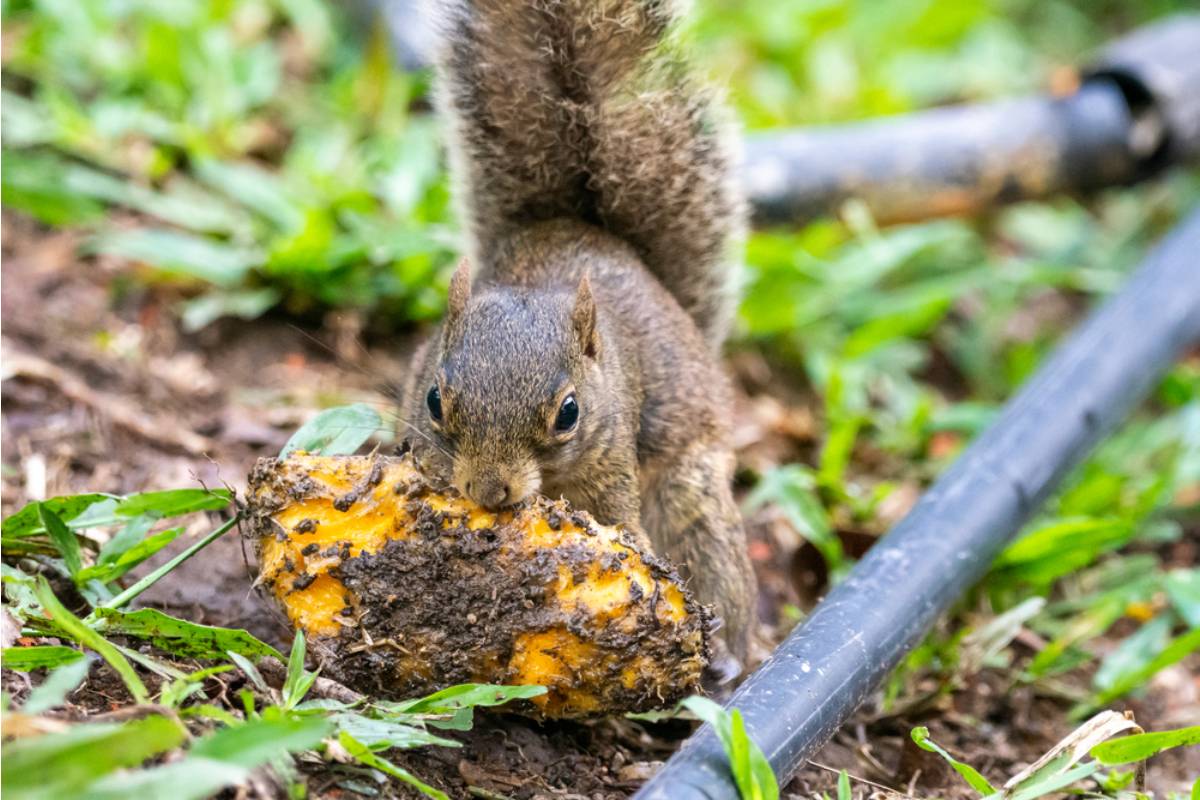
The garden itself provided the strongest evidence that the situation had changed. The homeowners actually watched squirrels run away carrying vegetables in their mouths, while half-eaten produce appeared elsewhere in the yard. It was no longer a theoretical concern about wildlife wandering through the garden.
The timing made the peanut discovery even more suspicious. The couple had managed the garden successfully during previous seasons, yet suddenly they were dealing with an explosion of squirrel activity. The neighborhood squirrels had apparently discovered that one yard offered peanuts while the neighboring yard offered the main course.
The Fence Wasn’t Enough
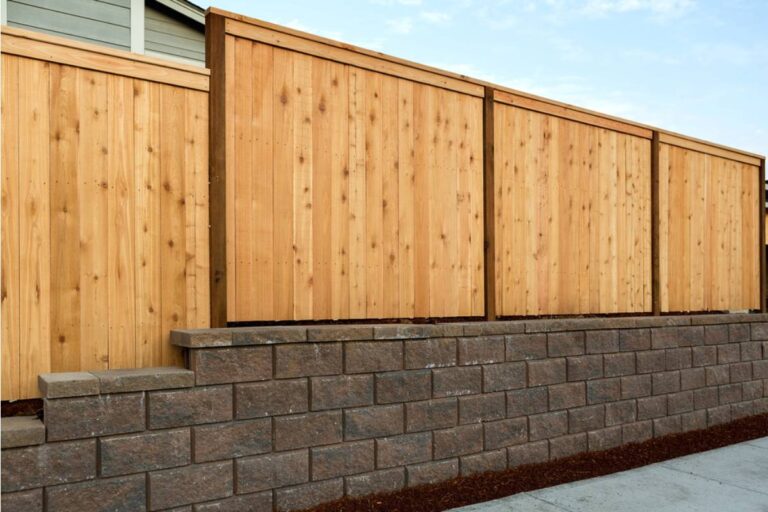
The garden already had proper fencing, and it had successfully kept most of the neighborhood’s wildlife under control. Rabbits and birds still visited, but they weren’t causing the same level of destruction. The squirrels, however, treated the fencing more like a suggestion than an actual boundary.
A response from a person pointed out that squirrels are particularly difficult to exclude because they can approach gardens from above. A tall fence might stop an animal walking across the ground, but it does little against a creature capable of jumping, climbing, and launching itself from nearby trees. The couple had accidentally built a secure garden with an aerial entrance.
The Peanut Trail Led Next Door
Once the couple knew what they were looking for, the evidence became almost funny. Peanut shells appeared near the fence, while squirrels seemed to travel directly between the neighbor’s feeding area and the vegetable garden. It was as though someone had installed a tiny wildlife highway connecting the two properties.
A response from a person suggested simply telling the neighbor that the feeding was creating a noticeable increase in rodents and wildlife near the property. That approach avoided accusing her of doing something wrong and instead focused on the consequences affecting the garden. It also gave the neighbor a chance to understand the problem without feeling attacked.
One Gardener Had a More Diplomatic Idea
Another response from a person suggested that the couple avoid demanding that the neighbor stop feeding the squirrels altogether. Instead, they could politely ask whether she might move the feeding area farther away from the shared fence. That small change could preserve the neighbor’s enjoyment while potentially reducing the traffic passing directly into the garden.
The suggestion made sense because the couple didn’t actually want to start a neighborhood feud over peanuts. Their neighbor wasn’t hostile, and there was no reason to turn a manageable gardening problem into a permanent relationship problem. Sometimes the best garden defense begins with a friendly conversation rather than another roll of fencing.
The Squirrel Problem Was Bigger Than the Garden
Several responses pointed out that feeding wildlife can create consequences beyond damaged vegetables. Concentrated food sources can attract additional animals, encourage animals to become unusually comfortable around people, and increase activity around homes. In some places, feeding wildlife may also be restricted by local rules.
The couple had initially thought about the problem as a simple question of whether the neighbor should be allowed to feed squirrels. But the more they considered it, the more complicated the situation became. The real question was whether one person’s backyard hobby was unintentionally changing the wildlife pressure on everyone else’s property.
Then Someone Mentioned the Rats
The word “rodents” suddenly became especially useful because squirrels weren’t necessarily the only animals interested in free food. A response from a person described how outdoor feeding stations can attract mice and rats along with the intended wildlife. Leftover food and discarded shells can become an invitation to creatures that nobody intended to feed.
That gave the homeowner a much less confrontational way to approach the neighbor. Instead of saying, “Please stop feeding the squirrels because they’re destroying our garden,” she could explain that the additional food appeared to be attracting more wildlife around the homes. It was a subtle difference in wording, but it could make the conversation feel cooperative rather than accusatory.
The Gardeners Had Their Own Tricks
Some responses focused on protecting the vegetables instead of changing the neighbor’s behavior. Suggestions included stronger covers, netting, barriers, and selecting crops that squirrels are less interested in. One person even suggested planting extra vegetables, essentially accepting that the squirrels would demand their share.
For a gardener who has spent weeks nurturing a tomato plant only to watch a squirrel carry away the first ripe fruit, however, “plant more” can sound like questionable financial advice. The couple already understood that wildlife would always exist around the garden. What they wanted to know was why this particular season had suddenly become so much worse.
The Squirrel Feeder Became the Real Villain
The more the couple observed, the more obvious the connection seemed. The neighbor wasn’t merely watching squirrels happen to visit her property; she was actively providing them with a dependable supply of peanuts. That meant the squirrels had a reason to keep returning to the same area.
One response from a person described seeing an entire “army” of squirrels traveling from a feeder’s property toward neighboring gardens. Another explained that squirrels often bury food, which can create an entirely separate problem when forgotten nuts later turn up in flower beds and lawns. Suddenly, the peanut shells weren’t just litter—they were clues to a much larger wildlife routine.
Then Came the Forgotten Peanut Problem
Squirrels don’t necessarily eat everything they receive immediately. They can carry food away and bury it for later, which means the garden may become an accidental storage facility. A vegetable bed filled with soft soil can be an irresistible place for a squirrel looking for somewhere to hide its treasure.
That creates a frustrating cycle for gardeners. The animal arrives because food is abundant, digs through the soil to hide something, returns later to search for something else, and may damage plants along the way. The neighbor may see a happy squirrel enjoying a peanut, while the gardener sees three newly disturbed seedlings.
The Couple Considered Saying Nothing
At one point, the homeowner wondered whether the easiest solution was simply to accept the situation. After all, the neighbor was allowed to enjoy her own yard, and the squirrels were technically wild animals. Starting an uncomfortable conversation over something as ridiculous-sounding as peanuts could seem unnecessary.
But the garden was not a trivial hobby for her husband. He had invested time, money, effort, and patience into growing the vegetables, and the sudden squirrel invasion was directly affecting that work. The question became whether staying silent to preserve a pleasant relationship would eventually create more resentment than having one polite conversation.
The “Play Dumb” Strategy
One particularly clever response suggested approaching the neighbor without revealing that the couple already knew about the peanuts. The homeowner could casually mention that there had suddenly been an incredible number of squirrels around the garden and ask whether the neighbor had noticed anything unusual. That would give the neighbor an opportunity to reveal the feeding herself.
The idea appealed to the homeowner because it avoided opening the conversation with an accusation. Instead of saying, “We know you’re feeding them,” she could simply ask an innocent question and see where the conversation went. Sometimes letting someone connect the dots themselves works better than drawing the entire picture for them.
A Friendly Compromise Might Save Everything
Another response suggested an even simpler solution: ask the neighbor to move the feeding station. If the peanuts were placed farther away from the shared fence, the squirrels might spend more time around that part of the yard instead of treating the vegetable garden as their next destination.
There was no guarantee it would work, of course. Squirrels are persistent little opportunists, and they may happily travel for a good meal. But even a small reduction in traffic could make a noticeable difference during the growing season.
The Unexpected Twist
The funniest part of the story was that the neighbor probably believed she was helping the squirrels while the couple believed she was accidentally sabotaging the garden. Neither side was necessarily acting maliciously, yet a simple can of peanuts had created an unexpected conflict between two otherwise friendly households.
In the end, the garden problem wasn’t really about squirrels at all. It was about how one person’s small backyard habit could quietly reshape what happened on the other side of a fence. And the strangest twist was that the couple had spent days wondering why the squirrels suddenly loved their vegetables so much, only to discover that their neighbor had essentially been advertising the garden as the dessert course.