A Retired Navy SEAL Faced 2 Felony Charges Over One Hemlock on a Shared Property Line. He Pleaded Guilty to Trespassing and Paid $1,000.
Two felony counts, each carrying up to seven years in prison, ended with a $1,000 fine. On Oct. 23, 2026, a New Hampshire judge dismissed both felonies against Michael Hayes, a retired Navy SEAL commander, after he pleaded guilty to a trespassing violation, the Valley News reported on Nov. 4. The case began with one hemlock on the line between his Sunapee Harbor property and his neighbors’.
One hemlock, one stump and an $11,259 appraisal
Hayes, 55, lives on Lake Avenue in Sunapee. His neighbors to the south are Stacey Nath-Vinick and Michael Vinick.
In summer 2025, Hayes had a hemlock on the common property line removed, along with a 4-foot stump from a hemlock the Vinicks had cut in 2019, the Valley News reported. Hayes says the Vinicks cut that earlier tree without his permission. He told the paper he feared the remaining hemlock was dead or dying, and he pointed to a 2017 incident in which a falling tree destroyed a family vehicle.
On June 11, 2025, Hayes asked the Vinicks about cutting the tree. They declined, saying they were dealing with a family death. A tree appraisal commissioned by the Vinicks later put the replacement value of the removed hemlock and stump at $11,259.
The two felonies
A Sullivan County grand jury returned the indictments on May 27, 2026, according to an earlier Valley News report. The charges were criminal mischief and timber harvesting trespass.
That report put the penalty for each felony at three and a half to seven years in prison and a $4,000 fine. For criminal mischief, the state alleged damage to the neighbors’ trees of more than $1,500. The timber charge concerned cutting or felling trees on another person’s land without permission.
New Hampshire’s criminal mischief law, RSA 634:2, makes the offense a class B felony when the actor purposely causes pecuniary loss in excess of $1,500. Losses from one scheme or course of conduct can be added together.
How the case ended on Oct. 23
At Sullivan Superior Court in Newport, Judge James Kennedy dismissed both felonies with the state’s agreement. Hayes pleaded guilty to a trespassing violation and paid a $1,000 fine.
Under RSA 635:2, any criminal trespass that does not fit the statute’s misdemeanor or felony categories is “a violation,” a lower classification than either.
Hayes was represented by attorney Jason Casey. Casey argued that the appraisal used replacement value rather than market value, and that Hayes did not act recklessly. The prosecutor was Sullivan County Attorney Christine Hilliard.
Hayes said he accepted responsibility for a non-criminal violation to resolve the matter quickly. He also said he was never contacted before charges were filed.
What state law says about cutting trees on someone else’s land
The felony counts were separate from the civil side of tree cutting. Under RSA 227-J:8, anyone who negligently cuts, fells, destroys or carries away trees on another person’s land without permission forfeits to the injured owner between three and ten times the market value of each item cut, in addition to any other civil or criminal penalty the law allows.
A New Hampshire Division of Forests and Lands timber trespass fact sheet adds that reckless timber cutting is a class B felony when the loss exceeds $1,000 and a misdemeanor for smaller losses. The same sheet tells landowners to start with basic questions: whether they know where their boundary lines are, whether the property has been surveyed recently and whether the lines are marked.
Those questions are the ones that decide who owns a boundary tree and who gets to cut it. Lovely Garden Roots has followed similar disputes, including a neighbor who cut back trees over a fence and admitted taking too much and a family whose privacy plants were cut down twice.
Where the case stands
The criminal case ended on Oct. 23 with the felonies dismissed, the guilty plea to the trespassing violation and the $1,000 fine.
This article was produced with AI assistance and edited for accuracy against the sources linked above.
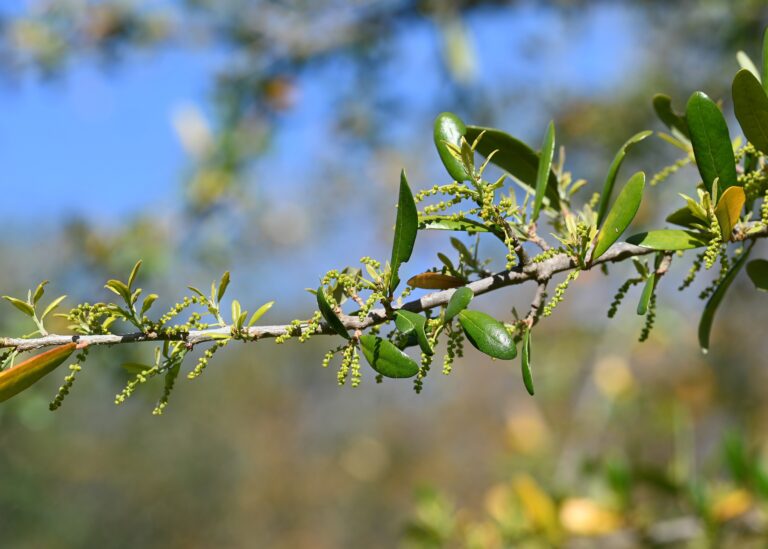
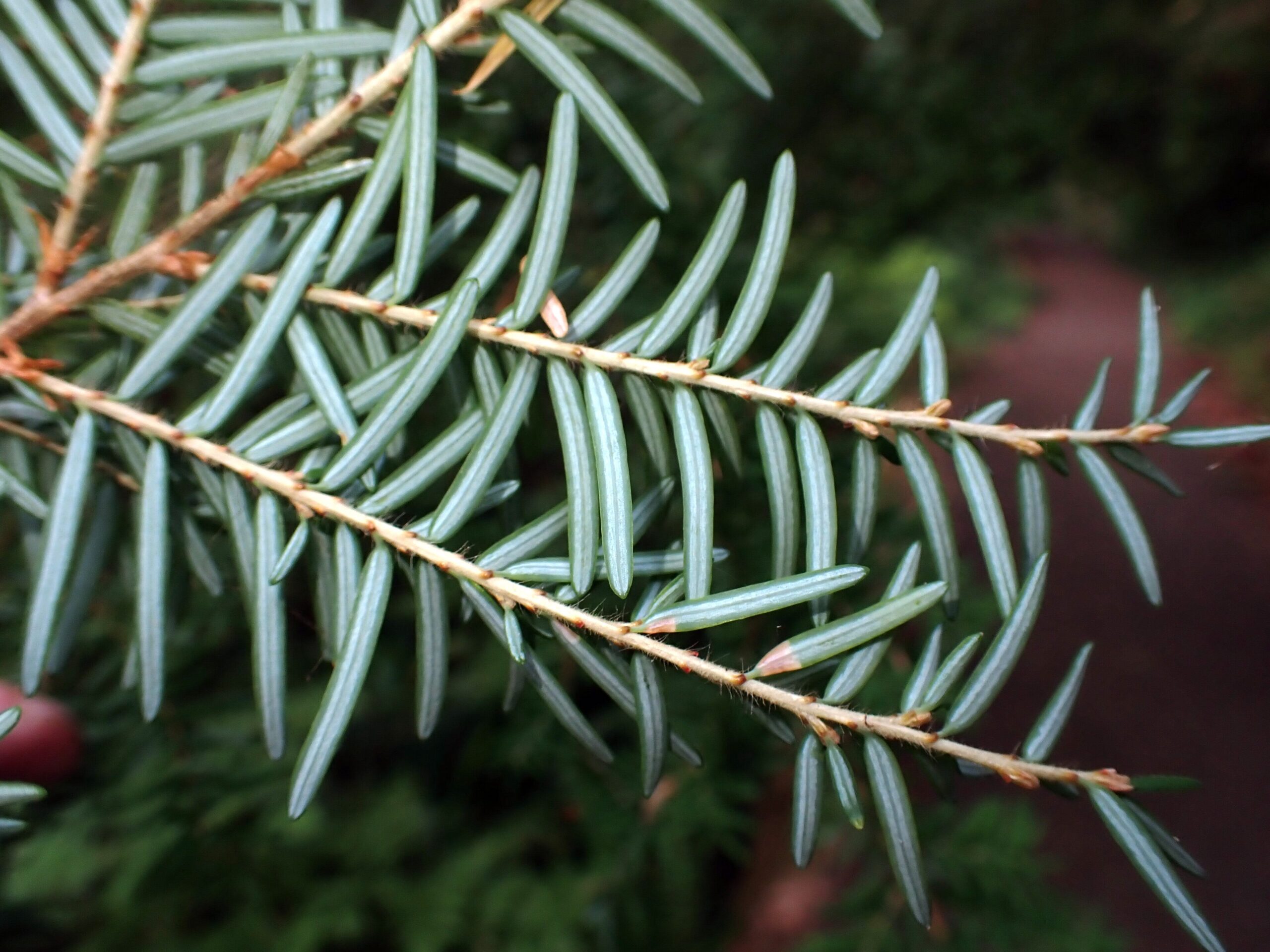
Image: Kollibri1969 – CC0/Wikimedia Commons