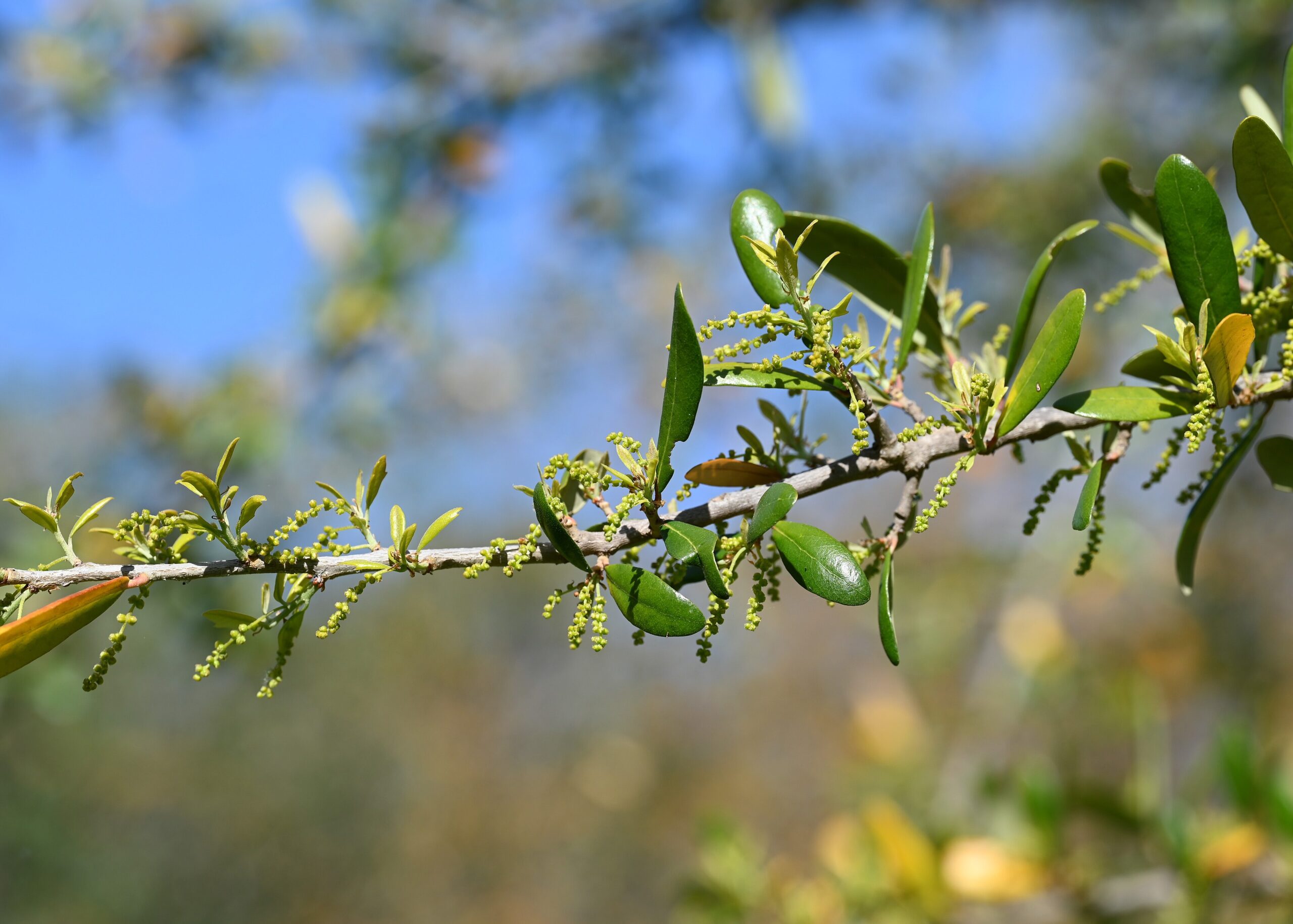
Stefan Pizzi Says the Consent Letter With His Name on It Was Forged, and That Is How the 50-Foot Oak on His Little Haiti Property Line Came Down
The letter on file with the City of Miami carries two names: Stefan Parris Pizzi and Adriana Victoria Ocampo, the couple who own a duplex in Little Haiti. Pizzi says neither of them wrote it or signed it. He also says that letter is the reason a roughly 50-foot oak on the line between his lot and the one next door is now a stump, according to a 7 Investigates report by WSVN 7News that aired Oct. 20.
He has taken the fight to court, where part of his case has already fallen away. In July, a judge permanently dismissed the fraud and forgery count of his lawsuit, a ruling the defendants’ lawyers now point to.
An Oak Beside an Orange Fence
Pizzi and his girlfriend bought the duplex in 2023. The property is ringed with trees, and the big oak stood right on the boundary. Pizzi told 7News the oak contrasted with the home’s orange fence and gave the place its distinctive look.
In 2025, the oak vanished. Pizzi said his front-door tenant called him in a panic to say the tree had been cut down. A crew clearing the neighboring lot had taken out several trees there, and the shared oak was one of them.
When Pizzi asked what had happened, the owner of the lot next door told him it had permission and a city permit to remove the trees, the oak included.
The Consent Letter Filed With the City
The neighboring owner, JF Property Holdings LLC, had submitted a signed consent letter to the city as part of its permit request. The letter states that the homeowners “have been informed that a tree that shares property boundary” was “scheduled for removal as a result of construction of a new single-family home.”
The names typed on that letter are Pizzi’s and Ocampo’s. Pizzi said the signatures under them did not match. “So they were completely different signatures versus the names on there,” he told 7News.
The letter was also notarized. That stamp carries weight under state law. Florida’s notary statute says a notary may not notarize a signature if the person whose signature it is does not appear before the notary. The notary who stamped this letter has been sued separately for negligent notarization.
What the Court Has Decided So Far
Pizzi sued JF Property Holdings and three others involved in the construction and the tree removal. His suit accused them of trespassing, conversion, fraud and forgery.
In July, a judge permanently dismissed the fraud and forgery count.
Attorneys for the defendants told 7News that the claims about irregular signatures aimed at their clients have been dismissed. They also called the lawsuit “a classic Miami money grab, nothing more.”
Pizzi sees it differently. He told the station he wants the city to take the matter very seriously, because to him it is about far more than a crew cutting down someone’s tree.
How Miami’s Tree Permits Work
In Miami, anyone who removes or relocates a tree on a property generally needs a tree removal permit unless the regulations exempt it, according to the city. Tree work tied to new construction is filed as a sub-permit of the building project, and applications call for a tree survey showing every tree on the site, a written statement of the reason for the work, a landscaping plan for replacement trees and photos or an arborist report, the city’s permit page says.
The city told 7News that its department “proceeded with the permitting process under the assumption that all parties were acting in good faith.” The city added that, to the extent there are allegations of “a fraudulent submittal,” it will track any investigation and take “appropriate action, to be determined.”
That reliance on paperwork has become a bigger part of how the city works. WLRN reported in April that Miami’s reviewing officers no longer visit sites before issuing tree removal permits, leaning instead on documents from arborists, licensed professionals and sometimes property owners. Building Department Director Ed Santamaria told the station that tree removal permits had increased and acknowledged, “There are bad actors.” He said Chapter 17, the city’s tree ordinance, “remains intact.”
Changes to that ordinance are still being argued over. The city hired Florida State University’s Florida Conflict Resolution Center under a $180,000 contract to mediate between groups pushing for stricter enforcement and developers, and Assistant Building Director Melissa Fernandez-Stiers told WLRN a draft ordinance was not expected before December, calling even that “a best-case scenario.”
Bamboo Where the Oak Stood
Pizzi and Ocampo have ground down half of what was left of the oak’s stump and closed the gap it left in their fence.
They also planted bamboo to block their view of the new house next door, built on the lot the crew had cleared.
Disputes over trees cut on the wrong side of a line keep surfacing. One homeowner lost his young trees when a new neighbor’s tree company cleared their property line, and in Pierce Township, neighbors went before a jury after about 250 trees were cut from the greenbelt behind their homes. In Little Haiti, Pizzi still says the signatures on the letter that cleared the way for the saws were not his or Ocampo’s.
This article was produced with AI assistance and edited for accuracy against the sources linked above.
Image: Krzysztof Ziarnek, Kenraiz – CC BY-SA 4.0/Wikimedia Commons