His Neighbor Put Up a Fence About 3 Feet Inside His Line, Taking 240 Square Feet of Yard. He Offered to Split a Second Survey and Got No Answer in Six Weeks.
Six weeks after he offered to split the cost of a second survey, a Texas homeowner is still waiting for his neighbor to answer. The fence next door has not moved, and a licensed surveyor’s findings put it about 3 feet inside the homeowner’s line, according to a Yahoo Life account published Nov. 22, 2026.
The homeowner was not named in the account, which came from a reader submission, so the details below are as the reader described them.
What the survey found
The fence went up in March 2026, Yahoo Life reported. The two men had been neighbors for three years with no earlier trouble.
The homeowner hired a licensed surveyor, who found the fence sitting three feet inside his property along the whole shared boundary. The boundary runs about 80 feet, which works out to roughly 240 square feet of yard now on the neighbor’s side of the fence.
The homeowner kept a survey with the boundaries marked, photos taken before the fence went up and texts that acknowledge a conversation between the two.
The offer that got no answer
When the homeowner showed his neighbor the survey, the neighbor said the fence company “did it right” and that he would not act on a survey he had not commissioned himself.
So the homeowner offered to pay for a second, independent survey and split the cost. The neighbor said he would “think about it.” That was six weeks ago, and he has not replied.
Why a fence is not the property line
A fence shows where someone built, not where the land divides. The Texas Real Estate Research Center at Texas A&M University says a survey is needed to find out whether a fence matches the legal description, and that title policies do not promise the two coincide.
The same center describes what a standard boundary survey delivers in its guide “Sizing Up Surveys”: the surveyor sets corner monuments and provides a signed, sealed and dated description with a certified plat. The guide adds that land surveyors in Texas are licensed by the Texas Board of Professional Land Surveying.
It also notes that a standard boundary survey does not locate fences unless the client asks, and that a separate investigative survey is the type used to determine whether a structure encroaches on a property. That distinction could matter if the neighbor does agree to a second survey, since the question on the table is where the fence sits against the corners.
How long a fence can stand before it becomes a claim
Texas law sets a 10-year window for suits to recover land held in “peaceable and adverse possession” by someone else, under Section 16.026 of the Civil Practice and Remedies Code. A fence built in March 2026 is nowhere near that mark.
Still, courts take such claims seriously. A Texas AgriLife Extension law blog on a fence boundary case says a claimant must show possession that is “actual, visible, continuous, notorious, distinct, hostile” and signals a claim of exclusive ownership. In that case, a Waco appeals court found no adverse possession over what it called a “casual fence.”
The Real Estate Center’s older analysis adds one more point owners often miss: permission to use the land stops adverse possession, and that permission should be recorded in the deed records. The center was describing choices for buyers, but the idea cuts both ways. What a neighbor is allowed to do, and what he is only putting up with, can matter later.
What readers suggested
Yahoo Life summarized the advice that came back from other readers. Several suggested sending a certified-mail letter with the survey attached and then talking to a local real estate attorney.
Others said to check with the local code enforcement, building or permitting office, which may look into whether the fence had a permit. Small claims court and a demand letter from an attorney also came up.
Commenters warned against self-help. Pulling the fence out, they said, could backfire, and one noted that an unresolved encroachment can complicate a future sale of the house.
Where it stands
As of the Nov. 22 report, nothing has changed. The survey is in hand, the fence is still up, and the second-survey offer sits unanswered.
Neighbors in similar spots have taken different routes. Lovely Garden Roots has followed a few, including a dispute where a property survey changed the picture and a leaning fence in Corpus Christi that city citations have not moved.
This article was produced with AI assistance and edited for accuracy against the sources linked above.
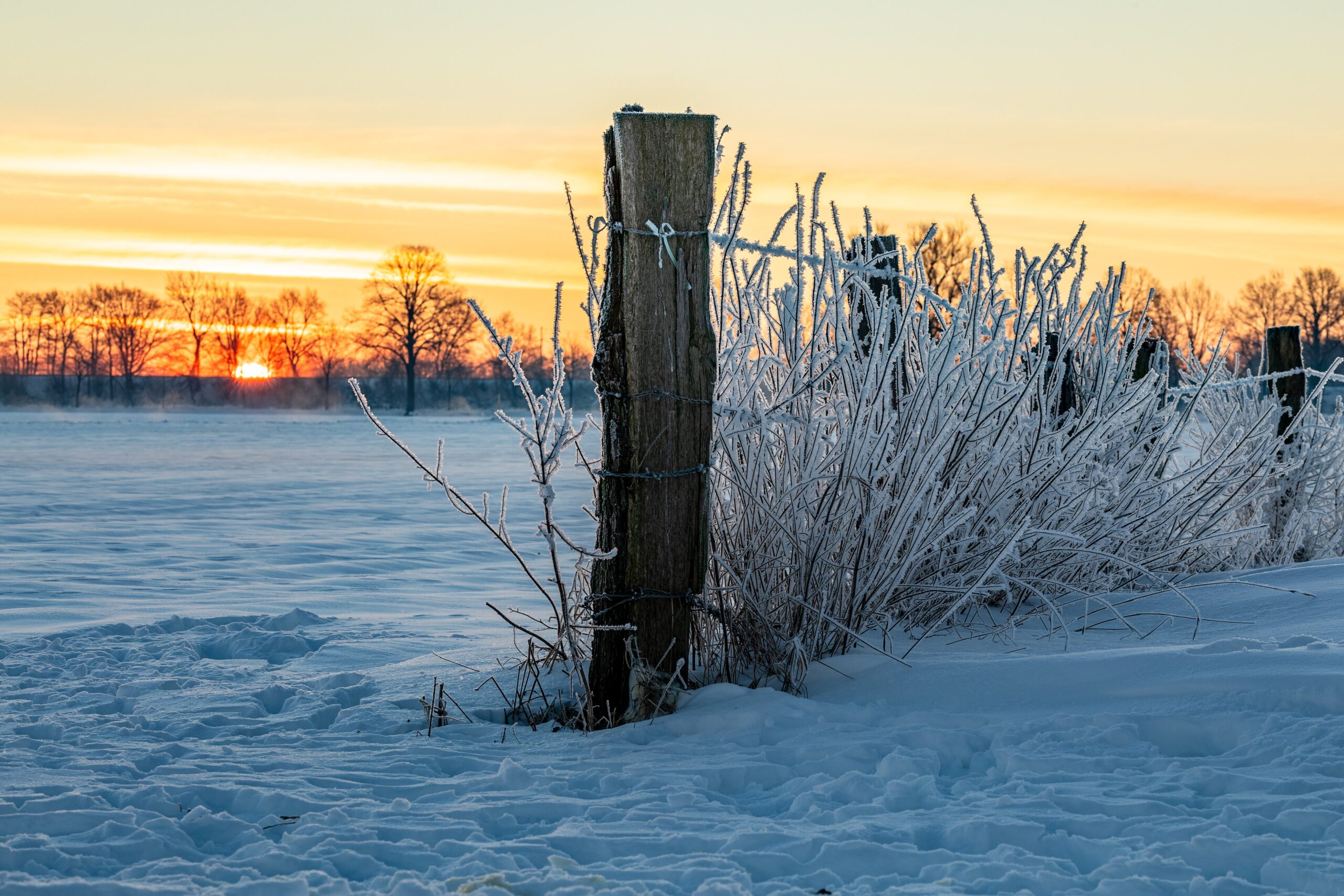
Image: Dietmar Rabich – CC BY-SA 4.0/Wikimedia Commons