An Oregon Homeowner Says His Retired Neighbor Climbed the Fence and Cut Down 12 Arborvitae. Now the Neighbor Wants Him to ‘Try Harder’ to Be a Good Neighbor.
A row of arborvitae was supposed to give an Oregon homeowner some privacy along the one stretch of his wooded land that faces a neighbor’s backyard. Instead, he says, his retired neighbor climbed over the fence and cut the trees down. Years later, that same neighbor is the one complaining, this time about a brush pile, and telling him to “try harder” to be a good neighbor.
The account comes from a homeowner whose story was written up by FAIL Blog on Cheezburger, which relayed what he described about the man next door, a retiree he put at around 65.
A Privacy Screen That Never Got the Chance to Grow
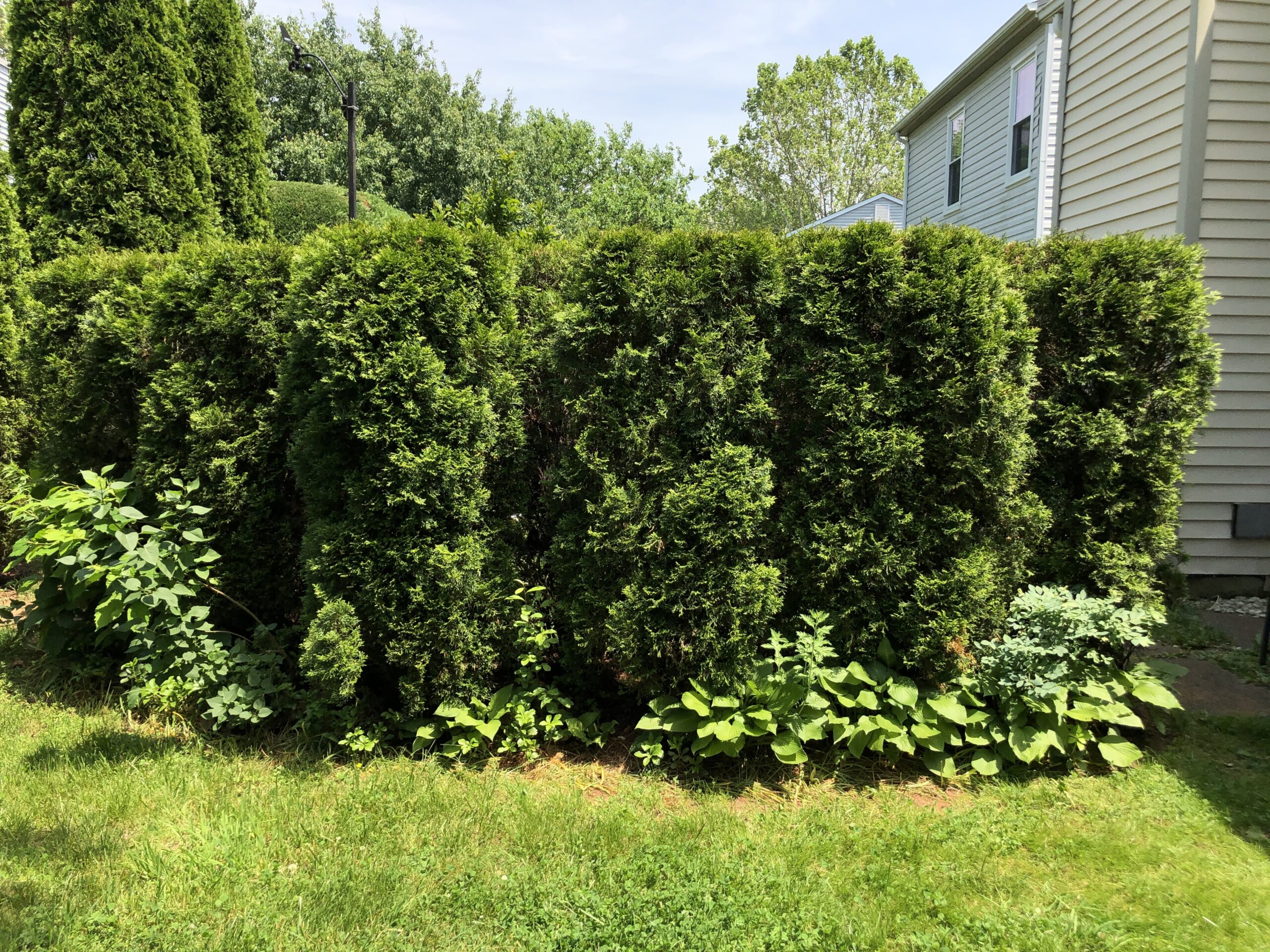
The homeowner lives on several acres that are mostly woods. The one open patch borders the neighbor’s backyard, so that is where he planted arborvitae, the tall, narrow evergreens people often use as a living fence.
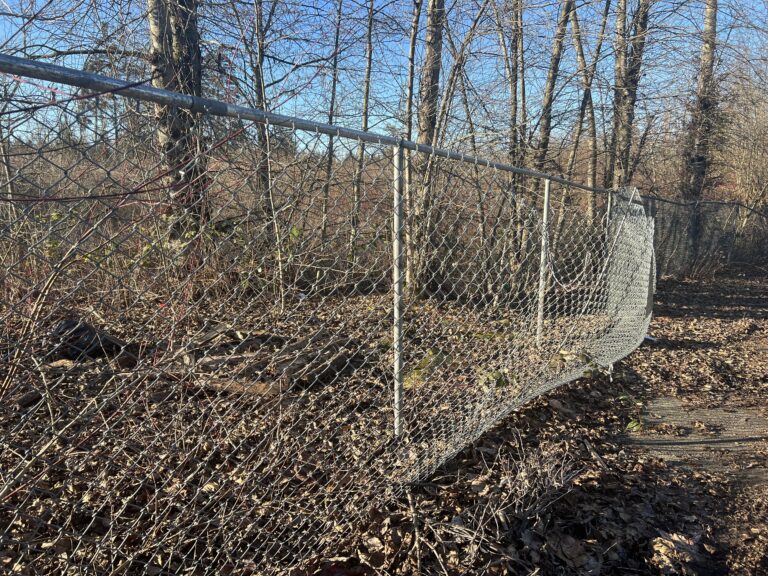
According to his account, the transplants were struggling. Then the neighbor came over the fence and cut them down. The homeowner counts the loss as 12 trees.
He chose not to press charges. He said sending a man in his mid-60s to prison “until his 80th birthday” did not sit right with him, so he let it go.
Stories like this one have a familiar shape on this site, from a neighbor who kept chopping the tops off a homeowner’s evergreens to a contractor who cut most of a Raleigh-area homeowner’s trees. What makes this one different is what happened next.
The Brush Pile and the Lecture
Later, while clearing brush on his own land, the homeowner stacked the debris into a pile he described as roughly 10 by 50 feet and five or six feet high. He said it sat about 30 feet from the neighbor’s property line and about 30 feet from the neighbor’s house.
The neighbor objected. He called the pile an eyesore and a fire hazard, said he would contact the fire department, and told the homeowner to “try harder” to be a better neighbor.
The homeowner’s answer was short. He reminded the neighbor that he already owed him two things: the freedom he had kept by not being reported, and 12 trees.
What Oregon Law Says About Cutting a Neighbor’s Trees
In a follow-up, the homeowner said he had learned the deadline to sue runs six years and that Oregon awards triple damages for trees. He said he was weighing whether to go after the cost of replacing twelve roughly 20-year-old arborvitae, plus planting, watering and upkeep, tripled.
Oregon’s timber trespass law, ORS 105.810, does allow treble damages when someone willfully cuts another person’s trees. Earlier this year the Oregon Court of Appeals upheld an $810,000 treble-damages verdict in Butori v. Bosma, a case where crews cleared trees and plants about 150 feet onto a neighbor’s land, according to a summary by the Law Offices of Derek A. Simpson.
Most states treat a tree as part of the land it grows on, and a neighbor generally may trim only the branches that cross the line, not cut the tree itself, as FindLaw’s guide to tree conflicts explains. Tree law guides such as TreeLaws.org advise owners in this spot to document the stumps, get a survey if the line is in question, and have a certified arborist value what was lost.
Disputes over trees and boundaries are common enough that lawyers who handle them describe a steady stream of cases, as one tree-law attorney told NPR.
Readers Said He Was Too Kind
Most of the people who weighed in on the post sided with the homeowner. One said he had “enabled” the neighbor by choosing to be the bigger man. Another urged him to pursue the charges after all.
FAIL Blog noted that parts of the timeline in the original post were inconsistent, with the tree cutting placed “two years ago” in one spot and five years ago in another. Either way, the homeowner says the deadline has not passed, and he is thinking about using it.
This article was produced with AI assistance and edited for accuracy against the sources linked above.