A German Homeowner Wants His Neighbor to Pay €3,540 a Year for the Leaves and Acorns From 14 Oak Trees Hanging Over His Garden
Every autumn, 14 oak trees next door drop their leaves and acorns into one German homeowner’s garden, and he has decided it is time someone paid for the cleanup. He wants his neighbor to cover €3,540 a year, a figure he worked out down to the hour, the wheelbarrow and the waste container.
The demand was reported by Euro Weekly News, which did not name the homeowner, the neighbor or the town. As of its report, the neighbor had not agreed to pay.
Fourteen Oaks, About 200 Years Old
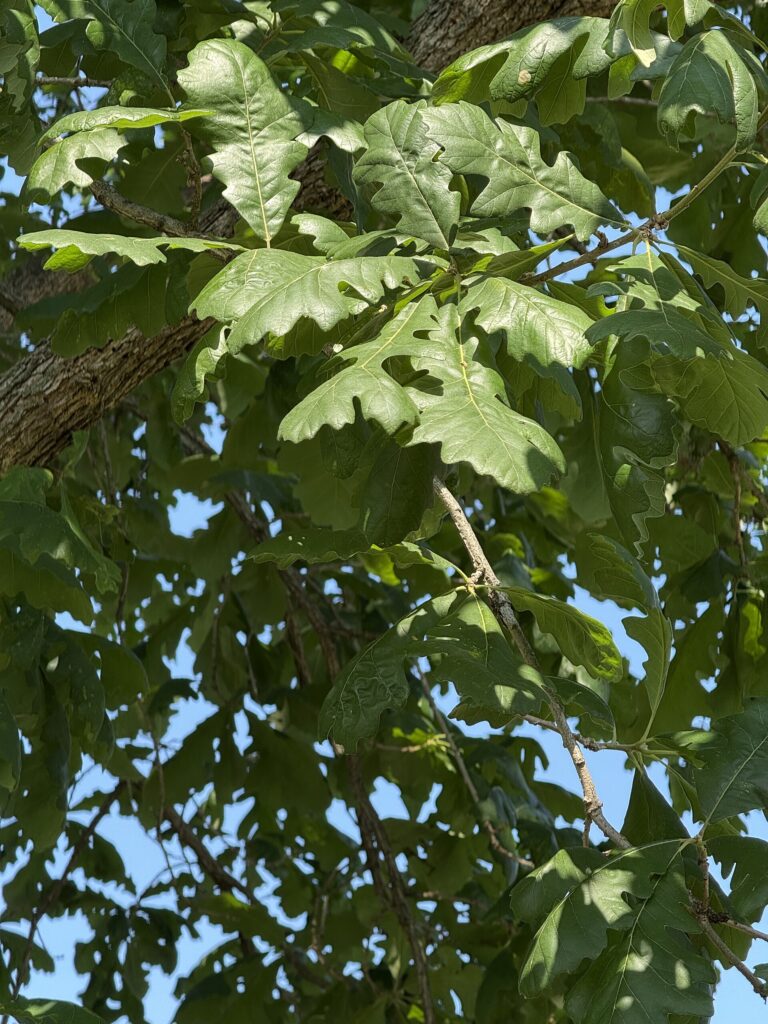
The trees are not saplings. According to the report, the 14 oaks are estimated at about 200 years old and roughly 25 meters tall, which is about 80 feet. Three of them stand about one meter from the homeowner’s house, close enough that their trunks are practically part of the view from his windows.
Their canopies spread 18 to 24 meters wide, and the homeowner says the branches reach 9 to 12 meters past the boundary. That means a large share of his garden sits under somebody else’s trees. He also says the oaks do not meet the required distance from his property.
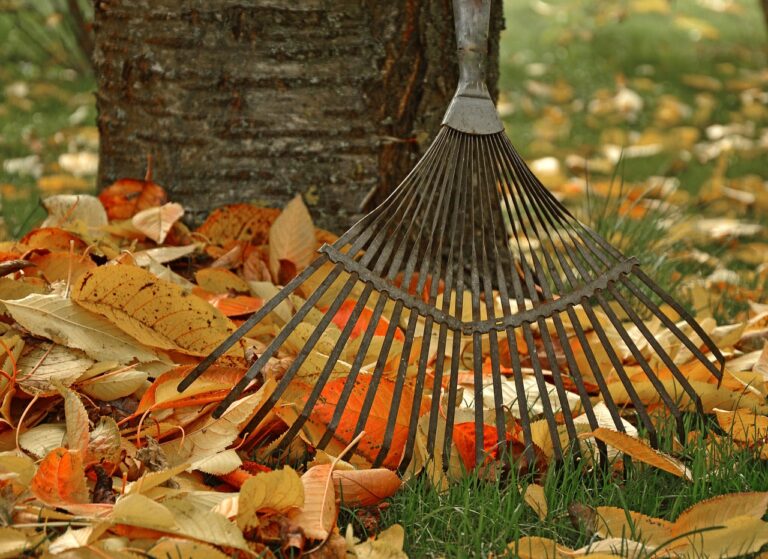
From about the 40th week of the year to the 48th, roughly early October through late November, the leaves keep coming. He puts the haul at about 250 wheelbarrows a year, plus the acorns that come down with them.
How He Got to €3,540
The homeowner broke the bill into three parts, each priced at €40 an hour for labor:
- Gutter cleaning: 18 extra cleanings a year at 2.5 hours each, or 36 hours, for €1,800.
- Raking: four hours a week for nine weeks, another 36 hours, for €1,440.
- Waste removal: six containers at €50 each, for €300.
Added up, that is €3,540 a year, which most headlines rounded to €3,500. The figure is his own calculation, not a court award, and the report did not say whether he has taken it to a lawyer or a court.
The reporter offered a gentle counterpoint, writing that “most people accept that a garden comes with a certain amount of sweeping, raking and clearing up.” The question in this case is whether 14 enormous trees hanging over a property line push that past ordinary.
Who Usually Pays for a Neighbor’s Leaves
In the United States, the general rule runs against a homeowner in his position. Falling leaves, needles and acorns are usually treated as a natural part of living near trees, and a neighbor is rarely liable for them, according to FindLaw’s guide to tree conflicts.
What a homeowner can usually do is trim branches back to the property line at their own expense, as long as the cutting does not kill or seriously harm the tree. Cutting the tree itself is another matter, as TreeLaws.org explains in its guide to trees cut without permission.
Even when a healthy tree comes down in a storm, the damage is often treated as an act of nature, as Consumer Reports explains in its guide to who pays when a tree falls. And routine cleanup or removal of a healthy tree is generally not something homeowners insurance pays for, according to U.S. News.
That is why so many tree fights on this site turn on damage rather than mess, from a California dispute over backyard giants to a neighbor who wanted a privacy screen gone.
What Happens Next
Rules on how close trees may grow to a boundary vary from one German state to another, and the homeowner’s argument leans on his claim that these oaks stand too close. Old trees can also be protected by local rules, which can make cutting them back far harder than sending over a bill.
Whether he can turn 250 wheelbarrows and 18 gutter cleanings into a payment is still an open question. For now, the leaves are still falling, and the bill is still unpaid.
This article was produced with AI assistance and edited for accuracy against the sources linked above.