A Neighbor Blamed a Texas Family’s Standby Generator for a Cracked Window, Then for His Foundation, and Threatened to Go to the HOA. The Crack Was on the Inside of the Glass.
A Houston family had lived in their newly built house for about 10 months when the complaints from next door started. First, the neighbor said their standby generator had cracked one of his windows. Then he said it was damaging his foundation, and he threatened to take the matter to the homeowners association.
The family took the accusations seriously enough to look again. What they found, according to The Cool Down, was that the crack the neighbor had pointed to was on the inside of the window.
A Generator That Runs Five Minutes a Week
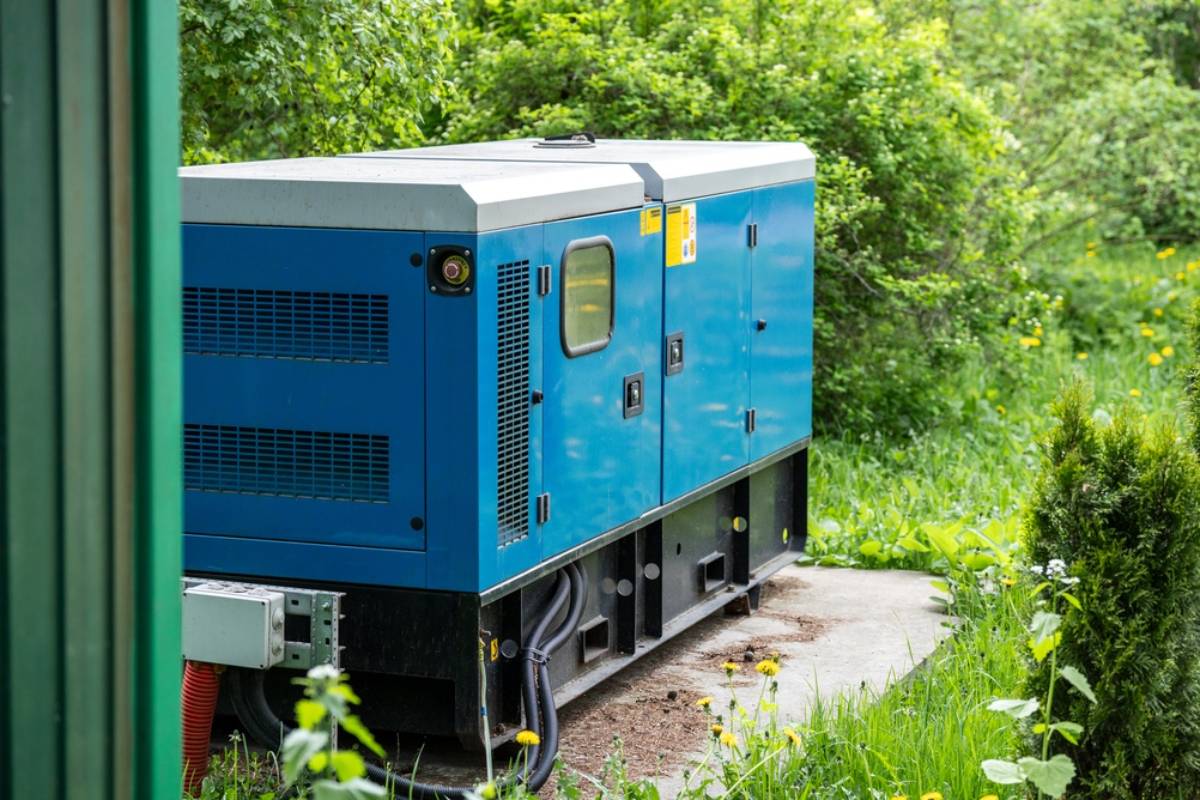
The machine at the center of the dispute is a 24-kilowatt standby unit that was already in place when the family moved in. Standby generators like it are permanently installed beside a house and start automatically when the power goes out, the kind of home backup system sold by makers such as Generac.
To keep themselves ready, these units run a short self-test on a schedule. The family’s generator exercises itself once a week for about five minutes, starting at 3 p.m. on Saturdays. The family said it had never run for an extended outage since they moved in.
That meant the neighbor’s complaint rested on a few minutes of engine noise each weekend. The homeowners came to suspect that the noise, not the window or the foundation, was what really bothered him.
From a Cracked Window to the Foundation
The first request was a big one. The neighbor wanted the family to move the whole generator. The homeowners described that request in a post asking whether anyone else had faced a neighbor demanding a generator relocation.
Before answering, they scheduled the unit’s annual service check, in part to find out whether the generator could possibly be cracking glass next door. Then they checked the window themselves and found the crack was on the inside.
The neighbor did not drop it. In a later update, the homeowner wrote that he was now claiming the generator was ruining his foundation, and that he planned to contact the HOA.
The Offer the Family Put on the Table
Rather than refuse outright, the family offered two ways forward. They said they would move the unit if the neighbor paid for the relocation. Or they would split the cost of a sound enclosure, a product called a Zombie Box that runs roughly $2,000, with him.
People who read their account were blunter. One top reply called the relocation request “completely unreasonable,” pointing out that moving a permanently installed generator is a significant project and expense. Others suggested a simpler fix: changing the weekly self-test from Saturday afternoon to a weekday, when fewer people are home. Several questioned whether a generator could crack a neighbor’s window at all.
What an HOA Can and Can’t Do Here
If the neighbor follows through, the HOA would be stepping into a fight where Texas law already sets some limits. The state’s property code has a section on restrictive covenants that addresses standby electric generators, and a separate chapter covering residential property owners associations, including the notice and hearing steps an association has to follow before enforcing a rule against an owner.
Those rules matter because a complaint alone does not make a violation. An association would have to point to a specific rule the family broke, and a generator that was installed before the family bought the house and runs a few minutes a week may be a hard case to make.
There is also a safety reason permanently installed units sit where they do. Federal safety officials warn that generators produce carbon monoxide and must be kept outside and away from windows and doors, as the Consumer Product Safety Commission explains, so moving one is not as simple as picking a new spot on the lawn.
Where the Neighbors Stand Now
The family’s offer to share the cost of quieting the unit still stands. The neighbor’s last word, as of the update, was a threat to take the dispute to the HOA.
Generator fights have come up before, from a neighbor whose new unit shook a fence line to an owner whose $30,000 Generac diesel generator turned up with oil in its cooling system. In this case, the family says the only thing their machine has done so far is run for five minutes on Saturday afternoons, and the crack that started it all turned out to be on the inside of the window.
This article was produced with AI assistance and edited for accuracy against the sources linked above.