A Homeowner Worried Cameras Facing the House Next Door Would Upset New Neighbors. In Their First Week, the Neighbors Recorded the Same Man on Their Property About 20 Times.
On a quiet dead-end street of seven houses, one homeowner had a worry that had nothing to do with crime. The house next door had sold, and the homeowner wondered whether the security camera pointed toward that property would get things off on the wrong foot with whoever moved in.
It did not work out that way. The new residents’ cameras reportedly recorded the same man entering their property about 20 times in their first week, according to Backyard Garden Lover.
Cameras on Every Side of the House
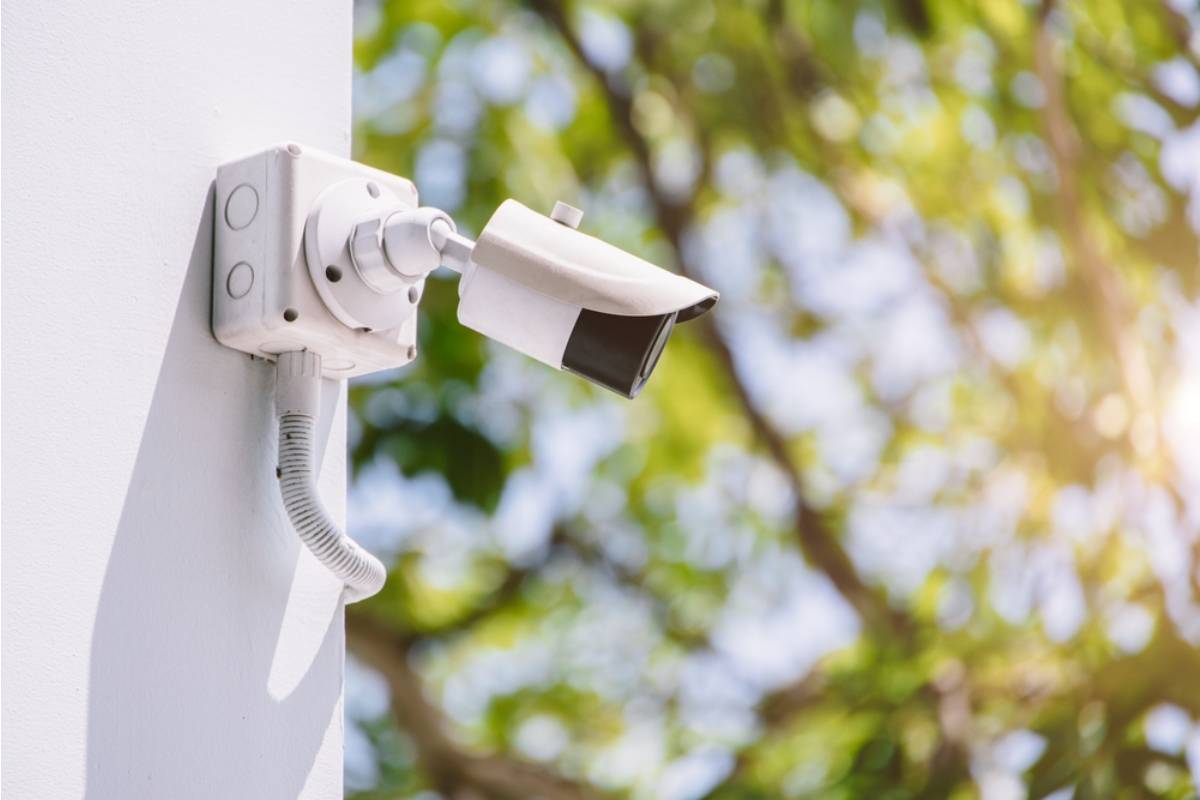
The homeowner already had cameras on all four sides of the house. One of them faced the neighboring property, and its motion detection was reportedly limited to about 10 feet from the property line, so it would pick up activity near the edge of the yard rather than watch the house next door.
That setup was the reason for the worry. A lens aimed toward someone else’s home can feel intrusive to a new neighbor, even when it is meant to cover the owner’s own side of the line. The homeowner also keeps two dogs that spend time in the backyard.
The street already knew of one man in particular. Several households on the road had obtained no-trespass orders against him.
About 20 Visits in Seven Days
Once the new residents moved in full-time, their cameras reportedly caught that man on their property about 20 times in their first week. That works out to nearly three visits a day.
One recording stood out. It reportedly shows him at their front door at around 3 a.m., his face about a foot from the camera lens. The original homeowner’s camera, the one that had caused all the worry, captured nothing during that encounter.
The outlet noted that the allegations about the man have not been independently verified, that no official records of the incidents or court proceedings were located, and that the full video was not publicly available to review. It did not report the man’s name, where the street is, or what he was doing on the property.
What a No-Trespass Order Does
The new residents planned to contact the sheriff’s office about a no-trespass order of their own and to add more cameras.
Trespass, in the legal sense, generally means entering someone else’s land without permission, as the Legal Information Institute at Cornell Law School explains. A formal warning or order puts a specific person on notice that they are not allowed on a property, which can make a later visit easier for police to act on.
When the problem is a person rather than a single incident, some households go further and seek a court order that bars contact or requires someone to stay away. Cornell’s legal encyclopedia describes how a restraining order works and what a court has to find before granting one. Rules and procedures differ from state to state.
A Street That Watches Out for Itself
Small streets like this one often end up acting as their own early-warning system. Groups such as the National Crime Prevention Council and National Neighborhood Watch encourage neighbors to share what they see and report suspicious activity to local law enforcement rather than confronting someone directly.
Cameras have a way of turning neighbor relationships upside down. One homeowner faced a neighbor who accused her of voyeurism after she put up cameras, and another family found a camera looking straight over their privacy fence.
On this dead-end street, the camera that worried its owner turned out to be the least of anyone’s concerns. The new neighbors had their own footage to review: the same man, about 20 times in a single week, including one visit to their front door in the middle of the night.
This article was produced with AI assistance and edited for accuracy against the sources linked above.