A Neighbor Cut Down an 89-Year-Old Oak Standing Well Onto a Couple’s Land Because It Was Too Close to His Shed, Then Wanted Them to Pay Half. They Sued and Won.
An 89-year-old oak stood well inside a couple’s property line, far enough in that nobody should have needed to ask whose tree it was. Their neighbor cut it down anyway, saying it was too close to his shed. Then he asked the couple to pay half of what the cutting cost.
The couple said no, took him to court and, after a two-year fight, came out ahead. Bored Panda pulled the whole saga together from the homeowner’s own posts, including the original account and an update written once the case was over.
An Oak Older Than Anyone on the Street
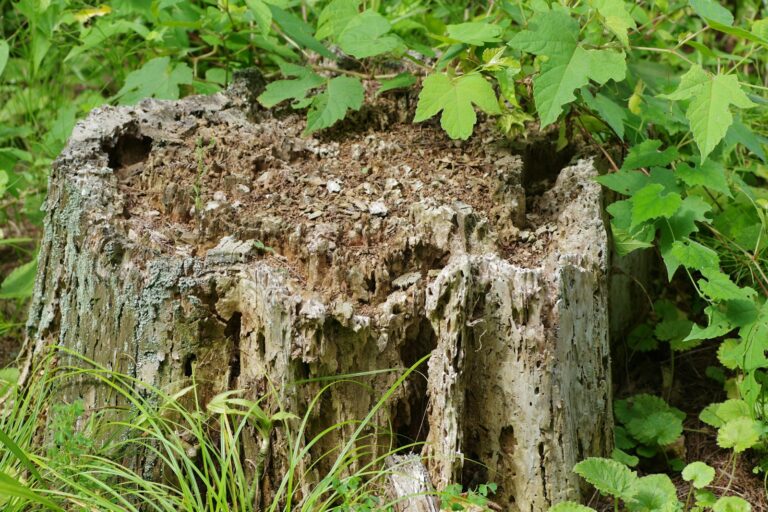
According to Bored Panda’s write-up, the oak was 89 years old and sat “well onto” the homeowners’ land. It was not a boundary tree split down the middle, and it was not a sapling. It had been growing on that spot for close to nine decades.
The neighbor’s reason for taking it down was simple. He said the tree was “too close to his shed.” He did not wait for an agreement before the oak came down, and the bill for the work came after.
Instead of an apology, the couple got a request: split the cost. The neighbor wanted them to cover half of the job that removed their own tree.
“Hell No,” and Then a Lawsuit
The homeowners’ answer, as Bored Panda put it, was “Hell no.” They refused to pay a cent toward the removal. People reading the homeowner’s first post told him he “could well have a 5-figure claim” and urged him to sue.
He did. That started what Bored Panda describes as a two-year legal battle over a single tree.
Two years later, the homeowner came back with an update saying he had won. The write-up does not list a final dollar amount in its body, so that figure stays out of this story too.
Why a Win Can Still Feel Small
Bored Panda points out that a court win in a case like this is not always a windfall. Under what lawyers call the American Rule, each side pays its own legal fees, so whatever a court awards shrinks once those costs come out. The write-up also points readers to attorney Israel Piedra’s New England Tree Law site, one of the places homeowners turn to when a neighbor’s saw crosses the line.
That means two years of legal bills can eat into whatever a homeowner recovers. The write-up says the homeowner seemed to accept that, and that he felt he had gotten justice “in the moral sense.” For many people who lose a tree to a neighbor’s saw, that part matters as much as the check.
What a Tree Like That Is Worth
Mature trees are not just shade. Researchers have spent years putting numbers on them. The University of Washington’s Green Cities research summary says larger yard and street trees “can add from 3% to 15% to home values throughout neighborhoods,” and cites a Portland, Oregon, study finding that street trees added $8,870 to a home’s sale price.
Trees also do quiet work during storms. Washington State University’s tree health program says evergreen and deciduous trees can capture or slow stormwater by intercepting and transpiring 44 to 65% of rainfall.
Tools exist to measure that value tree by tree. i-Tree, a public-private partnership funded primarily by the USDA Forest Service with the Davey Tree Expert Company, estimates benefits such as “stormwater mitigation, air pollution removal” and carbon dioxide sequestration for individual trees and whole neighborhoods.
None of that brings back an 89-year-old oak. It does help explain why courts take these cases seriously, and why the neighbor’s request to split the bill landed so badly.
A Familiar Kind of Fight
This is far from the only time a neighbor has decided a tree on someone else’s land had to go. One homeowner watched a crew start cutting his young trees before anyone realized they were on the wrong side of the line. In another case, a retired Navy SEAL faced two felony charges over one hemlock on a shared property line.
The common thread is the same one in this oak case. Where the tree stands decides whose tree it is, and cutting first and asking later tends to end in front of a judge. Some homeowners now urge every buyer to get a property survey before a line dispute ever starts.
For this couple, the oak is gone and the neighbor never got his half. After two years in court, the homeowner said he won.
This article was produced with AI assistance and edited for accuracy against the sources linked above.