‘We Don’t Have a Yard,’ Say Petersburg Homeowners Who Are Now Urging Every Buyer to Get a Property Survey
The backyard behind a South Dunlop Street house in Petersburg, Virginia, is not part of the lot the family bought, according to their own survey. Brittany Ellerbe and her husband bought the home in 2025, fenced the space for their children and later learned from a property survey that, in Ellerbe’s words, they have no yard, WWBT in Richmond reported on Nov. 18. A judge has paused any move on the fence while the family waits for a January court date.
A Gravel Patch the Seller Called a Yard
The seller had laid gravel behind the house to mark what everyone took to be the backyard. The Ellerbes, first-time buyers, turned it into a play space for their two toddlers. According to WWBT’s earlier report on Oct. 27, they swapped the gravel for grass and put up a fence for privacy at the nearly 100-year-old house.
About a year after the purchase, a realtor for the former owner of the neighboring Wilcox Street home told them their back steps and yard sat on that owner’s land, Ellerbe said. The fence had to come down, she was told, so the Wilcox Street sale could close. Months passed with no word. Then the seller showed up with a truck and workers, she said, and later a lawyer’s letter and a survey arrived. Part of the fence was taken down and used on the neighboring property.
Two Surveys, an 1853 Plat and a 1917 Deed
The neighbor’s attorneys said a survey showed the yard belonged to the Wilcox Street property. That survey was never recorded, and it placed the neighbor’s line at the alley, taking in the ground near the Ellerbes’ back steps. Ellerbe pointed to an 1853 plat and a 1917 deed and said the neighbor’s claim leaned on copies of earlier deeds. She also noted that listing photos of the Wilcox Street house showed the Ellerbes’ fenced yard.
No survey was on file for the Dunlop Street house. WWBT reported that a Petersburg judge granted a temporary injunction in early October, with the judge saying the boundary was unclear and records were missing. The order stops anyone from removing or moving the fence while the family has its own survey done. That survey, Ellerbe said, confirmed the worst: the house has no backyard. She said the result was worse than they had expected, but she praised the surveyor for clearly marking their parcel.
WWBT left contact information for the Wilcox Street homeowner and had not heard back as of its October report. Petersburg’s assessor’s office told the station the matter "appears to be a legal matter between the two property owners."
Where the Seller’s Line Came From
WWBT reported that an unnamed person familiar with the sale said the seller likely set the boundaries from old tax records rather than a survey. No court or agency has made a finding on that. The family is working with an attorney, and the title company’s responsibility is still being determined, according to the station.
The case echoes other boundary fights, such as a new couple accused of taking part of their neighbors’ yard and a family whose neighbor’s fence a boundary marking placed 11 feet over their line.
What Virginia Does and Doesn’t Require Buyers to Do
Virginia does not require a survey to buy a home, the WWBT report noted. Lauren Bradley, a licensed real estate agent interviewed by the station, said buyers should bring up a survey once they are under contract, which leaves time to review and resolve any differences before closing. Her checklist includes a deed review, title insurance and a survey. She added that Virginia is generally considered a "buyer beware" state with limited seller disclosure duties.
The state’s own disclosure form says the same thing in plainer terms. On lot lines, the Residential Property Disclosure Statement from the Virginia Department of Professional and Occupational Regulation says the owner "makes no representation with respect to current lot lines" and encourages buyers to exercise due diligence, "including obtaining a property survey." The department’s disclosure page carries the same notice.
Title insurance has limits of its own. The Bureau of Insurance’s title insurance guide says a policy does not cover losses listed in its exclusions and exceptions and tells buyers to confirm that the policy describes all of the property they are acquiring. Buyers can ask the settlement agent or an attorney to walk through those exceptions before closing.
A January Court Date and a Backyard in Question
WWBT reported that the Ellerbes are preparing to remove their belongings from the disputed space while they work with their attorney and wait for the January hearing. Their message to other buyers is to get a survey before closing, not after.
This article was produced with AI assistance and edited for accuracy against the sources linked above.
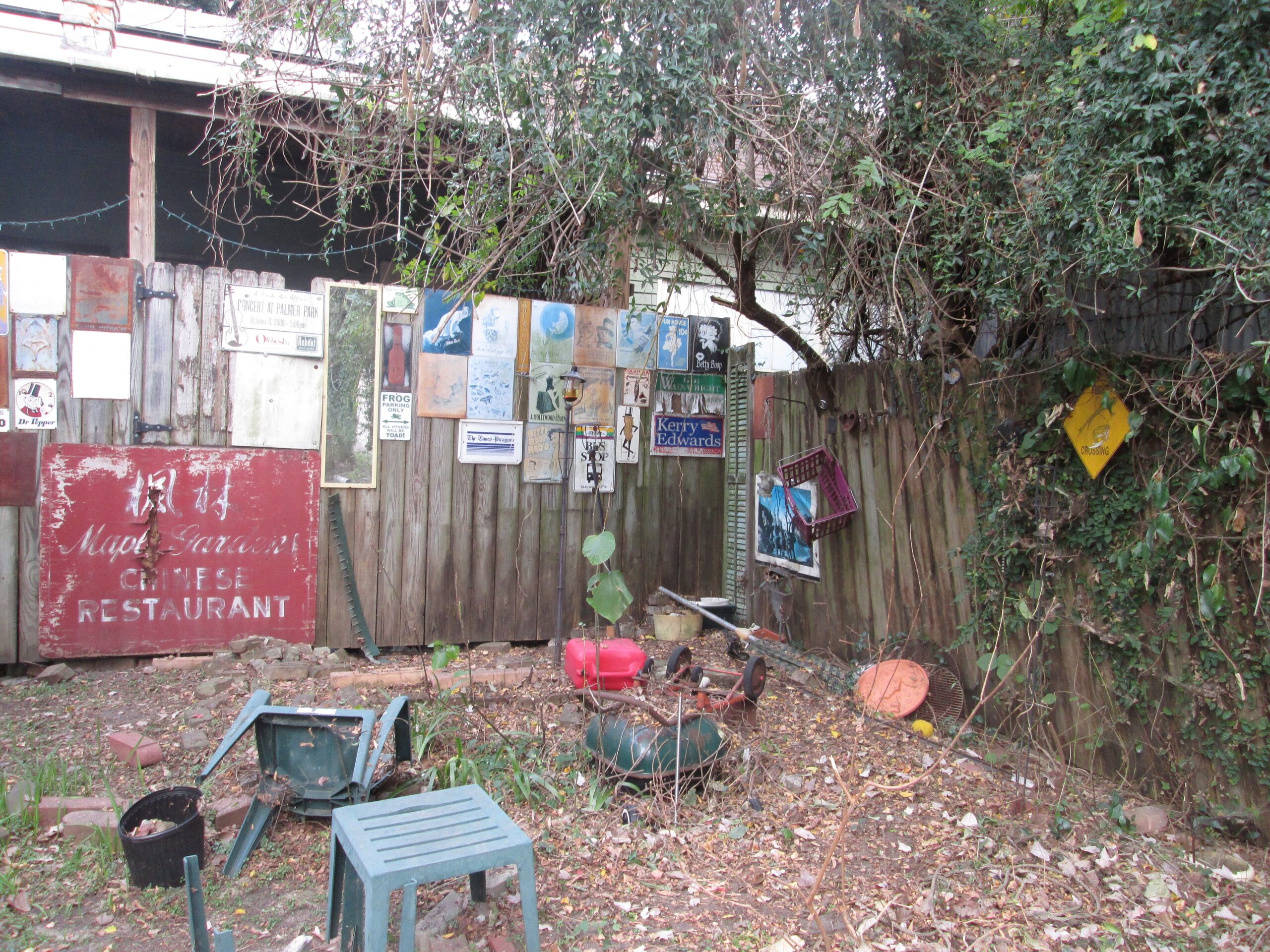
Image: Infrogmation of New Orleans, CC BY-SA 4.0, via Wikimedia Commons