Neighbors’ Guests Park 2 to 5 Cars on a Texas Family’s Yard 4 to 5 Times a Week, Right Past the ‘Do Not Trespass’ Signs
Four or five times a week, the cars show up. Sometimes two, sometimes as many as five, every one of them with all four wheels on the grass of a Texas family’s yard. The family has asked the people next door to stop at least twice, and there are “DO NOT TRESPASS” signs around the house. The cars keep coming.
The homeowner’s account was written up on November 22 by Jayne Elliott for TwistedSifter, which retold the family’s own post about the neighbors and their guests. The poster did not name a city, only the state.
A Big Lot at the End of a Small Street
According to TwistedSifter, the family moved in about two and a half years ago. The house is small, but the lot is large, with a big driveway and extra room at the front and side where cars can pull off the road.
For the first two years, nobody lived in front of them. The house sits at the end of a small street.
Late last year, the neighbors built a large house next door, and a family moved in soon after. The two households were friendly enough, the homeowner said, but they rarely spent time together.
Early this year, the new neighbors began hosting a lot of visitors. That was when the parking started.
Two to Five Cars, Four to Five Times a Week
The homeowner’s household is three people with two cars. By the family’s count, the neighbors’ guests park on their property about 4 to 5 times a week, weekends included, with 2 to 5 cars each time.
The poster described the cars sitting fully on the yard, not just nosed onto the edge. With the neighbors’ side and their own side both packed, the family said there were times they could not get out of their own house.
The neighbors also park a truck in front of their own driveway, out past the edge of the narrow street, which makes it hard for the family to back out without hitting it. The parking happens on weekends too, when the family would like to have its own guests over.
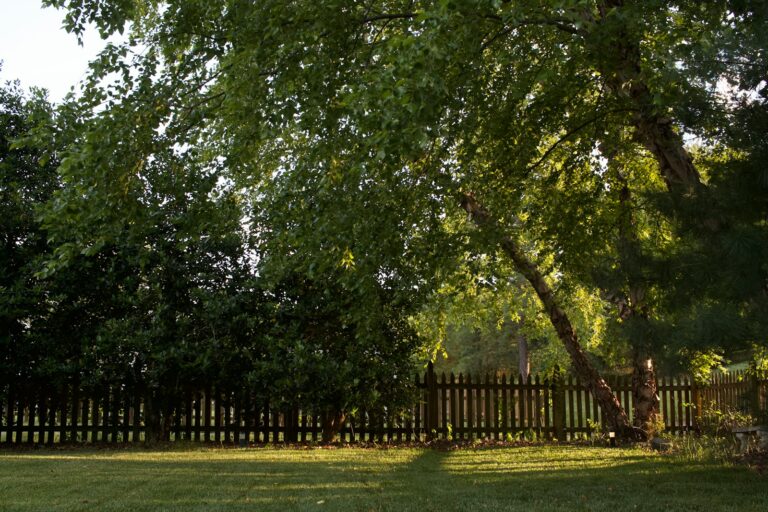
The yard itself matters here. The homeowner told readers that keeping up a lot that size is expensive. A fence runs along the property, but like most fences in the neighborhood it stops short of the front and sides, leaving open ground because of a drainage ditch. That gap is where the guests pull in.
The Signs, the Requests and a $10 Idea
The “DO NOT TRESPASS” signs went up after an earlier incident, when someone came onto the property while the poster was home alone. The family has asked the neighbors at least twice not to let their guests park there, TwistedSifter reported, and nothing changed.
The homeowner said they would not mind at all if the neighbors simply asked first. Instead, they floated a plan: a letter asking the neighbors to request permission ahead of time, along with a $10 charge for each car. If the letter fails, the family says the next step is calling police for trespassing or having the cars towed.
Not everyone in the family agrees. The poster’s aunt, who lives a few streets away, thinks the plan is too harsh. Elliott, writing for TwistedSifter, took the other side, calling a tow truck the “easy and obvious” answer and saying the parking fee was not worth the trouble. Several readers who responded to the original post also pointed to a tow truck, the outlet said, while one warned against making the neighbors pay at all.
What Texas Law Says About a Posted Yard
Texas law gives the family more to stand on than a polite letter. Under the state’s criminal trespass statute, Penal Code Section 30.05, notice that entry is forbidden can be given out loud or in writing by the owner, by a fence built to keep people out, or by signs posted on the property where intruders are likely to see them. Trespass under that section is generally a Class B misdemeanor.
Towing from a home is covered too. The Texas Department of Licensing and Regulation’s towing guidance says a homeowner who does not charge people to park may have an unauthorized vehicle towed from the home, though the agency adds that some cities also regulate towing and residents should check with local authorities.
The $10 idea could change that picture. The same TDLR guidance says a homeowner who does charge for parking can tow without notifying police only if the property carries signs that meet the requirements of Section 2308.252 of the state’s towing law. A family that starts collecting parking money could, in other words, take on extra sign rules before it can call a tow truck. Section 2308.252 of the Texas Occupations Code allows a tow from a parking facility when compliant signs have been up at the time of the tow and for the 24 hours before it, or when the driver has been given actual notice that the car will be towed. The agency’s towing program page notes that tow companies and operators in Texas must be licensed by the state.
Drivers on the other end have protections as well. TDLR’s consumer information page lists a statewide cap of $272 for towing a vehicle up to 10,000 pounds from private property, and says a driver who believes a tow was wrongful can ask for a hearing at the local Justice of the Peace court within 14 days, not counting weekends and national holidays.
A Front Lawn That Isn’t a Parking Lot
For now, the family’s next move is the letter. The signs are already up, the requests have already been made, and the grass is still taking the weight of other people’s cars several times a week.
Disputes over who uses a yard tend to turn on the same few things: where the line is, whether it was marked, and whether anyone asked. This site has covered neighbors who turned a shared driveway into a personal parking lot and a fence fight where a Missouri homeowner’s neighbors dug a trench onto her land. In this case, the family has done the marking and the asking. What happens next depends on whether the neighbors read the letter, or the tow truck has to deliver the message instead.
This article was produced with AI assistance and edited for accuracy against the sources linked above.
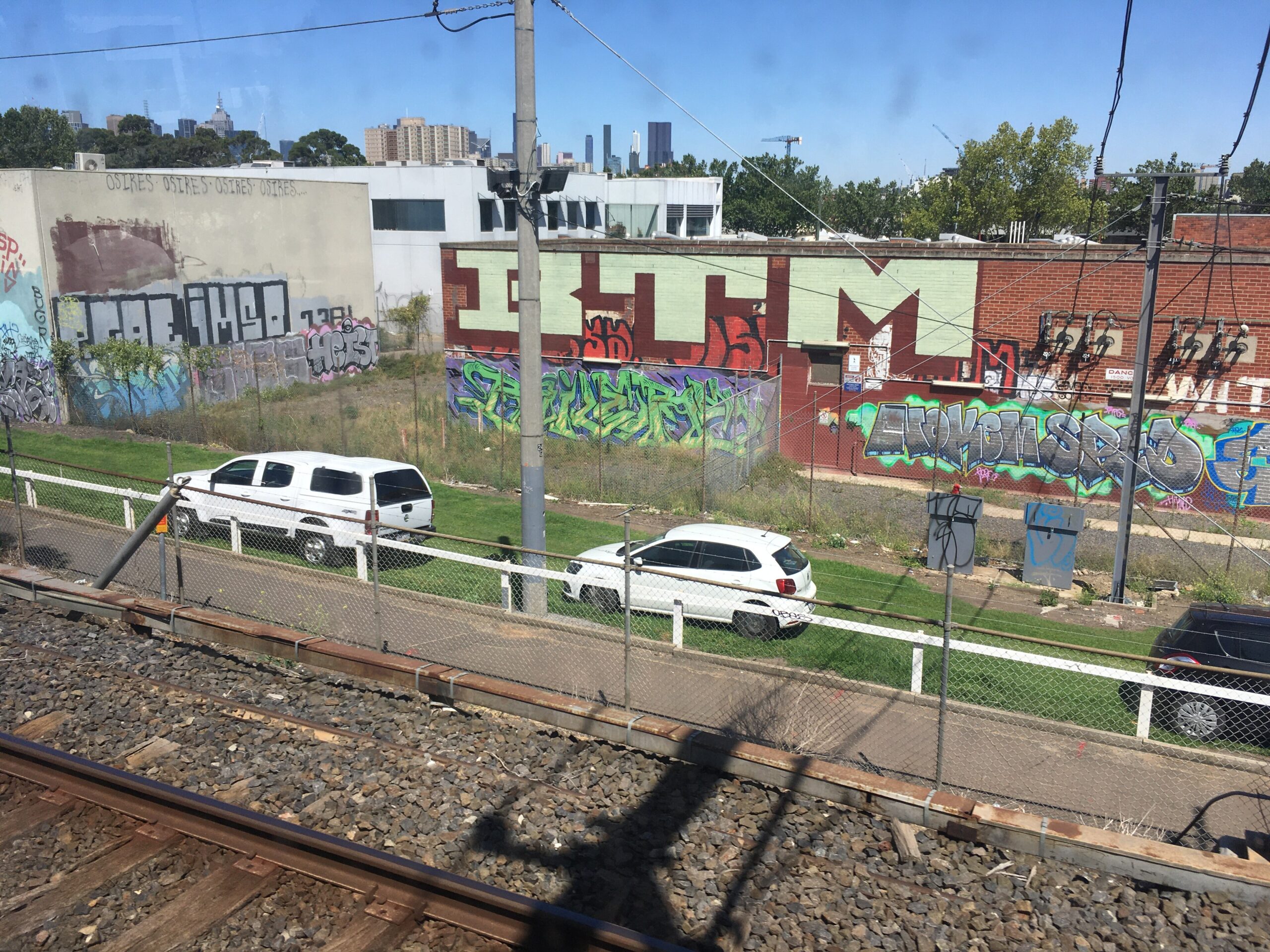
Image: Philip Mallis – CC BY-SA 2.0/Wikimedia Commons