A Utility Crew Let Itself Into a Homeowner’s Locked Backyard While He Was Away and Cut Down 11 Trees, Including 9 Mature Crape Myrtles
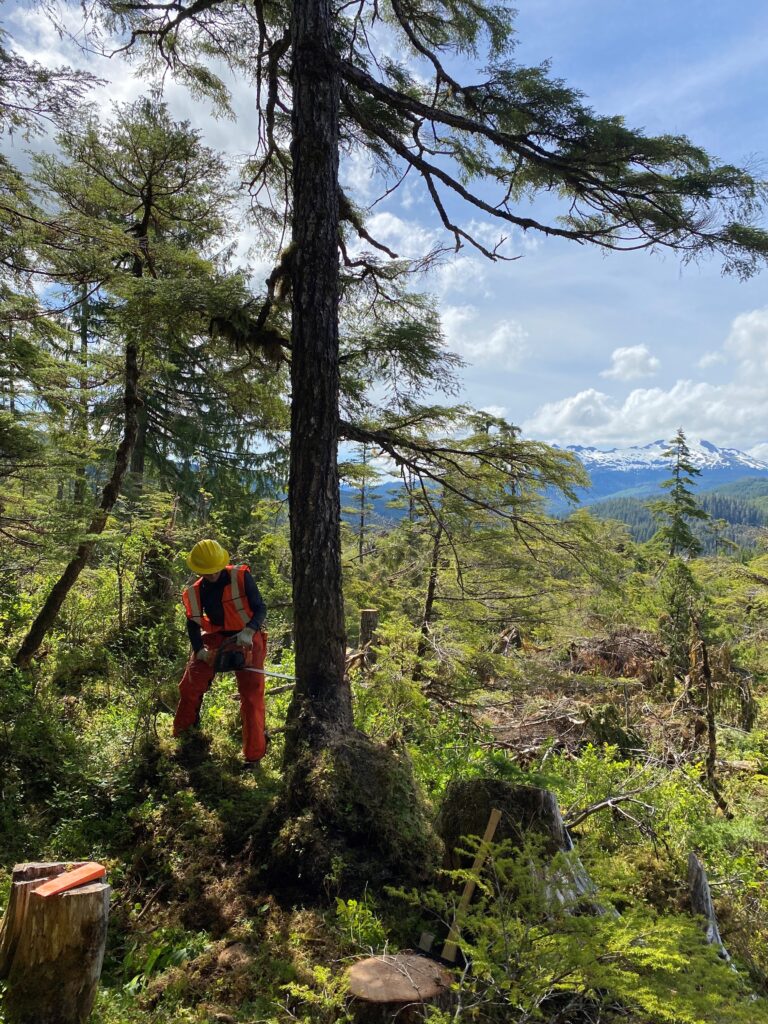
Nine mature crape myrtles and two older trees, roughly 20 years of growth that screened a backyard from the street, were gone by the time the homeowner got back. According to The Thrifty Apartment’s Oct. 19 report, a utility crew entered the locked backyard while the owner was away and removed 11 trees without a phone call or any conversation beforehand.
The homeowner’s account raised a question many property owners never think about until it happens: when can a power company come onto private land and take trees, and what does it owe the owner afterward?
Eleven Trees and 20 Years of Privacy
The trees were not saplings. The outlet reported that the crape myrtles and the two older trees had been growing for about 20 years and provided privacy from the street. With them gone, the backyard was suddenly open to view.
Two decades is long enough for a crape myrtle to reach real size. Clemson University’s Home & Garden Information Center says the trees range from 10 to 30 feet tall and 15 to 25 feet wide, that “old specimens can reach 40 feet at maturity,” and that they grow at “a moderate to fast rate” with a moderate to long life span. It also notes that certain selections can be planted under utility lines “without fear of interfering with these lines.”
The Thrifty Apartment did not name the utility, the city or the state, and it did not report what the crew said it was clearing the trees for.
A Locked Gate and No Phone Call
The homeowner’s account centered on the lack of warning. There was no call, no conversation and no advance notice before the crew went through the locked backyard and started cutting.
The Thrifty Apartment was careful to note that the lack of permission alone does not prove the company broke the law. Many properties carry utility easements, sometimes recorded in deeds or other property documents, that give power companies the right to come onto the land to maintain lines.
Utilities and trees have collided often on this site, from DTE yard trees marked with a white X in the Grosse Pointes to the roughly 450 trees Eversource tagged along Francestown’s scenic roads.
What States Require Before the Saws Start
The rules on notice depend heavily on where a home is. In Indiana, the Indiana Utility Regulatory Commission requires the investor-owned electric utilities it regulates, including Duke Energy, Indiana Michigan Power and NIPSCO, to give affected property owners notice at least two weeks before scheduled trimming. The commission advises that “the best time to resolve a dispute is before any trimming actually occurs.”
Ohio is different. The Ohio Consumers’ Counsel says state law requires utilities to keep their lines safe and lets them trim or remove branches or whole trees in the right-of-way, even on private property, when they could damage lines or interrupt service. Advance notice is not required, though utilities often send a letter or door hanger, sometimes weeks and sometimes only days ahead. The office adds that “advanced notice is extremely rare for emergency situations” such as storm restoration.
The same fact sheet says utility workers or contractors may enter private property to inspect or trim vegetation under an easement that stays with the deed, and that line clearing typically opens several feet around a line to last 3 to 5 years. For the service lines that run from poles to individual houses, crews usually remove only branches growing on or through the insulated wires. Removing whole trees, as happened here, goes well beyond that kind of routine trimming.
The Ohio fact sheet also points out a cost many homeowners miss: because the trees belong to the property owner, removing the debris after utility work may be the owner’s responsibility and expense.
No Federal Rule Says the Trees Come Back
Compensation is not automatic either. The Thrifty Apartment reported that federal reliability standards require utilities to manage vegetation near transmission lines but do not require them to cut down every tree near the lines, and do not require them to replace vegetation they remove. Any right to replacement or payment would have to come from state law, local rules or the terms of the easement itself.
The outlet’s suggested steps for a homeowner in this position were practical: document the stumps and any damage with photos, check the deed, survey and county land records for an easement, ask the utility what legal authority it relied on and request a copy of the easement, and file a complaint with the state public utility commission if the company will not resolve it. In Ohio, complaints go to the Public Utilities Commission of Ohio; in Indiana, to the IURC’s Consumer Affairs Division.
Choosing Trees That Can Stay
For anyone replanting near lines, the advice from tree groups is to plan for the mature size from the start. The Arbor Day Foundation says “it is important to know what the tree will look like as it nears maturity” before planting, so trees are placed to avoid collisions with power lines and buildings.
That will not bring back 20 years of growth. For this homeowner, a backyard that had been private for two decades now sits open to the street, and the answer to whether the utility had the right to do it likely lies in the deed, the survey and any recorded easement.
This article was produced with AI assistance and edited for accuracy against the sources linked above.
Image: Alabama Extension – CC0/Wikimedia Commons