An Oregon Homeowner’s 65-Year-Old Neighbor Climbed the Fence and Cut Down 12 Arborvitae. Now He’s Complaining About Her Brush Pile.
The neighbor is 65, retired, and about two years ago he climbed over a fence and cut down 12 of an Oregon homeowner’s arborvitae. Recently he came back to complain about the homeowner’s brush pile.
The account comes from the homeowner, as Cheezburger’s FAIL Blog published it on Nov. 12, 2026. Neither person is named. The homeowner decided not to press charges over the trees, regrets that now, and says Oregon’s tree law could put a bill of triple damages on the neighbor.
The Trees That Did Not Take, and the Fence He Climbed
The homeowner lives on several mostly wooded acres in Oregon. One patch borders the backyard of the retired neighbor. About two years before the post, the homeowner had planted arborvitae along the line and transplanted more into that patch. According to the FAIL Blog write-up, some of the transplants did not take and died.
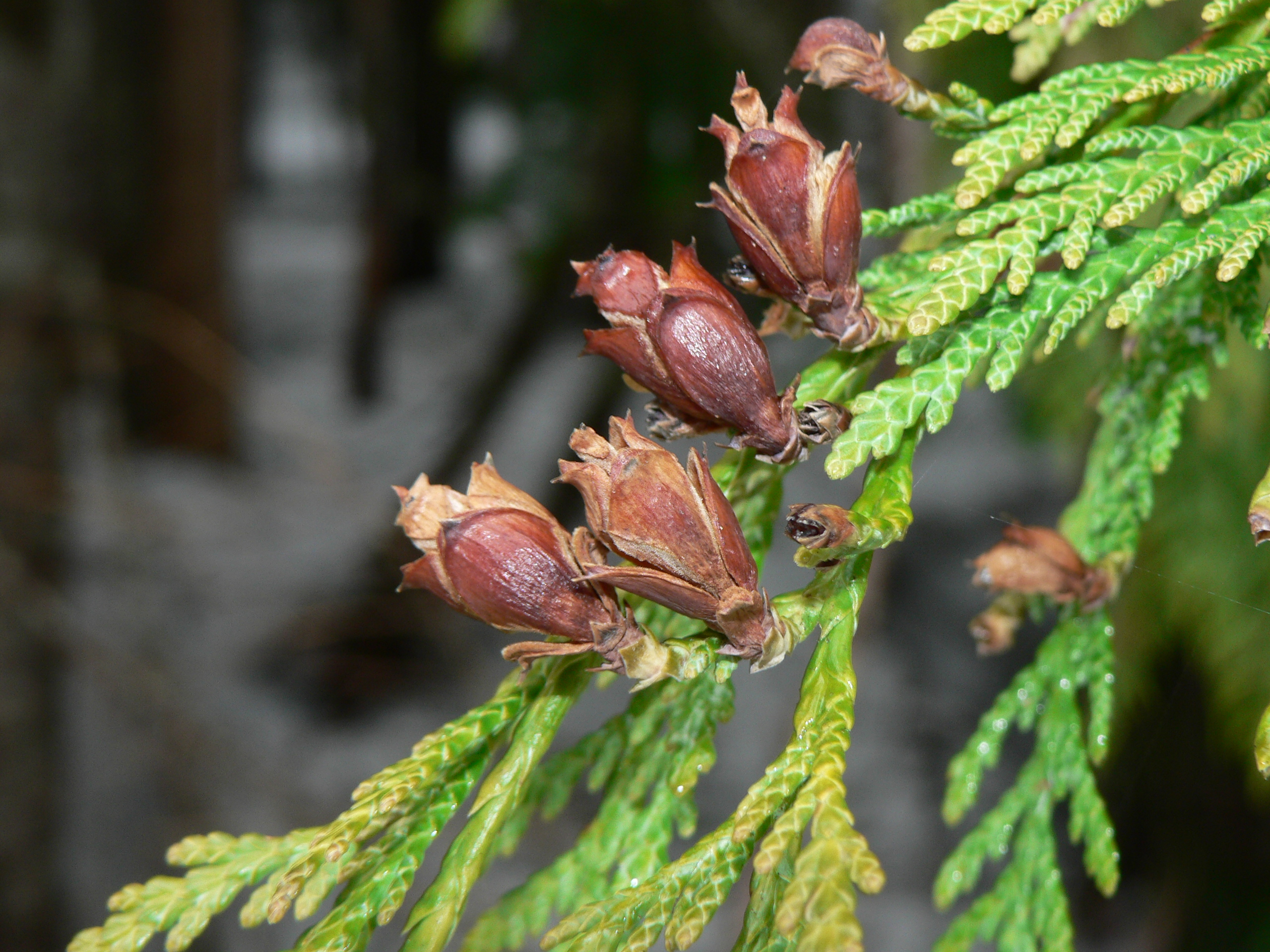
That is not unusual for the plant. Oregon State University Extension’s guidance, from retired horticulturist Neil Bell, says arborvitae want full sun and well-drained soil, and that even established plants still need a soak every two to three weeks in dry spells. Bell’s guidance also warns that the plant does not regrow from bare stems, so a cut tree is a lost tree.
Then, the homeowner wrote, the neighbor climbed over the fence and cut 12 of the trees down. The homeowner described the act as a felony, with one count per tree, and said the neighbor had been left alone because prison for a 65-year-old man did not seem like the right outcome. The FAIL Blog piece does not mention a police report, and the felony claim is the homeowner’s own reading of the law.
So no charges were filed, and no one paid for the trees. In the five years the two have been neighbors, the homeowner said, the man has spoken to the homeowner mainly to complain about something on the property. The site has covered a similar case this fall, in which half a row of 27-year-old arborvitae was cut down by a friend of a neighbor who wanted a fence.
A Pile Ten Feet Wide and Fifty Feet Long
The latest complaint is about brush. According to the account, the homeowner had been clearing land and hauled enough debris to fill several trailers. It went into a pile in the back corner of the property, where it was meant to break down until it could be taken to a disposal site the following year.
The homeowner put the pile at roughly 10 by 50 feet and five or six feet high. By the homeowner’s numbers, it sits about 30 feet from the neighbor’s property line and another 30 feet from the neighbor’s house.
The neighbor confronted the homeowner, calling the pile an eyesore and a winter fire hazard, and said he would call the fire department. He also pressed the homeowner to be a better neighbor, since the homeowner had once promised to be one.
The homeowner’s answer was that not reporting the tree-cutting had been the better-neighbor move. The homeowner now says that choice was a mistake and that the neighbor should have faced the consequences.
What Oregon’s Tree Law and Fire Guidance Say About Both Sides
The homeowner’s research, added to the post as an edit, points to a statute with real teeth. ORS 105.810, in Chapter 105 of the Oregon Revised Statutes, covers a person who without lawful authority willfully cuts down or damages trees, timber or shrubs on another’s land. The owner who wins gets a judgment of treble the damages. Once the owner shows ownership and the cutting, the law presumes the act was willful, intentional and without consent. A court may also award litigation costs, including attorney fees, and reforestation costs.
The homeowner estimated that replacing 12 roughly 20-year-old arborvitae, with planting, watering and upkeep, would come to a large figure before the multiplier. The homeowner also said the statute of limitations is six years. That is the homeowner’s claim. The damages section is about what a court awards, and a filing deadline or a valuation for older trees is a question for an Oregon attorney.
The neighbor’s side has some support in fire guidance, though not on the specifics. A 2024 OSU Extension publication by Lauren Grand says firewood and other flammables should sit at least 30 feet from structures. It also says most homes burn when embers land on debris or flammable material near the house. By the homeowner’s numbers, this pile is at or beyond that distance from the neighbor’s house, but the pile is large, and the guidance treats piles as fuel.
The same publication lists ways to deal with woody waste: chipping, hauling it away, composting it outside the home ignition zone, or burning it. It says to avoid burning during fire season, to contact the local Oregon Department of Forestry office or rural fire district first, and that late fall and winter carry the lowest risk.
The Oregon Department of Forestry’s post-fire-season bulletin prefers composting or recycling over burning. If a burn is chosen, it calls for piles no larger than 4 feet by 4 feet, a 10-foot buffer cleared to mineral soil, and someone watching until the pile is out cold. A 10-by-50-foot pile is far beyond that size, so it is something a homeowner would need to haul or chip rather than burn. The bulletin also warns that a debris burn that gets out of control can leave the person liable for suppression costs and damage to neighboring property.
Whether the homeowner collects on the trees is still open. The post says only that the homeowner may pursue it.
This article was produced with AI assistance and edited for accuracy against the sources linked above.
Image: Walter Siegmund (talk) – CC BY-SA 3.0/Wikimedia Commons