NC State Extension Says Daffodils Planted in December Still Bloom if They Get at Least 12 Weeks Below 40 Degrees, So Finishing by New Year’s Matters
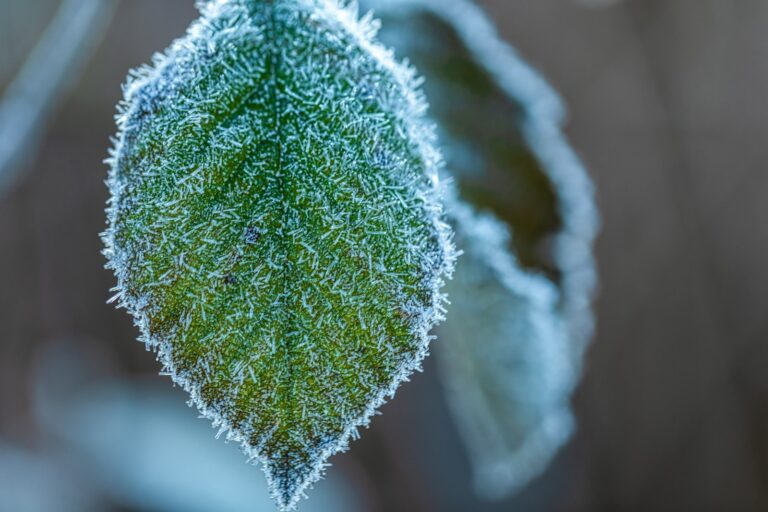
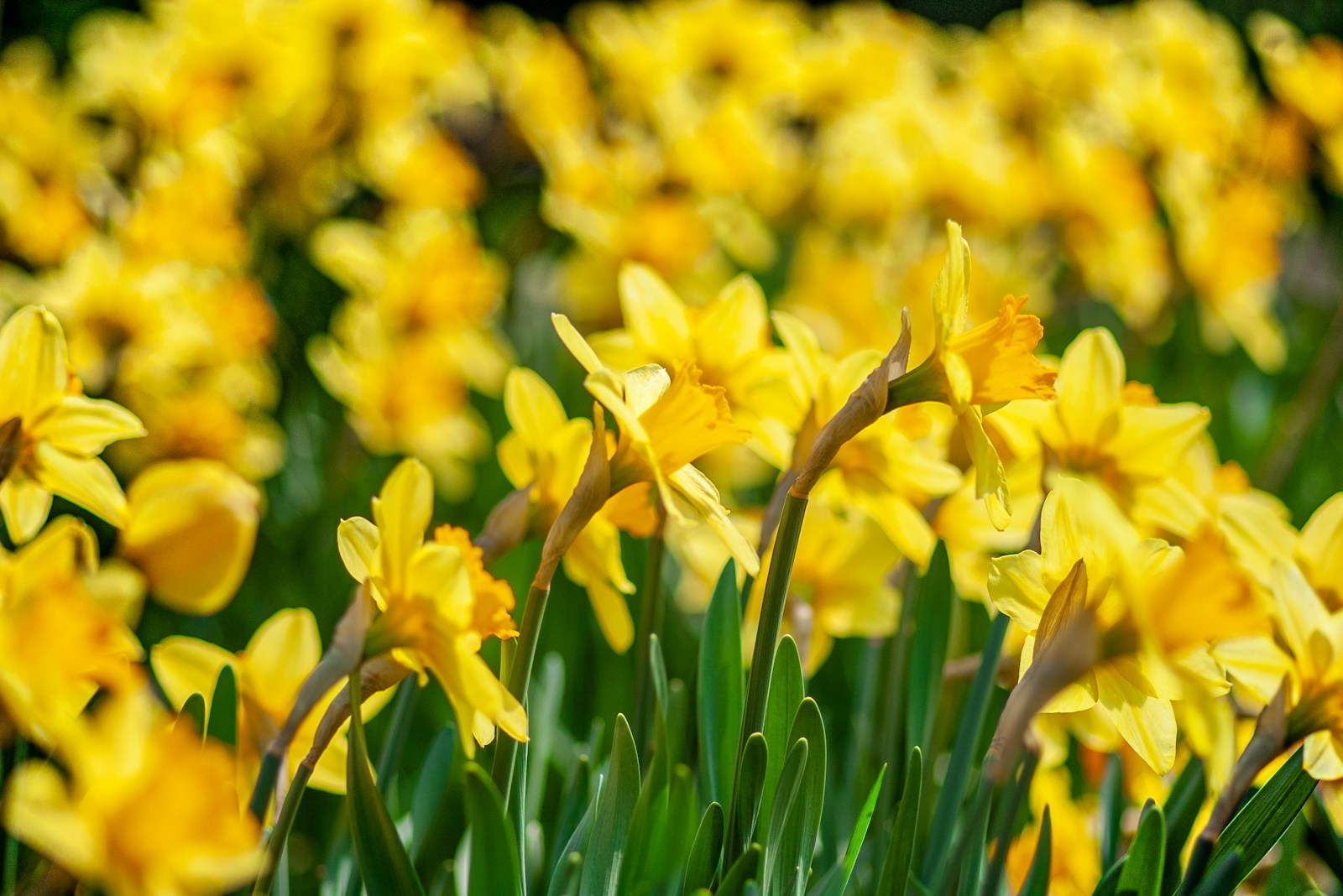
Daffodil bulbs still sitting in a bag at the end of November are not a lost cause. NC State Extension in Henderson County reports that spring-flowering bulbs such as daffodils can still be planted in December and go on to flower, but they need at least 12 weeks of chilling below 40 degrees to do it. That cold requirement is why one public garden in western North Carolina aims to finish its planting before Christmas or New Year’s.
The guidance comes from John Murphy, horticultural director at Bullington Gardens, in an article by Extension agent Steve Pettis Jr.
Why 12 Weeks Below 40 Degrees Sets the Deadline
Murphy said it is not too late to plant spring bulbs in December, but the job should be done fairly soon, according to NC State Extension’s Henderson County Center. Bulbs need a minimum of 12 weeks below 40 degrees to grow and flower. Bullington aims to have its remaining bulbs in the ground before Christmas or New Year’s so they get enough chilling before spring.
Jessica Strickland, an Extension agent with N.C. Cooperative Extension in Wayne County, puts the range at 12 to 16 weeks of cold for most spring-flowering bulbs. In her fall bulb guide, she writes that bulbs without enough chill tend to have shorter stems and bloom close to the ground. She says planting typically begins in November, once the soil temperature has dropped below 60 degrees.
Why Daffodils Are the Safer Late Bet
Murphy noted that daffodils reliably return year after year, while tulips often do not return well because voles eat them. Tulips need a protected bed or container to persist, and some gardeners treat them as annuals. The Henderson County article also lists alliums, fritillaria, foxtail lilies, dwarf irises, hyacinths and chionodoxa among other spring bulbs worth planting.
NC State’s Extension Gardener Plant Toolbox lists daffodils as hardy in USDA zones 4a through 8b and resistant to both deer and rabbits. The toolbox gives a planting depth of 8 inches, with bulbs spaced 2 to 3 inches apart for 10 to 12 bulbs per square foot, and recommends groups of at least six. Daffodils grow in full sun to partial shade and prefer acidic soil with good drainage, the toolbox says. Depending on the cultivar, blooms can appear anywhere from December to May, with each plant flowering for two to three weeks.
Planting Depth, Spacing and Fertilizer
For bulbs without a label, Strickland’s guide suggests a depth of about 3 to 4 times the bulb’s width, measured from its base. Large bulbs go 3 to 6 inches apart and small bulbs 1 to 2 inches apart.
Daniel Simpson, County Extension Director in Pamlico County, says in an NC State Extension article that bulbs bought in September or October should be kept in a cool spot until planting. He adds that fertilizer will not improve this season’s blooms but helps in future seasons, and recommends a 10-10-10 fertilizer, either mixed into the soil as a slow-release product at planting or applied as a soluble quick-release product at planting and again when shoots emerge. Extra phosphorus from bone meal or superphosphate can encourage root growth, and a soil test will show whether it is needed.
For large plantings, Murphy said Bullington digs out a whole section with a shovel and packs it with bulbs rather than relying on a bulb planter for each one.
The Same Late-Planting Rule Farther North
The December window is not only a Southern idea. William B. Miller, director of Cornell University’s Flower Bulb Research Program, said planting can continue into December in central New York until the ground freezes, according to the Cornell Chronicle. Miller said bulbs root readily when soil temperatures are between 40 and 50 degrees, and that late planting is better than not planting at all.
Gardeners choosing varieties can look at the site’s roundup of daffodils that naturalize, and anyone thinking about pots indoors can read about the cold weeks hyacinths and daffodils need for forcing. Those in warmer regions can also check the guide to what to plant in November in zones 7 to 10.
This article was produced with AI assistance and edited for accuracy against the sources linked above.