Port Arthur Is Warning Homeowners That Parking on the Lawn Is One of the Code Violations That Can Bring Fines of Up to $2,000 a Day
Up to $2,000 a day is what some code violations can cost in Port Arthur, Texas, and the city has put parking on the lawn on its short list of offenses it wants residents to know about. Illegal dumping and zoning problems make up the rest of the list. The reminder went out on the city’s Facebook page and drew a wave of comments from residents who want to know how often the rules actually get enforced.
KFDM reported on Oct. 28 that the city is pairing the warning with an open house where residents could question code enforcement staff directly.
Three violations the city singled out
The city’s post named three problems: vehicles parked on a lawn, illegal dumping and zoning issues. Christian Smith, Port Arthur’s environmental health inspector supervisor, told KFDM the city’s approach starts with education: residents get the information first, and enforcement follows.
On dumping, Smith described people hauling trash or construction debris to vacant lots elsewhere in town. He said the city is enforcing those cases and now has cameras watching for dumping.
He also explained why cases move slowly, saying the city has to make sure residents get their due process. He told the station the city goes to court once a month, with five to 10 cases heard that day.
Where the $2,000 figure comes from
Texas law sets the ceiling on what cities can charge. Under Section 54.001 of the Texas Local Government Code, the general maximum fine for breaking a city ordinance is $500. The cap rises to $2,000 for rules that govern fire safety, zoning, or public health and sanitation. Rules on dumping refuse can carry fines of up to $4,000.
That is why a city violation that looks small, like a car or truck left on the grass, can sit in the same higher fine range as zoning and sanitation rules when a city writes it that way.
Port Arthur is not alone in keeping vehicles off lawns. In Round Rock, near Austin, a city brochure on yard parking says vehicles in front and side yards must sit on paved surfaces “and not on the lawn.” Approved surfaces there include asphalt, concrete, brick and pavers, while new gravel parking areas are not allowed. Round Rock also caps paved parking at 50 percent of a front yard, or 25 percent on a corner lot.
What parking does to the grass itself
For homeowners, the fine is only part of the cost. Vehicles are one of the main causes of compacted lawn soil, according to University of Vermont Extension. Compaction squeezes soil particles together and cuts the pore space roots need for air and water.
UVM Extension says the signs include hard, cracked ground that is difficult to dig, standing water after rain, and grass that grows in thin or discolored. Driving on a lawn when the soil is wet makes the damage worse.
The UMass Extension turf program says compaction lowers soil oxygen, slows the rate water soaks in and leaves soil wetter for longer. Its fact sheet recommends core aeration during peak growth in early spring or early fall, with three to four weeks of good growing weather afterward for the lawn to recover. For heavily compacted spots, UMass suggests tighter tine spacing and cores 2.5 to 4 inches deep.
UVM Extension adds a few low-cost fixes for worn patches: aerating with a pitchfork, leaving chopped grass clippings or leaf mulch on the lawn to build organic matter, and topdressing with about a quarter to half an inch of compost or sand. It also suggests mowing high, keeping grass at least 3 inches tall to encourage deeper roots.
Compaction also affects what happens after a storm. With less air space in the soil, UVM Extension notes, rain soaks in more slowly and more of it runs off the yard, carrying sediment and pollutants toward storm drains and nearby waterways. In a Gulf Coast city like Port Arthur, that runoff is one more reason a strip of packed, bare ground along the curb is worth fixing.
Residents question how often rules get enforced
Not every comment on the city’s post was about the fines. Some residents asked whether enforcement happens often enough. One commenter, quoted by KFDM, wrote that they had reported improper dumping multiple times without seeing any response.
That frustration is not new. In 2024, The Port Arthur News reported that the city’s code enforcement director, Darlene Thomas-Pierre, told the local Rotary Club her department works under state law. She addressed a common belief that owners can keep their property however they like because it belongs to them.
Disputes over yards and city rules have played out in other towns this fall, including the case of a Tennessee gardener whose native plant garden and oak were mowed down by East Ridge after his appeal went missing. Seasonal rules can bite too, as Ohio homeowners found when the state’s daytime burn ban on leaves and yard waste took effect Oct. 1.
What Port Arthur homeowners can do now
The city held its code enforcement open house at the Development Services office on Thursday, Oct. 29, from 9 a.m. to 3 p.m., according to KFDM. Residents with questions about a notice, or about a neighbor’s property, can contact the city’s code enforcement office through Development Services.
For anyone who has been parking on the grass, the simplest step is to move the vehicle to the driveway or another paved surface before a notice arrives. If the lawn already shows bare, hard ruts, UMass Extension’s guidance points to early spring as the next good window to aerate, giving the damaged strip several weeks of growing weather to recover.
Get stories like this by email. Sign up for The Parent Diaries Letter.
This article was produced with AI assistance and edited for accuracy against the sources linked above.
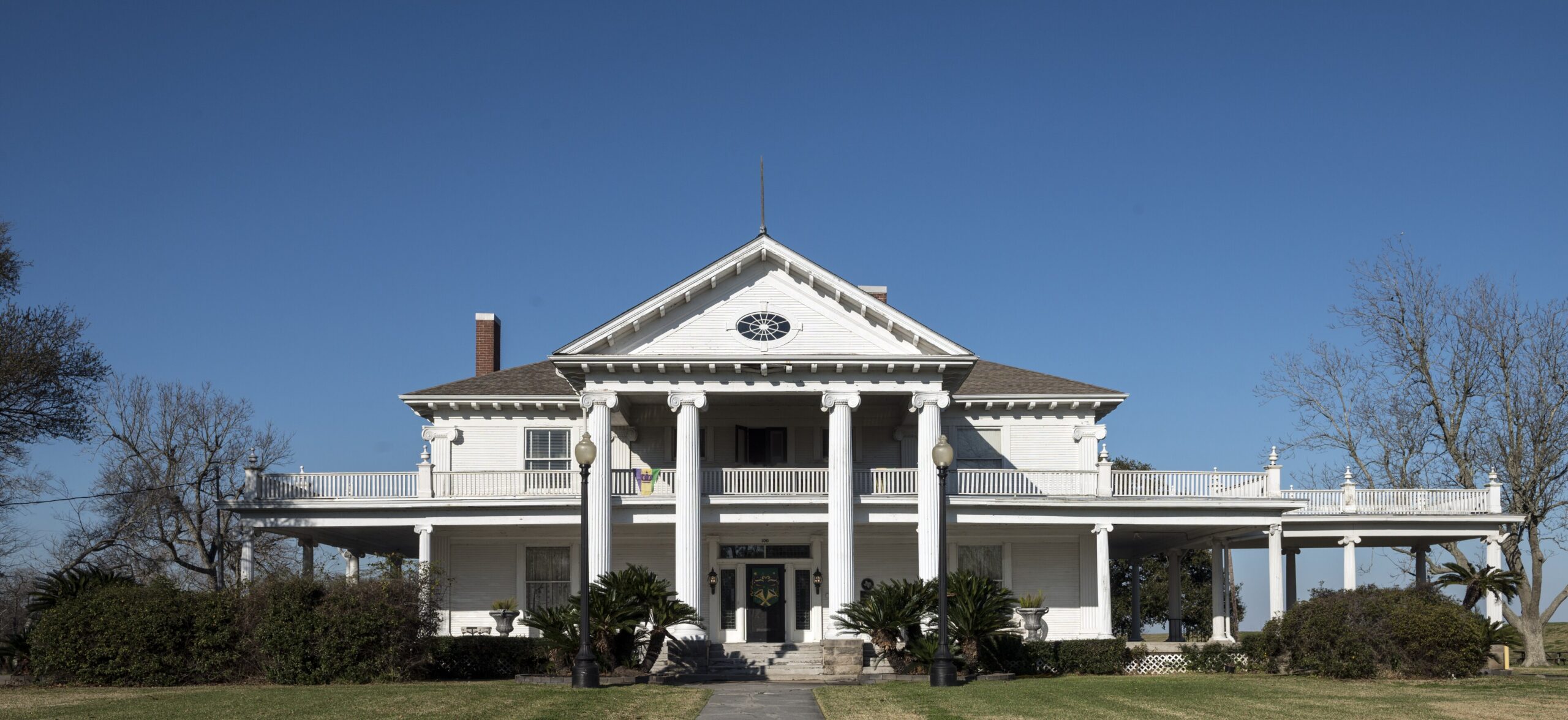
Image: Carol M. Highsmith – Public domain/Wikimedia Commons