Vermont Scientists Are Firing Ropes Into Black Ash Trees With a Slingshot to Save Seeds Before a Beetle Wipes Them Out
A slingshot large enough to lob a weighted rope over the top of a tree is now one of the more important tools in New England forest conservation. In Hardwick, Vermont, scientists used one to shoot a rope into the canopy of a black ash near the Lamoille Valley Rail Trail, then pulled on the line to shake the branches so seeds dropped onto tarps spread below. The harvest, reported by Abagael Giles of Vermont Public and carried by Connecticut Public on November 12, 2026, is a race against the emerald ash borer, a beetle that kills ash trees and has already reached the region.
Brooke Fleischman of the Intervale Center in Burlington, who led the crew, said this may be the last chance to collect black ash seed in Vermont before the beetle eliminates the species in this part of New England.
A Rope Over the Canopy and Tarps Below
The method is simple in outline. A slingshot carries a weighted line up and over a high limb, and a person on the ground pulls it back down to shake the tree. The Vermont Land Trust describes the same approach in a June 2026 account of the statewide ash seed project: collectors use “big shots,” giant slingshots that carry a line over the tree, and tarps catch the seeds as the branches are pulled.
The target is large. Fleischman said the crew aims to gather at least 1,000 seeds from each individual tree. The Vermont Land Trust says the collection happens in the fall, after teams spend spring and summer assessing the health of identified ash trees. Seeds are taken only from confirmed healthy female trees.
Why This Year Is the Window
Black ash does not make seed every year. According to the Vermont Public report, it seeds in cycles of every four to eight years, and 2026 is a mast year, the term for a season of unusually heavy seed production. The Vermont Land Trust had predicted in June that 2026 could begin a mast year, noting that the last large seed year was 2022.
The urgency comes from the tree’s lack of defenses. A University of Vermont Extension article by Ginger Nickerson said black ash has no resistance to, or tolerance for, emerald ash borer, which was already in several Vermont counties when it was published in 2022. Vermont’s black ash project says the species fills a unique ecological role in wetlands by absorbing large amounts of water, and warns that without intervention from scientists and land managers it could disappear from the state’s landscape.
Fleischman told Vermont Public that there is a lot of concern about whether another chance will come.
Where the Seeds Go
The crew included people from the Intervale Center, Vermont Land Trust, The Nature Conservancy, Northwoods Stewardship Center, the state Forests, Parks and Recreation department, Smokey House Institute, Forest Stewards Guild, Ecological Research Institute and the University of Vermont, according to the report.
The seeds go first to the University of Maine lab of John Daigle in Orono. Daigle is a forestry professor, a citizen of the Penobscot Nation and a basketmaker who learned the craft from his grandparents. He helped found the Ash Protection Collaboration Across Waponahkik, an effort by Indigenous nations in New England and eastern Canada to save seed and breed trees that can withstand the beetle. Collaborators include scientists from the Saint Regis Mohawk Tribe in New York and Penobscot basketmakers, and they plan to study the seeds’ genetics for natural resistance.
Some Vermont seed will go to black ash nurseries on Indigenous nations in Maine and New York, and some to a seed-saving facility in Iowa for long-term storage. Daigle noted that breeding has worked for other trees: Midwestern scientists have bred green ash with better resistance to the beetle, and Vermont researchers are breeding American elms that can survive the fungus behind Dutch elm disease.
A Tree Woven Into Wabanaki Life
Black ash is the material for traditional basketry. Indigenous people have woven baskets from it in Vermont and southern Quebec for thousands of years, the report says, and its Abenaki name is mahlakws. Isaak Lachapelle-Gill, an Abenaki land guardian from Odanak, called it central to Wabanaki identity and said “the Wabanaki nations were born from the black ash tree,” describing it as “like a family member.”
The loss of the tree would end more than a craft supply. The UVM Extension article warned that if the species disappeared, the cultural traditions associated with it would be lost too. A Maine Public report from April, republished by Vermont Public, described Passamaquoddy forester Tom Newell saving seeds and stockpiling ash, calling it scary, while his cousin, basket maker Gabriel Frey, argued that trees should stay standing for future generations. Maine’s first beetle sighting came in 2018, that report notes, and the insect is spreading rapidly there.
Why Foresters Are Asked to Leave Some Ash Standing
Many New England land managers consider the loss of ash inevitable, according to the Vermont Public report, and advise owners to harvest healthy ash for timber or firewood or replace them with other species. Daigle cautioned that cutting every ash would remove the chance of finding a more resistant one. He and Lachapelle-Gill urged leaving some female black ash standing so their seed or the trees themselves can be tested.
About 400 black ash are growing in a nursery in Odanak, and Daigle hopes a single resistant tree could eventually repopulate Northeastern forests so future generations can learn basketmaking. As the Vermont Land Trust’s forester Caitlin Cusack put it in June, emerald ash borer “doesn’t mean the end of ash in Vermont.”
This article was produced with AI assistance and edited for accuracy against the sources linked above.
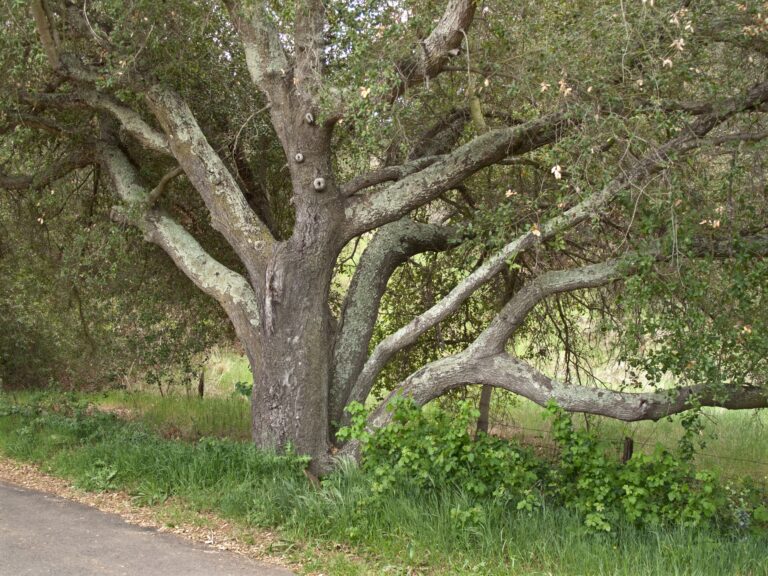
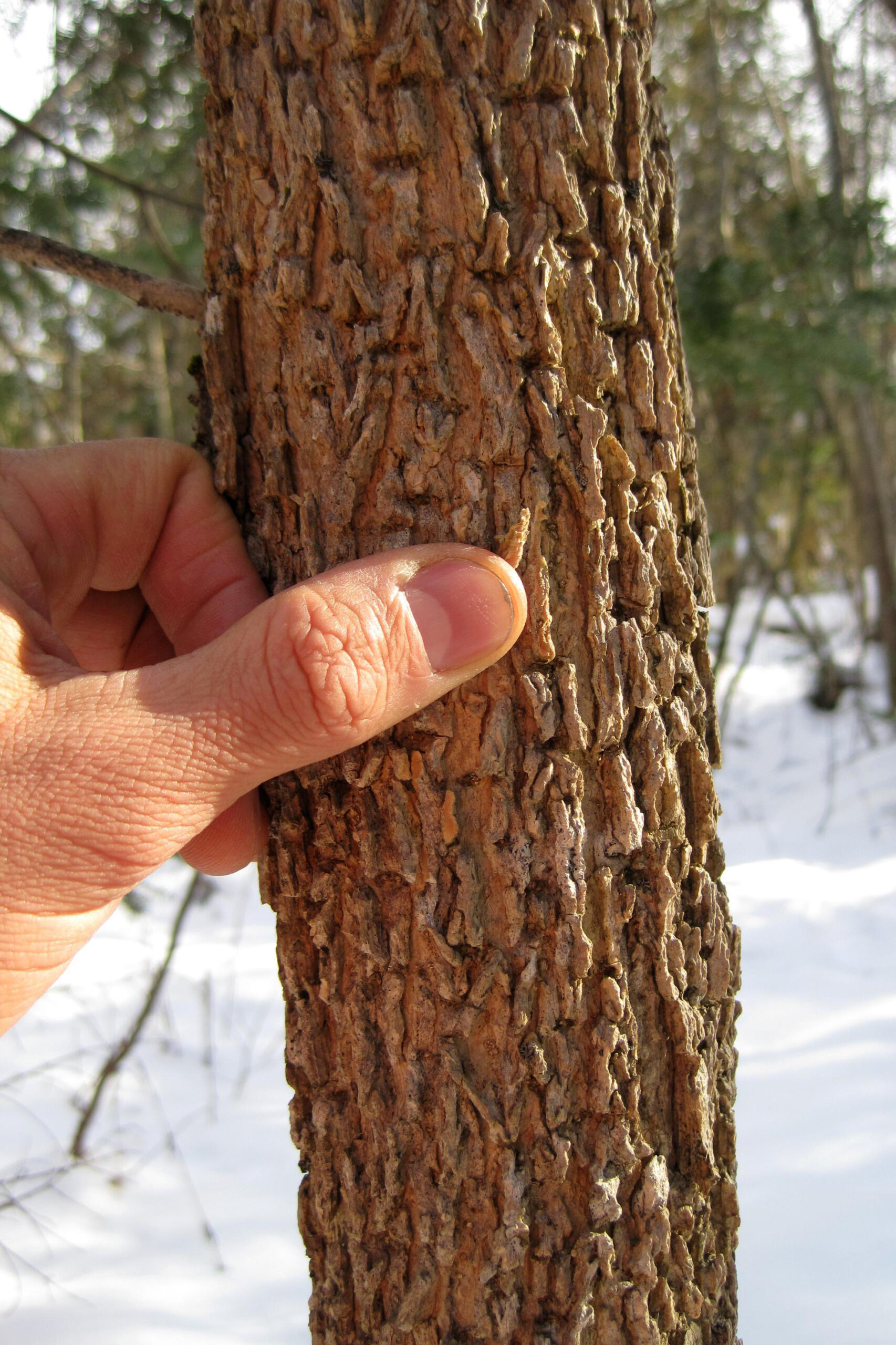
Image: Rob Routledge, Professor, Sault College Natural Environment & Outdoor Studie – CC BY 3.0 us/Wikimedia Commons