Neil Heuer Has Spent More Than $70,000 on a 60,000-Light Show Outside His Waxhaw Home. His HOA Found Him in Violation, So He Sued.
Every holiday season, the front of Neil Heuer’s house in Waxhaw, North Carolina, turns into a light show. More than 60,000 lights, animated figures and music fill the yard, and Heuer estimates the hobby has cost him more than $70,000 over about five years.
His homeowners association has now ruled that parts of it break the rules. Heuer has answered with a lawsuit, and he says this year’s show is going ahead.
A Yard Show That Kept Getting Bigger
Heuer, a semiretired tech entrepreneur, lives with his wife, Stephanie, and their children in Aero Plantation, an HOA community where, according to Realtor.com, he has staged Halloween and Christmas displays with animatronics and synchronized music for about five years. The neighborhood has just over 100 homes, most worth more than $1 million, and the association owns the streets.
Last December, Queen City News described the Christmas version as its fourth year: more than 60,000 LED lights timed to a 15-song playlist, running nightly until 10 p.m. Heuer told the station that visitors stop for about three minutes on average and that the show drew about four cars a night. Even then, the board had sent him a letter about unwanted visitors on the private roads, and the station found nothing in the bylaws that explicitly banned entertainment shows.
The Letter, the Hearing and a $100 Fine
In August, the association’s lawyer, Benjamin Karb, wrote that bringing the public into the subdivision broke the community’s declaration. “Inviting unknown members of the public into the subdivision is the type of offensive activity” the rules address, the letter said.
A hearing followed in September. In a Sept. 15 letter, the board found no violation over visitors. It did find Heuer in violation over exterior lighting and the size of his signs, including a sign about a sheriff hired by the HOA. Questions about parking and architectural changes were left undecided. In October, the board adopted new parking rules that hold owners responsible for outside traffic their activities bring in.
On Sept. 29, Heuer was told of a $100 fine, and the association later warned that daily fines could follow for more lighting violations, Moneywise reported. His lawyer, Shira Hedgepeth, had proposed a compromise on Sept. 16. The board rejected it.
Why Heuer Thinks This Is About More Than Lights
Heuer says the fight started two years ago, when he objected to using reserve money on a golf course upgrade. At this year’s annual meeting, the estimated golf course upkeep was revised from about $8,000 to about $16,000, and he raised the difference. He also wrote an anonymous newsletter criticizing the association and later admitted he wrote it. He believes the complaints about his yard are payback.
The board has not said much publicly. HOA President David Arno said the association will respond to the lawsuit “through the appropriate legal process” and declined further comment.
The Lawsuit and the Rules on the Ballot
Heuer sued on Oct. 6 in Union County Superior Court. The suit argues the board overstepped its authority, skipped proper notice and hearing steps, and enforced restrictions that were never formally adopted. It also says the rules give owners 20 days to fix some violations, while the board threatened daily fines after six.
Hedgepeth told the Charlotte Observer the board’s reading of the lighting rule goes too far: “Under that reading, almost any porch light in the neighborhood would violate the rule.”
On Oct. 29, the association sent owners two proposed amendments. One would bar promoting a home as a public attraction or hosting events that draw many visitors. The other would ban flashing, strobing or pulsing lights that neighbors or drivers can see, with no specific exemption for ordinary blinking Christmas lights. Each needs written approval from owners of at least two-thirds of the lots by 5 p.m. on Jan. 30, 2027.
What North Carolina Law Allows an HOA to Charge
North Carolina’s Planned Community Act sets the limits on fines in most associations. An owner must get notice and a chance to be heard first. A single fine cannot exceed $100, and if the violation continues more than five days after the decision, the board can add a fine for each extra day. Owners can appeal a panel’s ruling to the full board within 15 days.
Unpaid fines can turn into a lien on the home. Under the act’s lien section, though, a lien based only on fines can be enforced only through a judicial foreclosure, not the faster nonjudicial route.
Other owners have taken on their boards over what sits in their yards, from an HOA officer photographing a Florida homeowner’s fence mesh to the Acworth family fined over front-yard tomato troughs.
The Show Goes On, for Now
Heuer says the proposed amendments cannot reach this season, calling them “cockamamie rules” that will not apply to this year’s display.
He and Stephanie plan to move once their youngest daughter finishes high school, and he says the next house will not be in an HOA community. Until then, the lights in the front yard stay on.
This article was produced with AI assistance and edited for accuracy against the sources linked above.
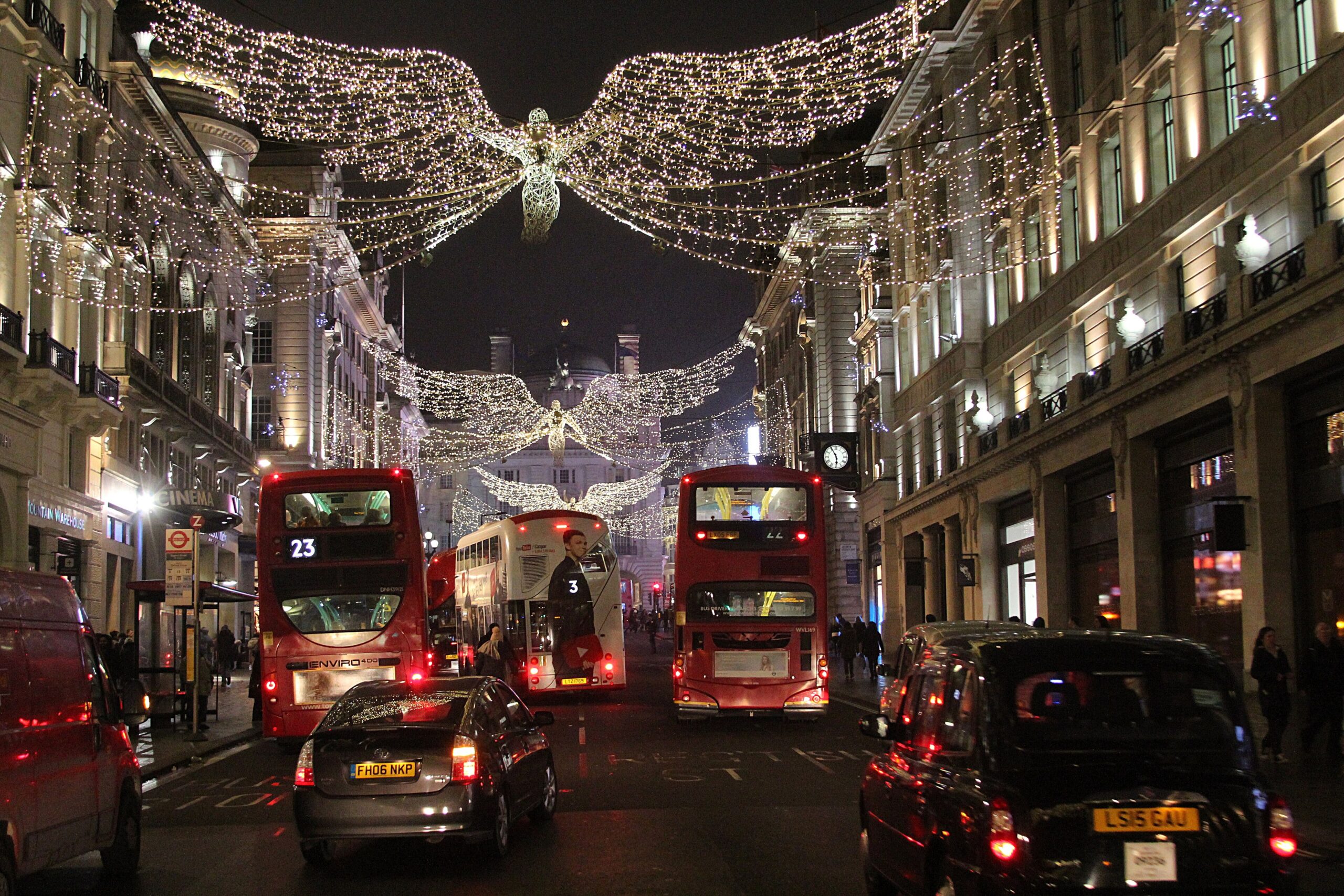
Image: “Christmas lights” by Oast House Archive, CC BY-SA 2.0, via Wikimedia Commons