Rotting Jack-O’-Lanterns Belong in the Compost, Not the Woods, Illinois Extension Says, as Wildlife Officials Warn Against Leaving Them for Deer
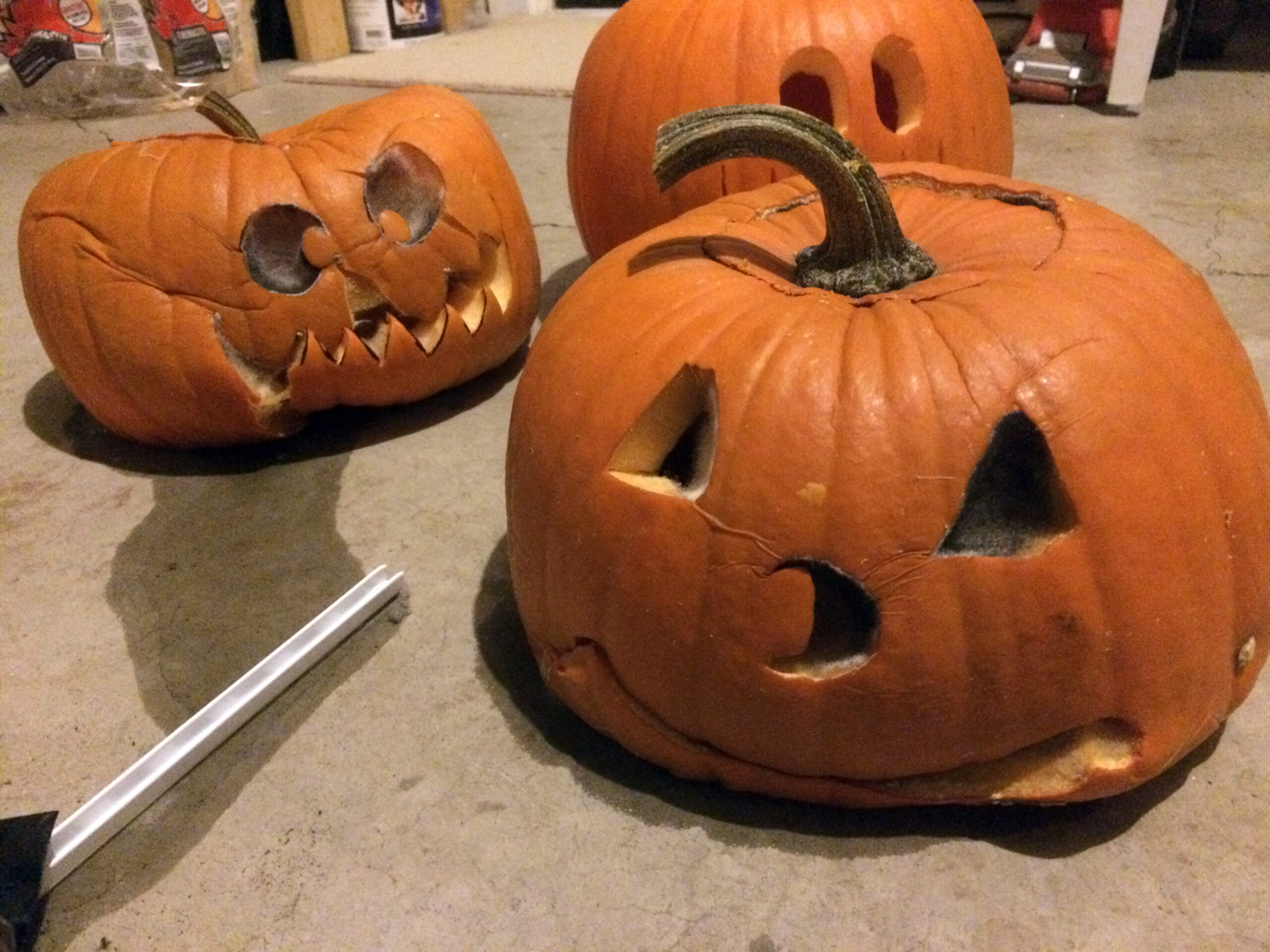
The jack-o’-lanterns slumping on porches this week have one more job to do, and it isn’t feeding the deer. University of Illinois Extension says old pumpkins should go into a compost pile or a community pumpkin smash, not into the woods or a roadside ditch. State wildlife agencies in Illinois, Washington and Colorado go further, advising against leaving pumpkins out for wildlife at all.
Dumping a pumpkin at the edge of a forest preserve can feel like giving it back to nature. Extension and wildlife experts say it often does the opposite.
Why the Woods Are the Wrong Place
Alexis Barnes, writing for Illinois Extension’s Over the Garden Fence blog, says leaving pumpkins in forest preserves or ditches is littering and can be illegal. She notes that the Illinois Department of Natural Resources does not recommend feeding pumpkins to wildlife, citing damage complaints and the spread of disease, including chronic wasting disease in deer.
Horticulture educator Chris Enroth, in an earlier Illinois Extension Good Growing post, lists more reasons. Pumpkins dumped in natural areas can smother native plants, the straw often dumped with them takes a long time to break down, and pumpkins left in ditches can draw animals toward traffic. He also notes that higher deer populations can be linked to increased Lyme disease.
What Wildlife Agencies Say
The Washington Department of Fish & Wildlife has issued the same warning. According to News Radio 560 KPQ, the agency says “pumpkins are not a natural food source for any of Washington’s wildlife,” that they can make animals dependent on human food, attract rats and mice, help spread disease and “draw large wildlife such as deer, elk, and bear into urban and suburban areas.”
Colorado Parks and Wildlife gives a similar caution. As AccuWeather reported, the agency warns that feeding wildlife can draw deer, bears or mountain lions into neighborhoods, and painted pumpkins can be toxic to animals.
Decorations make it worse. Barnes and Enroth both note that the University of Illinois Wildlife Medical Clinic treats wild animals trapped or tangled in decorative items each fall, and Enroth warns that rotted or moldy pumpkins can be dangerous to animals.
How to Compost a Pumpkin
The garden is the better destination. Barnes notes pumpkins are cucurbits that add good organic matter to a home compost pile, and that smashing them first helps them break down. Remove decorations, paint and anything else that isn’t compostable before they go in.
Gene Fox, consumer horticulture agent with NC Cooperative Extension in Beaufort County, gives the same order of operations: take out candles, wax and decorative paint, cut the pumpkin into smaller pieces and mix it with dry leaves or straw. Chunks can also be buried in garden beds to break down over winter.
Enroth adds that an uncarved pumpkin can last months before breaking down, so chopping it speeds things up, and turning the pile adds air. The finished compost can go on next year’s garden. AccuWeather’s guide also suggests scooping out the seeds before pumpkin chunks go in the bin, which keeps volunteer vines from sprouting where the compost is spread.
Why Not Just the Trash
The garbage can is the other common choice, and the extension services discourage it. Enroth explains that pumpkins buried in landfills break down without oxygen and produce methane, a potent greenhouse gas. Barnes cites EPA figures showing more than one billion pumpkins are thrown out every year.
For homeowners without a compost bin, the alternative is a community event. Barnes and Enroth both point to pumpkin smash events, where pumpkins are collected and taken to a composting facility. In Illinois, the state EPA keeps a list of compost facilities. AccuWeather also notes a nationwide directory run by Pumpkins for Pigs that lists farms accepting carved and uncarved pumpkins for livestock feed.
Uses Before the Compost Pile
Not every pumpkin has to be thrown out. Fox suggests scooping out the seeds, rinsing them and roasting them at 300 degrees for about 30 to 40 minutes. Enroth notes seeds can be baked without salt for bird feeders, and saved seed can be planted next year, though the offspring will likely look different from the parent.
Enroth also cautions against social media claims about pumpkins as farm medicine. Pumpkin seeds are not a proven dewormer for livestock, he writes, and while hogs and poultry can eat pumpkins, they aren’t a routine part of those animals’ diets and may upset their digestion.
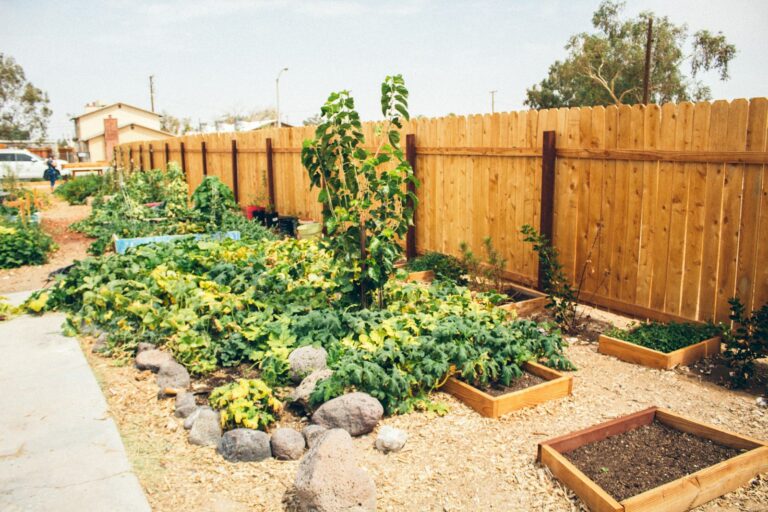
For a garden-minded household, the simplest plan is the one Illinois Extension recommends: break up the old jack-o’-lantern, strip off anything that isn’t plant, and let the compost pile turn it into next spring’s soil. The site has also covered how shredded fall leaves become free garden mulch, a natural partner for pumpkin chunks in the pile.
Get stories like this by email. Sign up for The Parent Diaries Letter.
This article was produced with AI assistance and edited for accuracy against the sources linked above.
Image: daryl_mitchell from Saskatoon, Saskatchewan, Canada – CC BY-SA 2.0/Wikimedia Commons