November Opens the Safest Window to Prune Oaks, and University of Minnesota Extension Says It Closes When Oak Wilt Season Returns in April
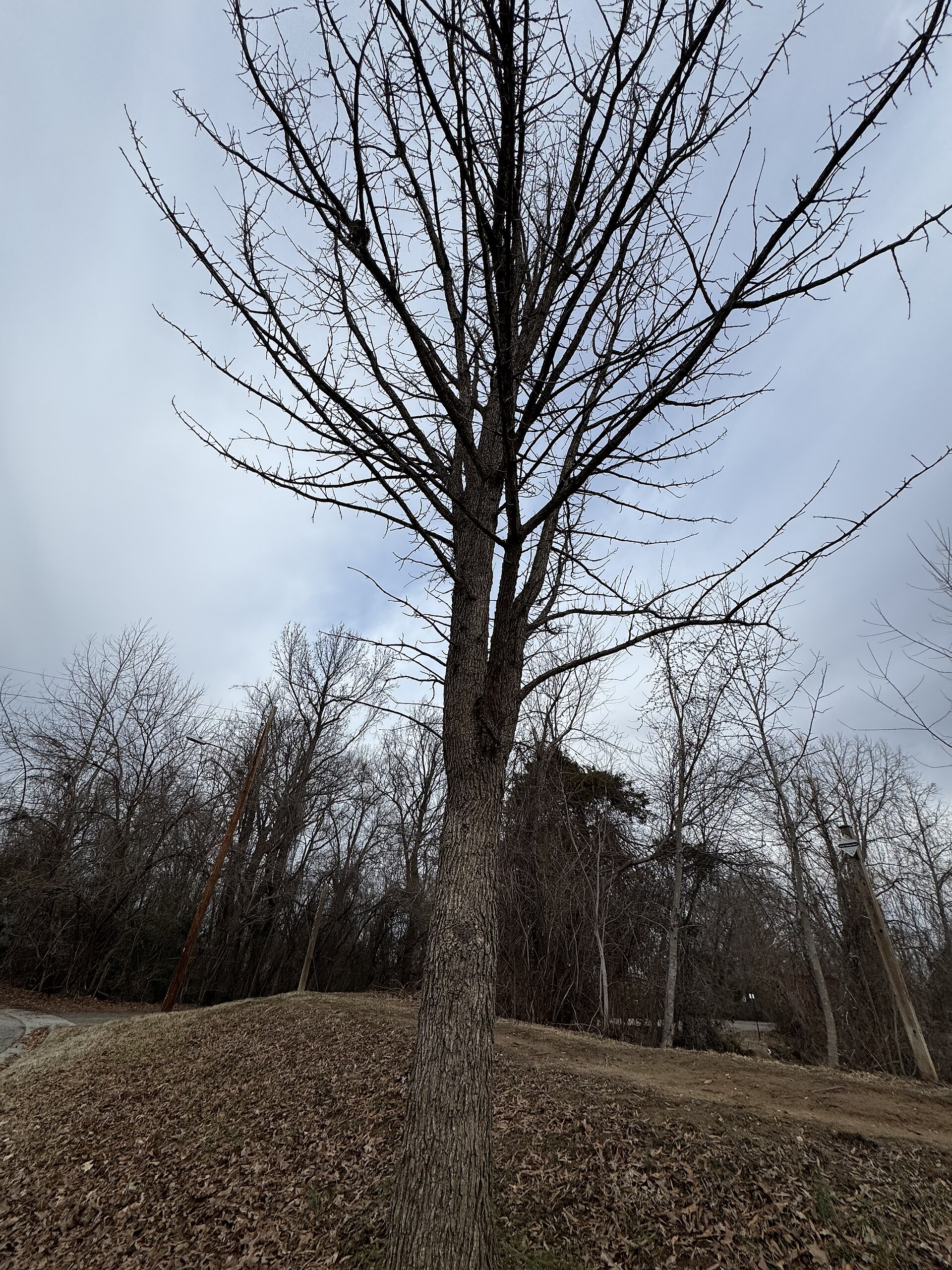
The bare months are the right months for oak pruning. University of Minnesota Extension says oaks are safest to prune from November through March, and that the risk of spreading oak wilt climbs sharply from April through July. A limb removed this month carries almost none of the danger that the same cut would in May.
For homeowners with an oak that needs a dead branch taken off or a limb lifted over the driveway, that makes the next few months the time to call an arborist or pick up the saw.
What Oak Wilt Does to a Yard Tree
Oak wilt is a fungal disease, and the Minnesota Department of Natural Resources describes it as a non-native, invasive fungus that kills all of the state’s oak species. Red oaks are hit hardest. In the university’s publication Oak Wilt in Minnesota, David W. French and Jennifer Juzwik write that northern red oak and northern pin oak are highly susceptible and typically wilt completely within two to six weeks of symptoms appearing. Bur oak is moderately susceptible, white oak less so, and infected white oaks decline slowly, branch by branch, sometimes for years.
The current extension guide adds that a red oak infected through a branch can fully wilt and drop its leaves in as little as four weeks.
Why a Spring Cut Is the Risky One
The danger comes from small sap beetles. The insects carry the fungus from diseased trees to healthy ones, and they are strongly attracted to fresh wounds, according to the extension. From April through mid-July, fungal mats form on red oaks that wilted the year before, and oaks are also producing the large springwood vessels that are especially easy to infect.
That is why the university recommends avoiding pruning from April through July. August through October carries low to very low risk. November through March is the safest stretch, because the fungus and the insects that carry it are inactive.
The Minnesota DNR draws the line at roughly the same place. In a DNR bulletin, the agency calls April the start of oak wilt’s “high-risk season” and tells homeowners to postpone pruning to November through February, when there is no risk of transmission. Forest health specialist Rachael Dube told the Brainerd Dispatch the period to avoid runs from April 1 to July 15, and that the exact start shifts with spring weather.
Ask Extension, answering a Dakota County homeowner who wanted to know the best time to trim oaks, gave the same window: November through March, with April, May and June the months to avoid.
When a Cut Can’t Wait
Storms don’t follow the calendar, and sometimes a broken oak limb has to come off in June. For those cases, the extension recommends treating the cut surface immediately with water-based paint, a pruning or wound sealer, or shellac. During the high-risk period, it specifically recommends latex-based paint or shellac.
Dube’s advice is to move fast. If a tree is accidentally wounded or a branch must be removed, “within 15 minutes, apply a water-based paint pruning paint or shellac to that wound,” she told the Dispatch.
French and Juzwik also warn never to use tree-climbing irons on living oaks, since the spikes leave dozens of fresh wounds.
Why One Infected Oak Rarely Stays Alone
Beetles start new infections, but most spread happens underground. Neighboring oaks often fuse their roots, and the fungus moves through those root grafts. In a Minneapolis-St. Paul study cited by the extension, most spread occurred within 30 feet, though some trees were infected up to 50 feet away.
That is what makes the disease so costly once it arrives. “Controlling oak wilt can be very expensive,” Dube told the Dispatch, and control often means removing many dying and healthy oaks to protect the rest on a property.
The site has covered the toll of losing big oaks before, from a homeowner who learned oak wilt in the neighborhood was worse than disclosed to an Oakland couple fined $915,135 over protected trees. A winter pruning schedule is the cheapest protection a healthy oak can get.
A Simple Calendar for Oak Owners
Put together, the guidance from the University of Minnesota and the DNR works out to a plain schedule. November through March is the time for routine pruning, deadwood removal and any planned limb work. April through July is off-limits except for emergencies, and any unavoidable cut gets paint or shellac right away. August through October is lower risk, but painting cuts is still a good habit.
The fresh-cut rule applies to more than pruning. Construction damage, mower scrapes and storm breaks are wounds too, and they draw the same beetles in spring. Keeping equipment away from oak trunks through the high-risk months protects trees the same way.
Get stories like this by email. Sign up for The Parent Diaries Letter.
This article was produced with AI assistance and edited for accuracy against the sources linked above.
Image: Cossey25 – CC BY-SA 4.0/Wikimedia Commons