A Woman Spent Eleven Years Turning a Dead Lawn Into a Working Farm, Then the City Told Her It Was Never Zoned for What She’d Built
For more than a decade, I believed hard work could fix almost anything. Every raised bed, fruit tree, and chicken coop on my property represented years of learning through mistakes. Then one official letter arrived in my mailbox, and everything I had built suddenly existed under a question I never imagined asking. Was any of it actually allowed to be there?
The Yard Nobody Wanted
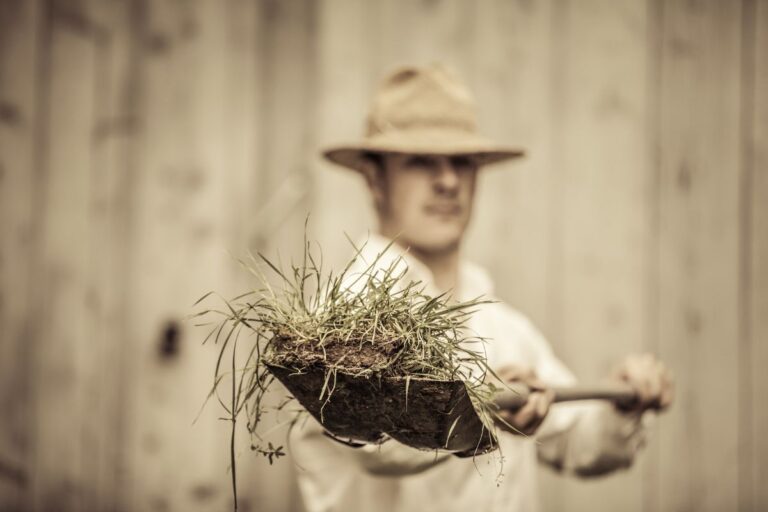
When I bought the house, everyone warned me about the backyard. The grass was mostly dirt, weeds reached above my knees, and the previous owner had stopped caring years before moving out.
Most neighbors joked that I would eventually pour concrete over the entire space. Instead, I saw potential. I wanted fresh vegetables, fruit trees, and a place where my children could understand where food actually came from.
The First Seasons Were Full of Failure
Nothing worked the way online guides promised. Seeds failed to sprout, tomato plants collapsed, and rabbits seemed to enjoy my lettuce more than I ever did.
Still, every mistake taught me something. I learned about composting, soil health, irrigation, and crop rotation. Little by little, the yard stopped looking abandoned and started looking alive.
People Began Knocking on My Gate
After several years, neighbors started asking questions instead of making jokes.
An elderly man named Carl wanted advice about growing peppers. A young couple asked if they could buy fresh eggs once my hens started laying regularly. Parents walking by often stopped because their children loved seeing the chickens scratching around the yard.
The space slowly became part of the neighborhood.
It Grew Beyond a Personal Hobby
I never planned to build a business. Friends simply kept asking whether I had extra vegetables.
Soon I was filling small baskets with tomatoes, herbs, squash, and lettuce for families nearby. Everything remained local and informal. People appreciated knowing exactly where their food came from, and I enjoyed seeing empty baskets return with handwritten thank you notes inside.
Eleven Years of Care Changed Everything
The property no longer resembled the place I had purchased.
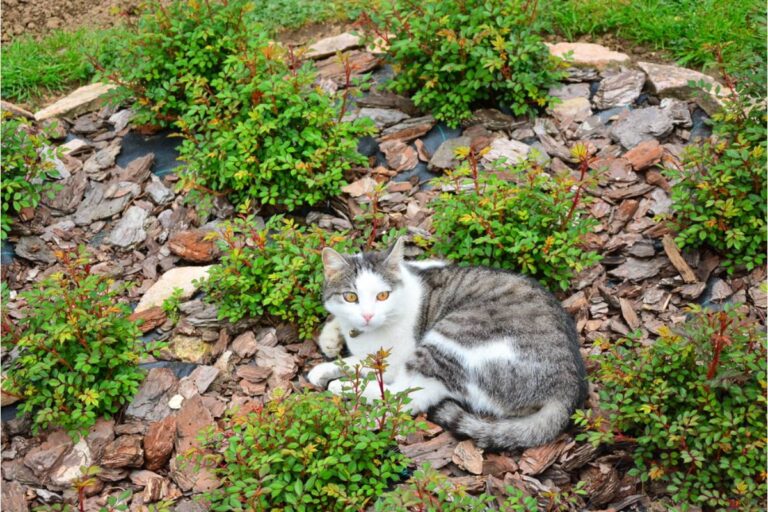
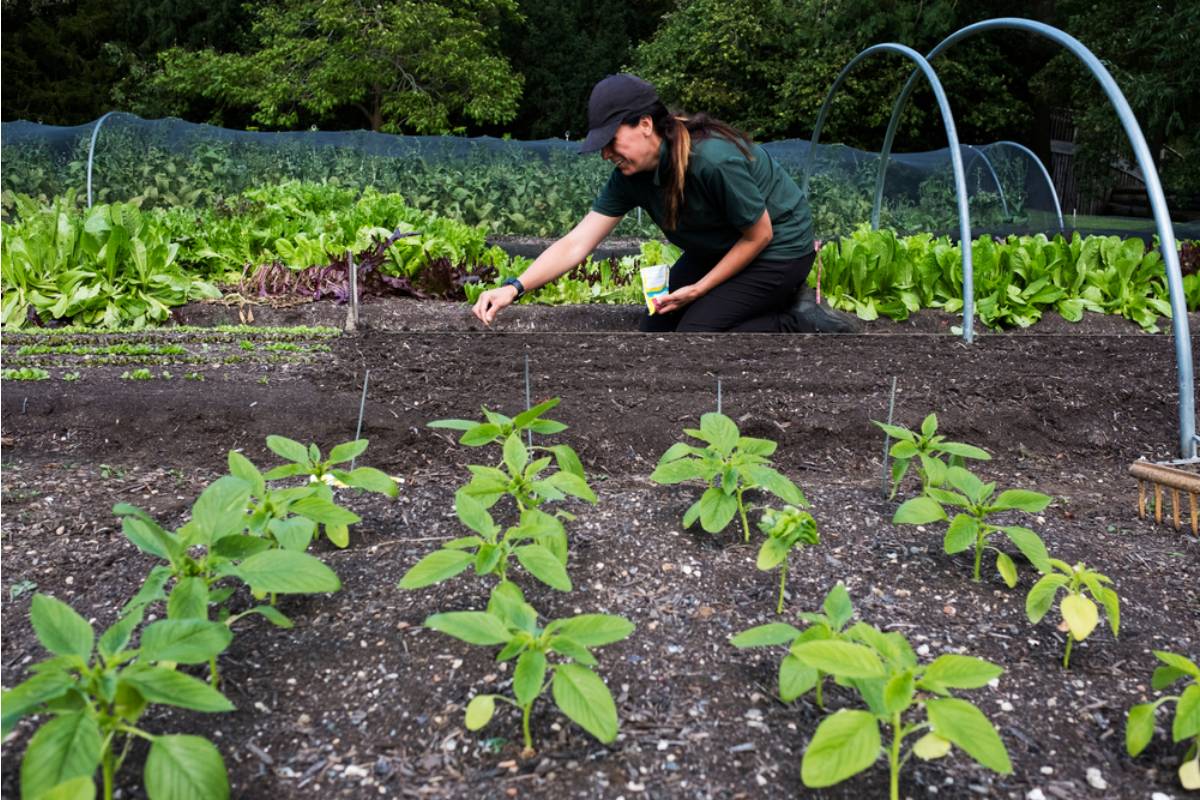
Rows of vegetables stretched across the yard. Berry bushes lined the fence. Bees visited flowering herbs throughout the growing season. Rain barrels collected water from the roof, and compost bins quietly transformed kitchen scraps into healthy soil.
Every improvement happened gradually, one project at a time.
An Envelope Changed My Morning
One afternoon I found an official notice from the city’s planning department tucked inside my mailbox.
At first I assumed it was routine paperwork about property taxes or utility work nearby. Instead, the letter stated that my property appeared to be operating as an agricultural use in a residential zoning district.
I read the page three times before understanding what it actually meant.
My First Meeting With City Officials
The following week I visited the planning office carrying photographs and years of garden records.
The zoning officer remained polite throughout our conversation. She explained that someone had filed a complaint after seeing people regularly picking up produce from my home. According to city records, certain agricultural activities required approvals that my property had never received.
She admitted many homeowners never realized those distinctions existed.
Searching for the Person Behind the Complaint
At first I had no interest in blaming anyone. I simply wanted to understand how this situation had started.
Then Carl quietly told me he had overheard another neighbor complaining during a homeowners gathering. The neighbor claimed too many visitors were coming through the street and believed chickens lowered nearby property values.
It hurt because we had exchanged friendly conversations for years.
Inspectors Walked Through My Backyard
A city inspector scheduled an official visit.
Instead of acting hostile, he carefully examined everything while asking detailed questions. He complimented the healthy soil, admired the fruit trees, and even laughed when one curious chicken followed him across the yard.
Then he closed his notebook and reminded me that appreciating the farm did not change the zoning rules.
A Discovery Hidden Inside Old Property Records
Determined to understand the history of my land, I visited the county archives.
A clerk helped me locate decades old property maps. Buried inside those records was something surprising. Long before the neighborhood existed, the entire area had operated as family farmland. My property had once been part of a much larger agricultural parcel before housing developments replaced nearly everything.
That discovery did not automatically solve my problem, but it changed the conversation.
The Neighborhood Spoke Before I Could
Word spread quickly after residents noticed city vehicles parked outside my house.
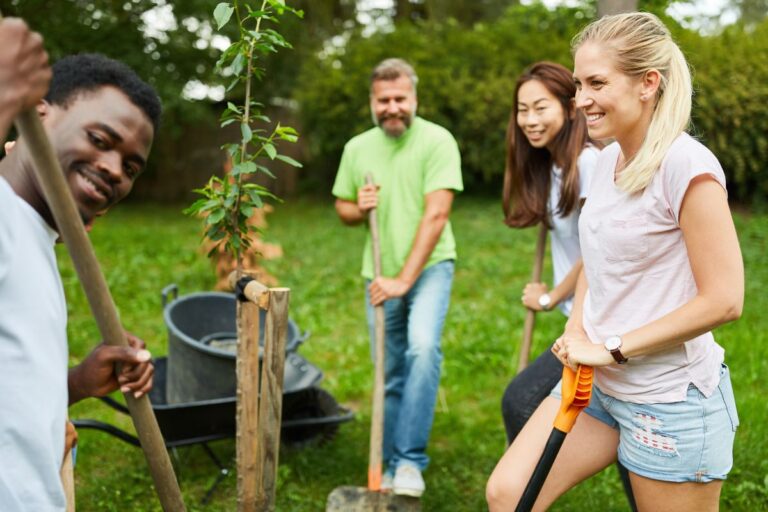
Within days, neighbors organized a meeting at the community center. Parents explained how their children had learned about gardening by visiting my yard. Seniors shared stories about receiving fresh vegetables during difficult seasons. Teachers described bringing small student groups to observe composting and pollination.
I realized the farm meant more to the community than I had ever imagined.
A Council Hearing Brought Unexpected Support
The zoning hearing felt intimidating until speaker after speaker approached the microphone.
Carl spoke about watching an abandoned yard become the healthiest property on the block. A local nutrition volunteer explained how fresh produce benefited nearby families. Even people I barely knew stood up to describe how the garden inspired them to grow food at home.
When it was finally my turn, I spoke less about vegetables and more about responsibility, education, and community.
An Alternative Nobody Expected
Rather than immediately ordering everything removed, one planning commissioner proposed another idea.
He suggested exploring whether my property qualified for a special permit recognizing community gardens and limited urban agriculture. The process would require inspections, updated site plans, and public review, but it offered a legal path forward instead of forcing years of work to disappear overnight.
For the first time in weeks, I felt hopeful.
Months of Paperwork Tested My Patience
The permit process moved slowly.
I adjusted fencing, relocated compost bins, improved parking access for occasional visitors, and documented how rainwater was managed. Every request from the city meant another weekend spent improving something instead of planting.
Although exhausting, each change made the property safer and more organized.
The Decision That Changed More Than My Backyard
Months later, the city approved a conditional permit allowing the property to continue operating within clear guidelines.
The official explained that my situation exposed outdated rules that failed to recognize how many homeowners now practiced urban agriculture. Officials announced they would review similar regulations across the city so future residents would have clearer guidance before investing years into comparable projects.
Walking home with the approval letter felt very different from opening the first notice months earlier.
Looking Across the Same Ground With New Eyes
When I stood in the garden that evening, everything looked familiar yet somehow different. The raised beds, chickens, fruit trees, and flowers had survived because people chose conversation over conflict.
I still wish I had understood the zoning rules before planting my first seed. But I also learned that communities are not only built through laws. They are built through neighbors willing to speak up when something valuable deserves another chance.