Martin Leal Has Lived in His Brownsville Home for 68 Years, and His Backyard Still Goes Under Water Whenever a Long Rain Hits
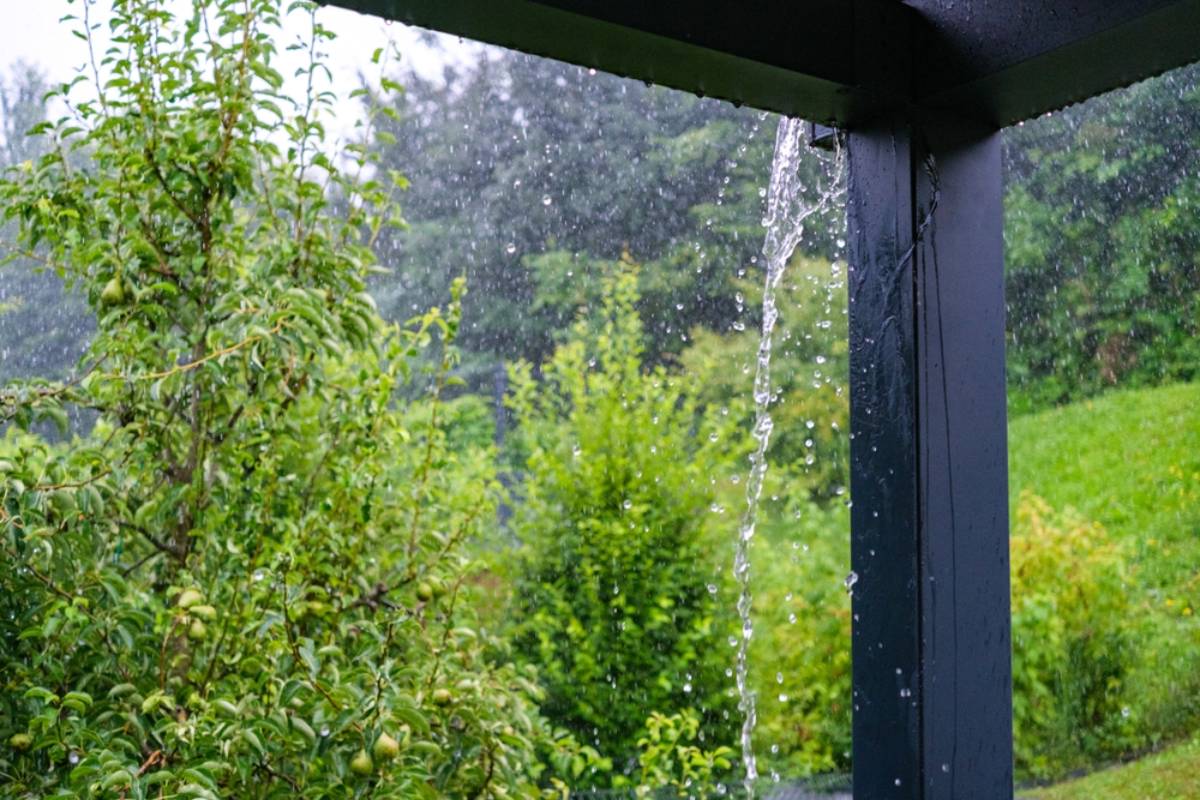
Martin Leal has lived in the same Brownsville, Texas, home for 68 years. On Monday, Nov. 9, around noon, water spread across his backyard again during a long stretch of rain. It has since drained, but the worry hasn’t.
Leal told KRGV Channel 5 News that every time it rains, he wonders whether this will be the time the water gets in. He believes the fix has to start with the city’s drainage system.
A yard near Boca Chica Boulevard
Leal’s home sits near Boca Chica Boulevard and Carlton Drive. According to KRGV, the backyard was covered by water around midday before it receded later.
It has been worse. In 2015, Leal said, floodwater got inside the house and rose to his waist in some outdoor areas. He spent $15,000 repairing that damage.
Long periods of rain are what worry him most, he told the station, because that is when the water has nowhere to go.
What the city has said
KRGV said it contacted the City of Brownsville and its public works department and had not heard back by the time the story aired. District 2 Commissioner Linda Macias told the station that a crew had been sent out that Sunday to help with the problem.
Leal’s view is that relief has to come from bigger pipes and channels. He believes the city’s drainage system doesn’t have the capacity to handle heavy rain.
The city has been working on drainage elsewhere. The City of Brownsville lists a paving and drainage project on Dennet Road, additional drainage upgrades approved by the City Commission on Nov. 3, and a full reconstruction of Coffee Road that includes upgraded drainage. The commission has also approved a municipal drainage utility system while postponing action on a proposed drainage utility fee, according to the city’s site.
Where the money for bigger fixes comes from
Large drainage projects in Texas often lean on state help. The Texas Water Development Board says the 2019 Legislature greatly expanded its role in flood planning and financing, creating 15 regional flood planning groups and a statewide flood plan. Lawmakers also moved a one-time $793 million from the state’s rainy day fund into a flood financial assistance program the board runs.
None of that changes what happens in one backyard on the next rainy afternoon. For a homeowner, the immediate questions are smaller: where the water collects, where it can soak in, and what coverage exists if it reaches the house.
What homeowners can do in the meantime
Insurance is the first thing many people get wrong. FloodSmart, the federal National Flood Insurance Program’s site, says most homeowners insurance does not cover flood damage, and that flood coverage generally takes a separate policy covering the building and its contents.
In the yard itself, plants can help at the margins. The U.S. Environmental Protection Agency describes a rain garden as a sunken area, typically planted with grasses and flowering perennials, that collects rain from a roof, driveway or street so it can soak into the ground and reduce runoff from a property. The agency advises checking for underground utilities before digging.
A rain garden won’t fix a street drain that can’t keep up. For Leal, after 68 years and one flood that reached inside, the answer he wants is the one only the city can provide.
This article was produced with AI assistance and edited for accuracy against the sources linked above.