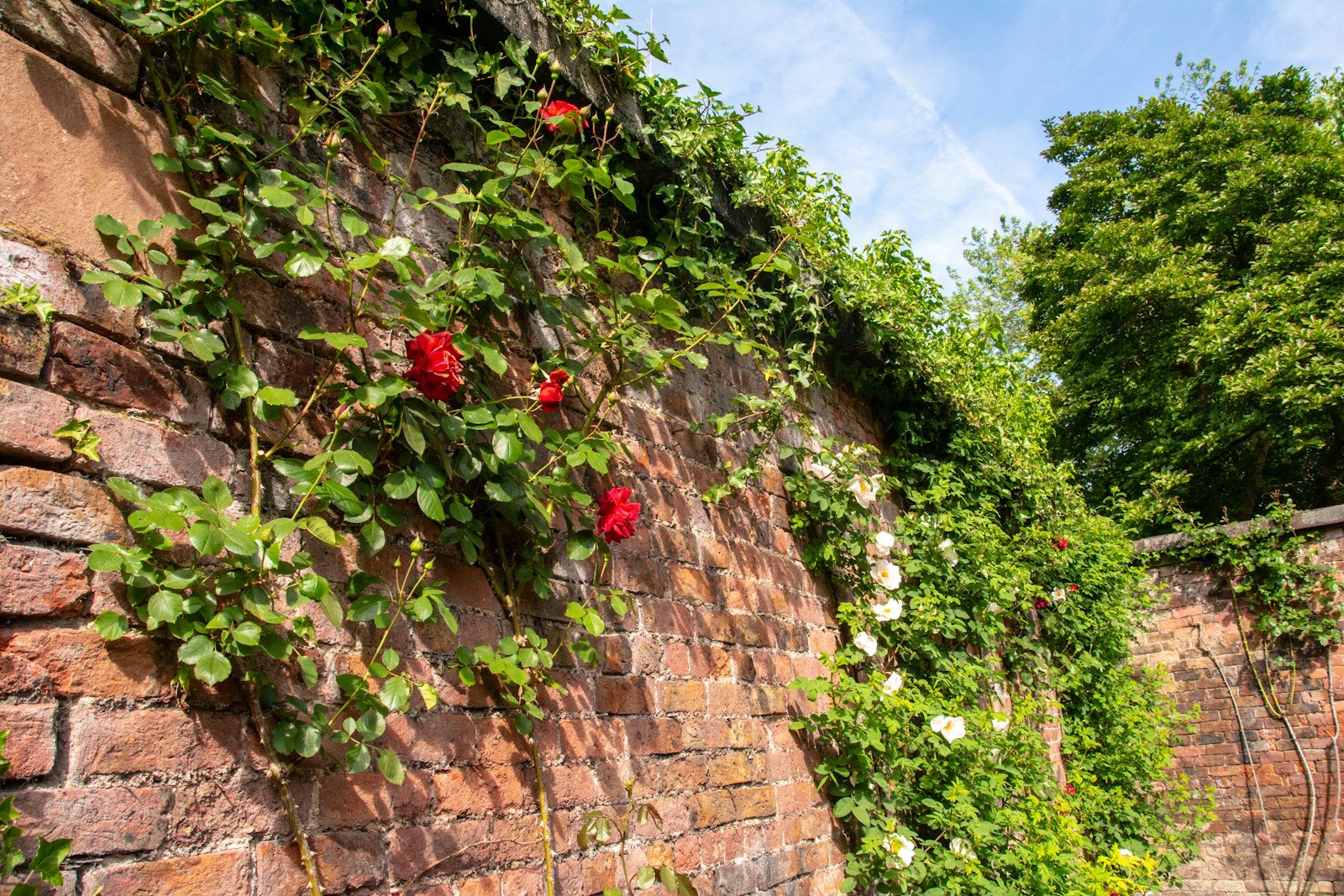
UNH Extension Says Climbing Roses in Sheltered Spots Can Stay on Their Supports Wrapped in Burlap With 10 to 12 Inches of Soil Mounded at the Base
Climbing roses do not always have to be pulled off the trellis for winter. University of New Hampshire Extension says climbers growing in sheltered spots can stay on their supports through the cold months, as long as the canes are wrapped in burlap, straw or evergreen boughs and 10 to 12 inches of soil is mounded around the base. Late November, after hard frost has set in, is when that work typically happens in cold-winter regions.
For climbers on open, windy sites, the advice changes, and several extension services describe how to bring the canes down to the ground instead.
UNH’s Method for Sheltered Climbers
According to UNH Extension’s winter protection fact sheet, the first step comes after the first hard frost: secure the canes to their support and trim back long ends. The canes are then wrapped in burlap, straw or evergreen boughs and tied with twine, and 10 to 12 inches of soil goes around the base.
UNH says the timing matters. Protection should wait until hard frosts have killed the remaining leaves, and the fact sheet suggests letting plants go through several nights in the mid-teens first so they are fully dormant. It also recommends pruning climbers in midsummer, after blooms fade, so new growth has time to harden off before winter.
When Climbers Need to Come Down
In extremely cold or exposed areas, UNH recommends detaching the plant from its support, tying and bending the canes to the ground, pinning them with crossed stakes and mounding soil over the whole plant. The corners of the mound are marked with stakes so the plant can be found later.
Nebraska Extension educator Sarah Browning describes a similar trench method in her rose winter protection guide. The canes are removed from the trellis and laid in a shallow trench, covered with 3 to 4 inches of soil, then topped with a 12- to 18-inch layer of leaves. Browning explains that the leaf layer keeps the sun from thawing the soil too early in spring. She also offers a pole method, in which canes are retied to a sturdy pole near the crown, wrapped in burlap, stuffed with straw or leaves and mounded with soil at the base. Browning notes that most climbers bloom on the previous year’s growth, which is why protecting the canes matters so much.
Purdue Extension’s HO-128 rose publication, by B. Rosie Lerner and Michael N. Dana, says climbers can be laid on the ground and secured with wire or stakes, then covered with mulch and several inches of soil, the same way tree roses are handled. The authors add that training climbers on a movable trellis makes the job far easier each fall.
Avoiding Cracked Canes
University of Illinois Extension warns that climbing and rambler canes become less pliable as temperatures drop and can crack, which means losing the whole cane, according to its rose care guide. For very cold climates, Illinois suggests bending climbers to the ground and covering them with six inches of soil plus mulch. For milder spots, its alternative closely matches the UNH approach: pack straw around canes still on the trellis, secure it with twine and wrap the plant in burlap.
Illinois also says canes should be tied together before covering to prevent wind whipping, and that covering should wait until a hard killing frost has caused most leaves to fall.
Watering, Pruning and Spring Removal
Browning advises watering roses until the ground freezes, noting that freezing in recent Nebraska winters held off until late December or early January. She also recommends clearing fallen leaves and debris around each plant to cut down on disease. In Purdue’s “Hibernation for Roses” article, Lerner says fall pruning should be skipped because those cuts tend to die back, and soil for mounding should come from elsewhere in the yard so roots are not damaged.
In spring, Purdue says covering should come off after the threat of frost passes but before new growth begins, since insulation left on too long traps moisture. Gardeners protecting bush roses as well can compare these steps with the site’s guide to mounding 10 to 12 inches of soil over hybrid teas and the piece on rose mulch after a hard frost.
This article was produced with AI assistance and edited for accuracy against the sources linked above.