Illinois Extension’s Christopher Enroth Lists Tree Topping, Blowing Clippings Toward Storm Drains and Burning Leaves Among His Horticultural Pet Peeves
Tree topping comes first on Christopher Enroth’s list of horticultural pet peeves, ahead of blowing grass into the street and burning leaves. Enroth, a University of Illinois Extension horticulture educator serving Henderson, McDonough, Knox and Warren counties, wrote the list in an Oct. 23, 2026 post on the extension’s Good Growing blog.
Each peeve comes with a fix. Topping is to be avoided, clippings that are not left on the lawn are raked into the compost pile, and leaves are shredded and spread as mulch. Other extension and conservation sources explain the reasoning behind each one.
Topping Cuts Branches Back to Stubs
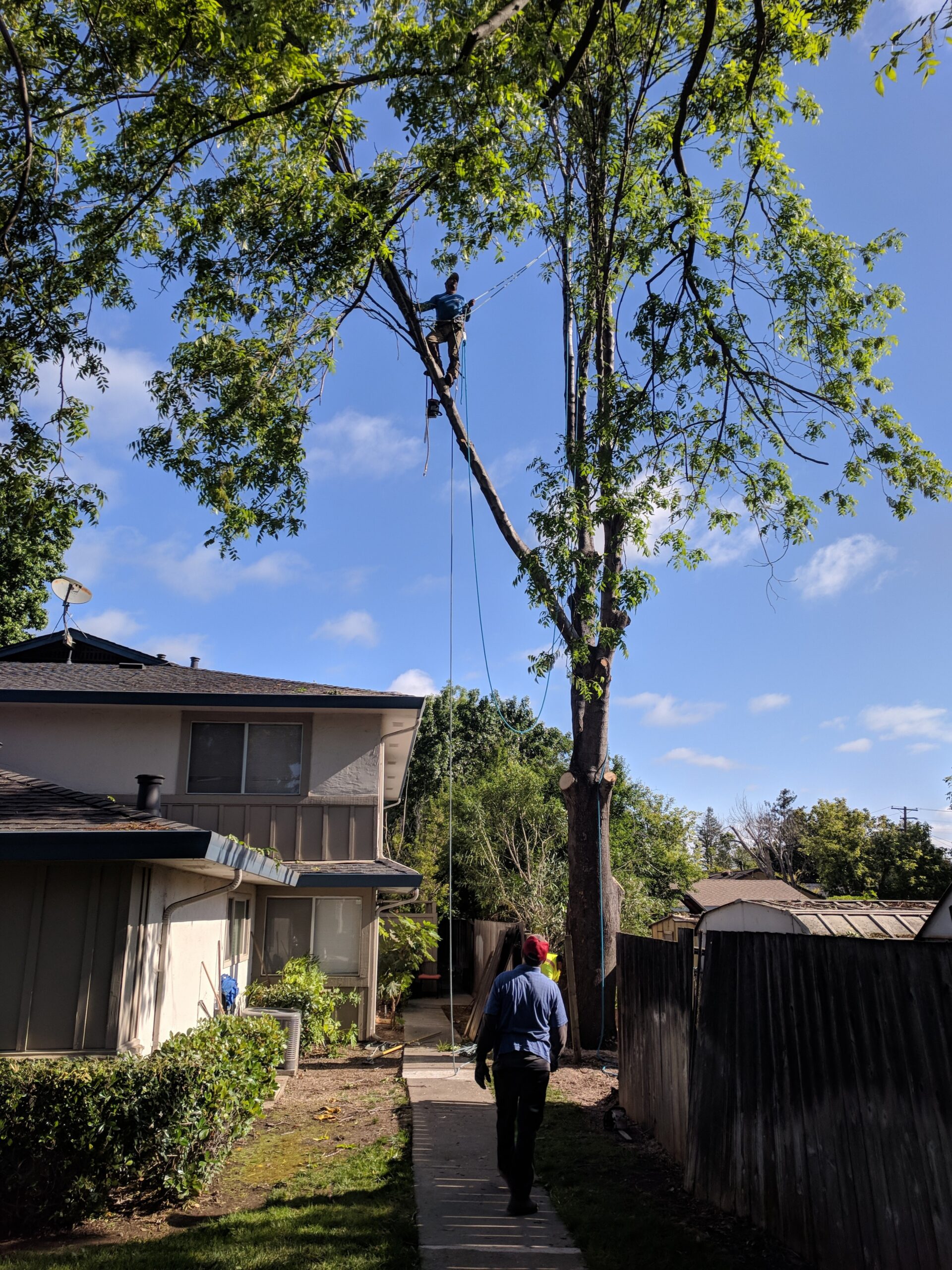
Enroth describes tree topping as cutting primary branches back to stubs at a uniform height. According to his post, the cut removes growing points, leaves and active buds, and the tree answers by sprouting dormant buds into dense, twiggy shoots known as epicormic shoots or water sprouts. Those shoots attach weakly and are more vulnerable to weather and pests, and the wounds seal poorly, which lets rot start.
He writes that he sees topping in communities far from power lines, and that some companies advertise it. In one Central Illinois town, he said, topped trees were damaged in a windstorm and still have hanging limbs. The dense regrowth hides those limbs, which he calls “widow-makers,” until the leaves fall.
Ken Johnson, another Illinois Extension horticulture educator, made a similar case in a Feb. 27, 2026 Good Growing post. Topping also goes by the names stubbing, heading and hat-racking, he wrote, and it makes trees more hazardous without lowering their height over time. The new shoots are weakly attached and can restore the original height within a few years. Stubs over 2 inches in diameter seal slowly or not at all, which invites insects and decay.
For a tree that has grown too large, Johnson recommends crown reduction: cutting branches back to a lateral branch at least one-third the diameter of the branch removed, which leaves no stubs and keeps the natural form. He advises hiring a certified arborist and avoiding companies that offer topping as a service. The Nebraska Forest Service at the University of Nebraska-Lincoln agrees on the hiring point. Its “Don’t Top Trees” page says topping is “never recommended by anyone with a good understanding of trees” and that the main response to an offer of topping is to decline it and hire a different tree service.
Clippings in the Street End Up in the Storm Drain
The second peeve covers two habits that send debris toward storm drainage: grass blown into the street and mowing ditches. Enroth writes that taller vegetation in ditches slows water so sediment settles out instead of washing into streams and rivers. Clippings that wash into storm sewers add excess nutrients and potentially pesticides to waterways.
His alternative is to leave clippings on the lawn, where they return nitrogen to the soil and can supply about one fertilizer application per year. Extra clippings should be raked up and added to a compost pile rather than blown into the street.
The Clean Water Campaign, produced in Atlanta with the University of Georgia Cooperative Extension Service, makes the same points in a lawn care brochure. Clippings can stay on the lawn as a natural fertilizer, it says, and leaves should stay out of streets, drainage ditches, storm drains and creeks. The brochure says debris that reaches a storm drain can wash into local waterways, and that excess fertilizer runs into rivers and streams and feeds algae growth, which lowers oxygen levels and can kill fish and other aquatic life.
Shredded Leaves Do More Than Smoke
Enroth’s third peeve is burning leaves. Leaves are rich in carbon and energy that can compost back into the soil, he writes, supporting soil biology and recycling nutrients to plant roots, and burning releases those benefits as smoke. His preferred alternative is to shred leaves and spread them as mulch in his shade garden, where they decompose by the next fall.
The post closes with a Good Growing tip of the week. Mulching mowers help shred leaves and clippings back into the lawn, Enroth writes, but most mower decks are not designed for mulching, so multiple passes may be needed.
Composting is the other route. This site has reported on Colorado State Extension’s fall leaf compost recipe, and on Delaware’s rule, under which DNREC says raked leaves can never go in the fire.
Where Leaf Burning Is Still Allowed in Illinois
Enroth notes that most Illinois towns ban leaf burning within city limits, but that it remains common in rural areas. State rules leave room for it. The Illinois Environmental Protection Agency’s open burning FAQ says landscape waste, a category that includes leaves, grass and yard trimmings, may be open burned on the premises where it is produced, or at sites a local government provides and supervises.
The agency lists an exception for counties with a population above 400,000. It also says state law does not override local prohibitions, and that local governments can impose stricter rules and require additional permits. A homeowner who wants to burn leaves has to check the local ordinance first, and the agency says open burning of garbage is prohibited statewide.
That leaves Enroth’s argument as a recommendation rather than a statewide rule. His reasoning is about what the leaves are worth, and his own tip notes the shredded-mulch alternative may take multiple mower passes. The same logic runs through the other two peeves: topped trees that need years of repair, clippings washed toward waterways, and leaves that go up as smoke all waste something the yard could have kept.
This article was produced with AI assistance and edited for accuracy against the sources linked above.
Image: Grendelkhan – CC BY-SA 3.0/Wikimedia Commons