A Neighbor’s Fencing Company Clear-Cut a Horticulturist’s Mulberry and Peach Trees, Then the Company’s Owner Called Police and Accused the Homeowner of Assault
“Trying to save the planet sure does come with a lot of opposition.” That was how a horticulturist who specializes in habitat restoration summed up the day a neighbor’s fencing crew took down two trees in their yard, according to The Cool Down’s report, republished by Yahoo News.
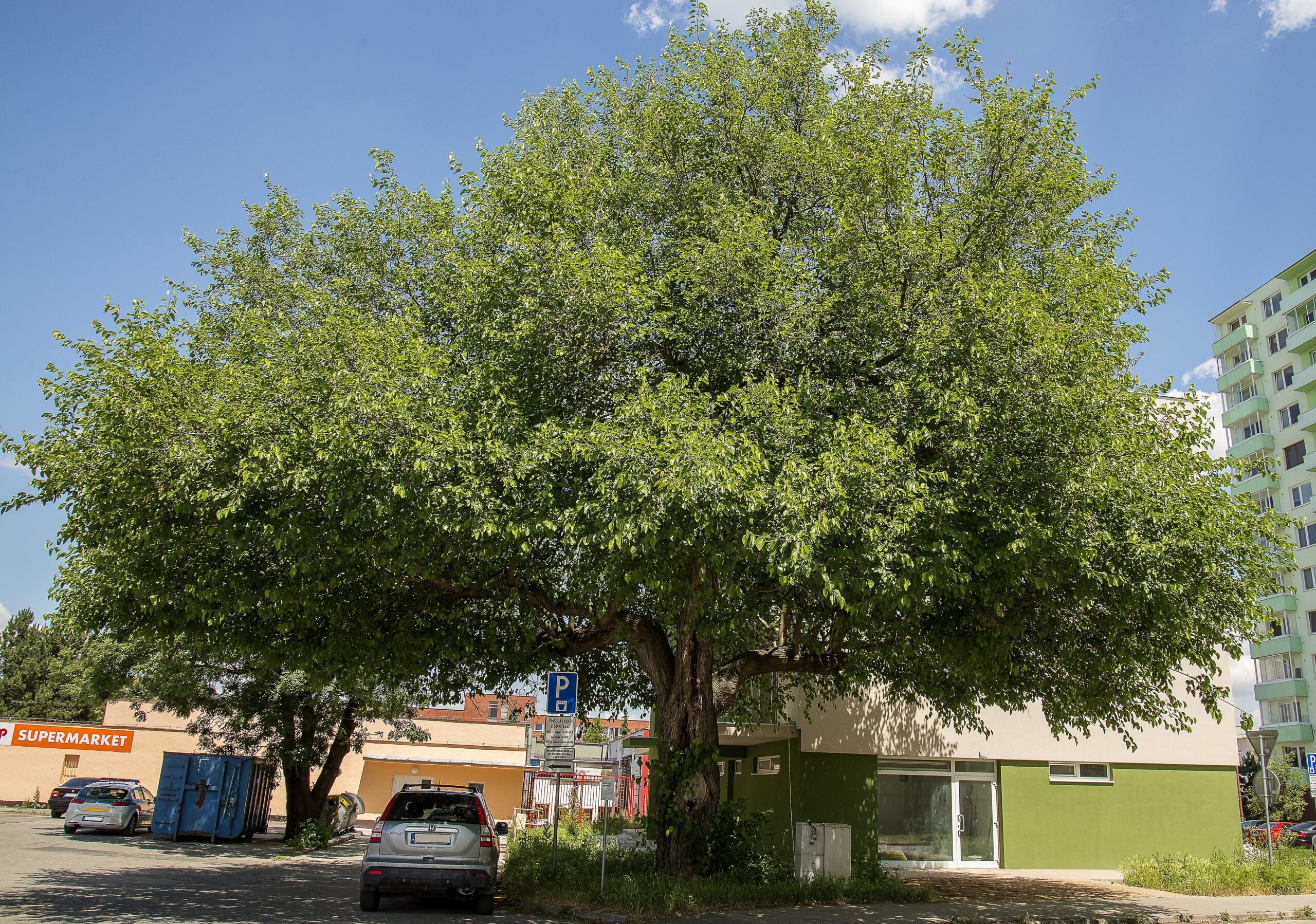
The trees were a mulberry and a peach. The homeowner says the fencing company the neighbors hired clear-cut both without permission, and that when the homeowner confronted the company’s owner, he cursed, called the police and accused the homeowner of trying to assault him. A Ring camera recorded the whole exchange.
A Rewilded Yard, Partly Mowed to Keep the Peace
The homeowner had been rewilding the property, replacing lawn with native growth. In their words, as quoted by The Cool Down, rewilding “can be done in a number of ways, the easiest being to just let nature take back over.”
That approach did not sit well with everyone on the street. The homeowner said they kept part of the yard mowed to “appease the neighbors,” a compromise that, by their account, still was not enough.
Federal guidance backs the idea behind a yard like this. The U.S. Forest Service recommends that home gardeners favor native species, grow host plants for caterpillars and leave dead trees or limbs as nesting sites for native bees where they pose no hazard.
Yards that trade turf for native growth often draw this kind of friction. Another homeowner on this site had to rethink a lawn-free garden after neighbors complained, and the pattern is familiar: what looks like habitat to the owner can look like neglect to the people next door.
Two Fruit Trees Gone Before Anyone Asked
The trouble started with a project next door. The neighbors were having a new fence put in, and, as The Cool Down put it, the fencing company took drastic action. The crew clear-cut the mulberry and the peach, both on the homeowner’s property, without asking.
When the homeowner went out to ask the company’s owner what he was doing, the homeowner said he answered that the damage would not have happened if the homeowner had cared about the yard. In other words, the long grass and native growth were treated as a reason the trees did not matter.
Disputes over who may cut what along a shared line show up on this site often, from a neighbor who wanted a family’s decades-old oak cut down over pool leaves to a homeowner who answered an HOA’s complaints by rebuilding a lost mulberry branch out of PVC.
A Police Call the Ring Camera Answered
The conversation did not stay calm. The homeowner said the owner “flipped out,” hurled profanities and then called the police, telling officers the homeowner had tried to assault him.
The footage told a different story, according to the homeowner. The Ring camera “was recording it all,” they wrote, and the responding officer recognized that the company owner was the one behaving unreasonably. The Cool Down did not report any charges against either side, and neither the homeowner nor the fencing company was named.
The report also did not say where the home is, which matters, because the rules on cutting a neighbor’s trees differ from state to state.
What Tree Laws Can Offer a Homeowner
Commenters who responded to the homeowner’s account urged them to get a lawyer. One pointed out that the length of a yard’s grass gives no one the right to cut trees on someone else’s land. Another suggested looking up the local tree laws, noting that in some states a homeowner can sue based on a tree’s age and other factors.
Some states go further. Washington’s timber trespass statute, RCW 64.12.030, applies whenever a person cuts down, girdles or otherwise injures a tree on another person’s land “without lawful authority,” and it says a judgment for the owner “shall be for treble the amount of damages claimed or assessed.” Other states have their own versions, with different multipliers and conditions.
Even where no special tree statute applies, stepping onto someone’s land to cut their trees can bring a trespass claim. Eric Teusink, a real estate attorney with Williams Teusink, told Homes & Gardens that “in Georgia, civil trespass is an intentional tort,” while noting that state laws differ and that punitive damages are unlikely outside an exceptionally egregious case.
For a yard built around native plants and wildlife, the loss is more than the price of two trees. The Xerces Society notes that leaves and plant debris left in place insulate the insects sheltering in them through the cold months, and that standing stems, wood and flower heads give many native bees places to nest. Trees anchor that kind of habitat, and a tree cut to the ground takes years to replace.
The Footage Is the Homeowner’s Best Record
In disputes like this one, the evidence that holds up is usually the evidence gathered at the time. The homeowner already had video of the confrontation. Photos of the stumps, the cut wood and the property line, along with a survey if the line is in doubt, are the kinds of records an attorney or an arborist would ask to see when putting a value on lost trees.
For now, the horticulturist’s yard is missing two of its trees. The homeowner’s closing line to readers was the same one that opened this story: saving the planet, they said, comes with a lot of opposition.
This article was produced with AI assistance and edited for accuracy against the sources linked above.
Image: Alena Hroncová – CC BY-SA 4.0/Wikimedia Commons