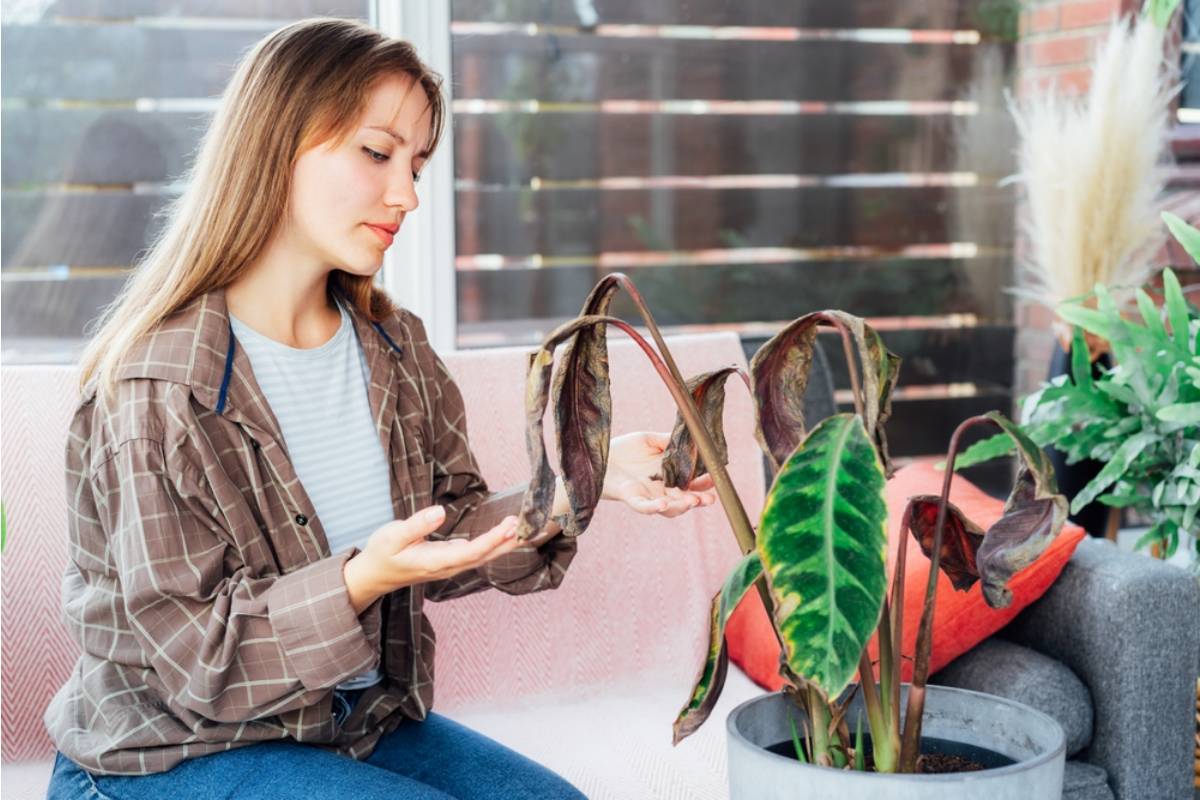
Homeowner Says a Strange Cologne-Like Odor Kept Drifting Into Her Garden, Then Her Plants Began Showing Signs of Herbicide Damage
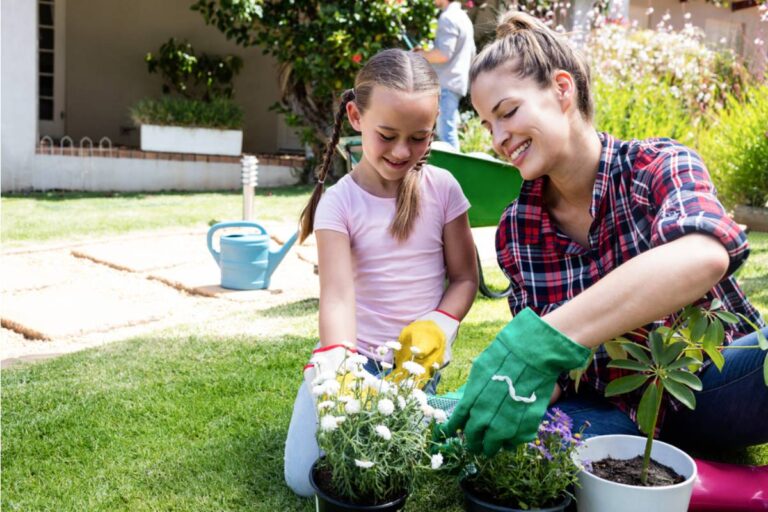
A woman who lived alone had spent years turning the back of her property into the kind of garden that reflected her personality. She grew flowers, native plants, and other greenery, and caring for them had become one of the most peaceful parts of her routine. Gardening gave her something dependable to look forward to after work, especially when the rest of the neighborhood seemed determined to provide distractions.
For years, she had never experienced a serious problem with chemical drift affecting her plants. Then, sometime in the spring, she began noticing damage that looked suspiciously like herbicide exposure. At first, she didn’t know what to make of it, but the pattern eventually became difficult to ignore. Something seemed to be changing around the garden, and the timing would soon become even stranger.
The New Neighbors Had Already Made Things Uncomfortable
The neighbors involved had moved into the area about a year and a half earlier, and the relationship had never exactly developed into a friendly one. The woman said she rarely spoke with them, although there had been a few uncomfortable encounters and odd incidents since their arrival. Nothing by itself seemed dramatic enough to justify a confrontation, but the collection of small moments had left her uneasy.
One detail particularly stuck with her because it seemed so deliberate. The wife had previously stood outside and watched the woman leave for work in the early morning, sometimes remaining there as the car drove away. The woman would wave or smile, but received no obvious explanation for the behavior. She eventually learned to shrug off the strange encounters and concentrate on her own life and garden.
Then the Smell Started Appearing
About a month before sharing her story, the woman noticed something completely different. Whenever she went outside to work in her gardens, a powerful odor would eventually drift onto her property from the same general direction. She described it as smelling strongly like men’s cologne, although the scent seemed unusual enough that she couldn’t identify it.
The timing was what made the situation especially unsettling. She might arrive home from work and head straight into the backyard, only for the smell to appear roughly twenty to forty-five minutes later. On days when she was off work and went outside earlier, the same basic pattern seemed to repeat itself. Sometimes the odor became strong enough to cover the entire backyard, porch, and garden area.
The Timing Became Impossible to Ignore
The woman wasn’t simply noticing the smell once or twice and building a theory around it. She said the incidents had happened repeatedly during the month, at different times of day, while she happened to be outside. The odor also seemed to travel from the same side of the property and move toward the areas where she spent time gardening.
That made her start paying closer attention to the clock. There wasn’t necessarily a perfectly predictable schedule, but there was enough of a pattern to make her uncomfortable. She also pointed out that the neighbors were home much more often than she was, while she usually spent the daytime hours at work. Suddenly, her usual habit of stepping into the garden after getting home felt very different.
The Physical Symptoms Added Another Layer
The smell wasn’t merely unpleasant to her. On several occasions, she experienced a cooling or mint-like sensation in her nose and throat after the odor reached her property. She also reported headaches, nausea, a sore throat, and episodes of a rapidly beating heart.
Those symptoms understandably made the situation more serious in her mind. She was particularly worried because she wasn’t spending a few seconds outside before returning indoors. Her garden was a major part of her daily life, meaning she could be exposed while watering, pruning, planting, or simply enjoying the space. She also had animals on the property, which made her concern extend beyond herself.
Her Plants Had Already Been Sending Warning Signs
The strange odor wasn’t the only clue bothering her. She had been seeing signs of herbicide damage on plants since the spring, long before the unusual smell became a daily concern. Because she had maintained gardens for years, she knew what her plants normally looked like and had never previously dealt with a problem quite like this.
The combination was difficult for her to dismiss. A mysterious chemical-like odor was repeatedly drifting across the property, while plants were showing damage that appeared consistent with chemical exposure. She didn’t know whether the two things were connected, and she was careful to acknowledge that she couldn’t prove they were. Still, the possibility was enough to make her start documenting what she saw.
The Cologne-Like Smell Created More Confusion
One of the biggest problems was that the odor didn’t match what she expected from agricultural chemicals. She had spoken with people who knew more about pesticides and herbicides, and some explained that certain products can have noticeable floral or chemical odors. Others suggested that products intended for residential use might smell different from those used in larger agricultural settings.
The woman also learned that some pesticide products can contain fragrances or masking agents. That possibility didn’t prove what was drifting across her yard, but it gave her a reason to take the smell more seriously. She began wondering whether the strange cologne-like scent was actually hiding something she couldn’t identify by smell alone.
The Missing Bees Became Another Clue
Then she noticed something else that made her uneasy. She had always enjoyed seeing bees visiting the flowers in her garden, and she had openly mentioned to friends how much she loved seeing them around her native plants. During the same period when the mysterious odor became frequent, however, she felt that she wasn’t seeing as many bees.
She admitted that this was only speculation. There was no evidence proving that the decrease in visible bees had anything to do with the mysterious substance. Gardens can change from week to week for countless reasons, including weather, flowering cycles, and natural insect behavior. Still, when someone is already worried about chemical exposure, even a small change in the garden can suddenly feel significant.
Other People Told Her to Start Recording Everything
Several responses from people focused on one practical solution rather than trying to identify the substance from a description. They urged her to install cameras covering the backyard and property line so she could document what was happening instead of relying only on memory. Others suggested recording the exact time, weather conditions, direction of the odor, and visible changes to plants.
That advice appealed to her because she already had a growing collection of observations. She had also recorded videos of other strange incidents involving the neighbors, including occasions when their car was locked or the horn was honked whenever she stepped outside. The more documentation she gathered, the less dependent she would be on simply explaining how unusual the situation felt.
Some People Had Completely Different Theories
Not everyone who heard about the odor immediately assumed it was an herbicide. One response suggested that the smell could possibly come from vaping, pointing out that flavored vapor can linger and cause headaches or sinus irritation in sensitive people. Another person floated the idea that someone might be using an air freshener to conceal another smell.
The theories became increasingly creative from there. One person even suggested the possibility of an illegal drug-related odor being covered with fragrance, although there was no evidence establishing that this was happening. The woman acknowledged the possibilities but said the neighbors didn’t seem like people who would engage in such behavior. For her, the real mystery remained the same: something repeatedly smelled strange, and her garden appeared to be suffering.
Not Everyone Thought the Situation Was Suspicious
There was also skepticism. One response suggested that the woman sounded frightened but might be interpreting ordinary household chemicals as something more sinister. Another pointed out that homeowners are generally allowed to use certain pest-control products on their own property, depending on local rules and how those products are applied.
The woman didn’t completely reject the possibility that she could be mistaken about the source. In fact, she openly admitted that she didn’t know what the substance was. Her concern was less about proving a theory and more about understanding why the same odor kept appearing around her garden and whether it could be damaging her plants or affecting her animals.
The Garden Became the Center of the Investigation
As the incidents continued, the woman began treating her garden almost like a crime scene, although she wasn’t claiming to know who was responsible. She photographed damaged leaves and kept track of what was happening around her property. Every new incident added another piece of information to a puzzle that still didn’t have a clear answer.
She also noticed how strongly the pattern seemed connected to the places where she spent time. The odor wasn’t simply something she occasionally noticed while passing through the yard. It seemed to reach the garden, porch, and rear portion of her property when she was outside. That detail was one reason she decided that documentation was more useful than confronting anyone without evidence.
Suggestions for Protecting the Garden Started Pouring In
Some responses focused on creating a physical barrier between the properties. People suggested privacy screens, trees, and other forms of landscaping that could help separate the garden from whatever might be drifting across the property line. Others proposed using fans or misting equipment to reduce airborne particles, although such measures would not identify the source or establish whether a harmful chemical was actually involved.
The woman particularly liked the idea of adding a protective barrier because it fit naturally into her gardening plans. Instead of escalating the conflict with the neighbors, she could focus on protecting the plants while continuing to gather information. Still, she understood that no amount of landscaping could answer the bigger question about what was actually being released into the air.
Her State Had a Law That Changed Everything
The biggest turning point came when she discovered that her state had specific rules concerning herbicide drift. According to what she learned from the Department of Agriculture, certain violations could result in substantial fines when herbicides were knowingly used improperly and drifted onto another person’s property or caused damage.
That information changed the situation from a mysterious neighborhood dispute into something that could potentially be investigated by an official agency. The woman explained that she had been documenting plant damage since spring, giving her months of photographs and other evidence rather than just a handful of recent observations. Suddenly, the records she had been keeping could become much more important.
She Decided the Evidence Belonged in Official Hands
Instead of confronting the neighbors based on suspicion, the woman said she was contacting the Department of Agriculture. She planned to provide the agency with the photographs and videos she had collected, including evidence showing the condition of affected plants over time. The decision gave her a way to seek answers without having to determine the culprit herself.
That distinction mattered because she still didn’t know exactly what was being sprayed, whether anything was being intentionally sprayed, or whether the odor and plant damage were connected. An investigation could potentially establish facts that speculation couldn’t. For someone who had spent months wondering whether she was imagining a pattern, turning the evidence over to professionals offered a much clearer path forward.
The Small Business Made the Stakes Even Higher
There was another reason the situation mattered beyond the appearance of a backyard garden. The woman explained that the plants she grew were part of her small business, meaning damage to them could potentially affect more than her personal enjoyment. A garden that had once been a peaceful hobby had become part of her livelihood as well.
That made every damaged plant more consequential. If an herbicide really was drifting onto her property, the problem could potentially involve financial losses, damaged inventory, and questions about whether plants were safe to handle or sell. She therefore had a practical reason to establish exactly what was happening rather than simply hoping the strange odor would disappear.
The Final Twist Was That She Didn’t Need to Prove the Motive
The most important development wasn’t discovering a secret chemical or catching a neighbor in the act. It was realizing that she didn’t actually need to prove why anyone might be doing it before asking an appropriate agency to investigate. The motive remained unknown, and so did the exact substance behind the odor. What she did have was a growing record of unusual incidents, plant damage, and repeated observations.
By the end of the story, the mystery was still unresolved, but the woman had moved from suspicion to documentation. She had photographs, videos, accounts from friends who had also noticed the smell, and information about the state’s herbicide drift rules. Whether the strange odor came from an agricultural product, a household chemical, or something completely unrelated, the garden had finally produced enough clues to justify looking for an answer.