A Coyote Came Off the Trail Behind a Kingston Home and Bit the Man Doing Yard Work in His Own Backyard
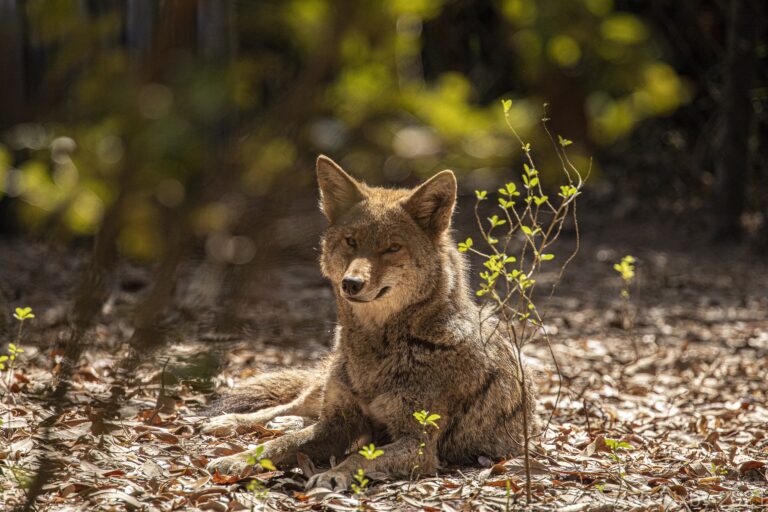
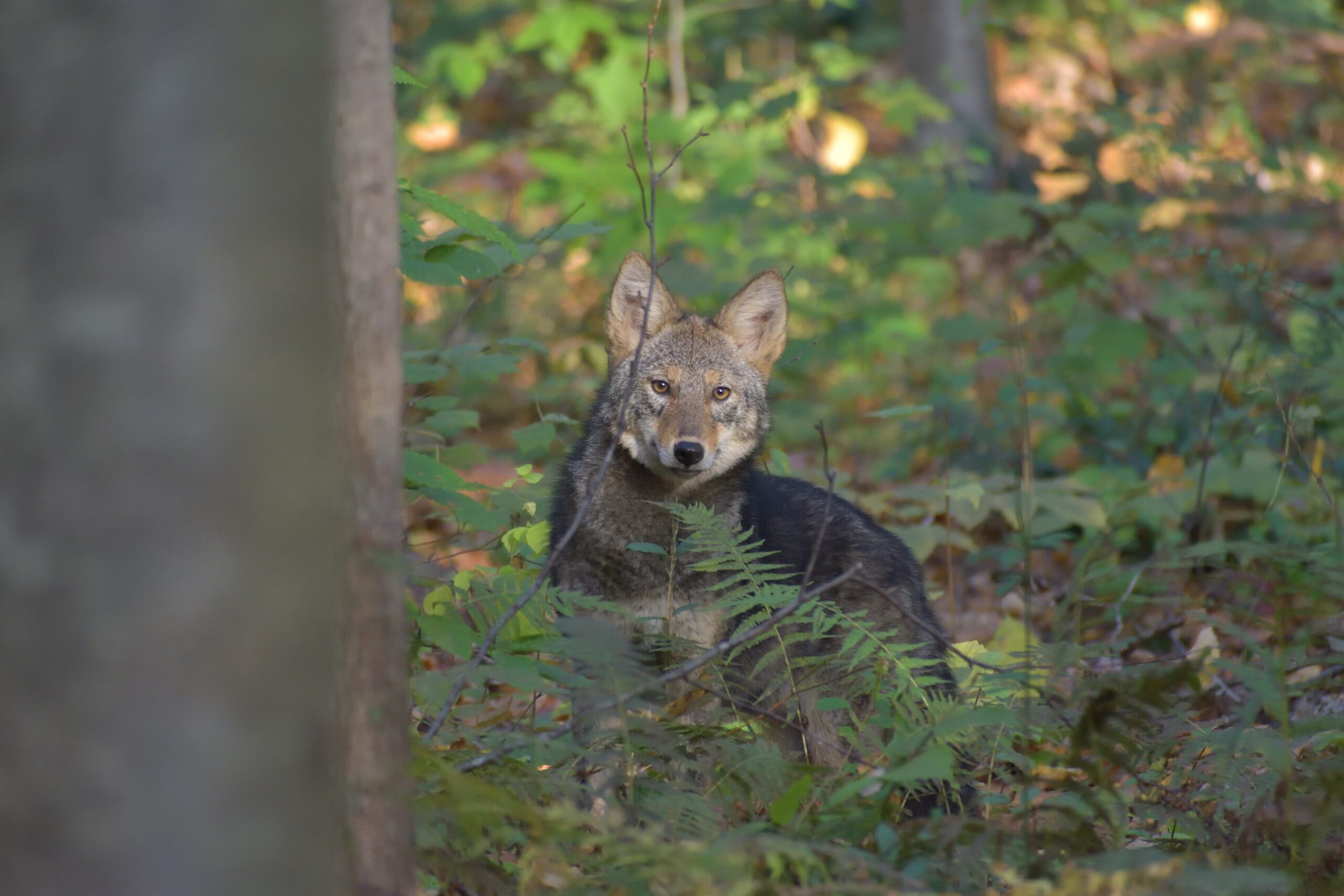
A man was doing yard work behind his home near Hillcrest Road in Kingston, Massachusetts, late on a weekday morning when a coyote came out of the woods and bit him. The animal had come off a trail that runs behind the house and connects to another property.
His injuries were very minor, but he went for medical treatment and got a rabies shot, The Boston Globe reported on Nov. 12. Police and animal control searched for the coyote and couldn’t find it.
A daytime bite in a wooded backyard
The attack happened around 11:30 a.m., according to the Globe. After the man reported the bite, a neighbor called police. Kingston police and animal control responded that Tuesday but didn’t locate the animal.
Since then, police have received a few more sighting reports but no further attacks, Kingston Police Sgt. Ryan Calter told the Globe. Markers have been posted along the trail.
Calter said officials can’t confirm whether the coyote had rabies unless it is found. But the fact that it attacked in daylight suggested the animal was unwell, he said.
Kingston Animal Control posted a warning about “an aggressive coyote” near trails that are popular with dog walkers. The post urged people to “use extreme caution,” avoid the area, keep pets leashed and carry pepper spray.
How rare this is
Coyote bites on people are unusual in the state. According to Mass Audubon, there have been fewer than 10 coyote attacks on humans in Massachusetts in the last 60 years. The organization says coyotes are wary and generally avoid people, and are most often seen around dawn and dusk, though they can be active at any time.
They are everywhere, though. The state’s Division of Fisheries and Wildlife says the eastern coyote is well established throughout Massachusetts except on Nantucket and Martha’s Vineyard, and thrives in suburbs and cities as well as the countryside. In suburban areas, it says, coyotes have preyed on unprotected pets, including cats and small dogs.
Why the rabies shot matters
The rabies shot the Kingston man received is standard after a bite from an animal that can’t be tested. The Centers for Disease Control and Prevention says rabies spreads mainly through bites or scratches from an infected animal and is almost always fatal once symptoms begin. Treatment started promptly after an exposure, including wound care, immune globulin and a vaccine series, is nearly 100% effective.
The CDC advises washing any bite or scratch right away with soap and water and getting medical care urgently.
Keeping coyotes out of the yard
Most of what draws coyotes close to houses is food, and a lot of it sits in the yard. MassWildlife says coyotes eat garbage, pet food and birdseed left outdoors. Mass Audubon adds fallen fruit to that list and warns against ever feeding coyotes, because they become dependent and lose their wariness of people.
The state’s guide to preventing conflicts recommends taking down bird feeders, which draw the squirrels and small mammals coyotes hunt, using sturdy trash cans with tight lids and putting them out the morning of pickup instead of the night before. Compost should go in secure, vented bins.
For a coyote that lingers, the state recommends hazing: moving toward it while waving arms or clapping, yelling or using an air horn, or spraying it with a hose. If someone’s safety is immediately threatened, the guide says to call police, animal control, the Environmental Police or MassWildlife.
In Kingston, the coyote that bit the homeowner was still unaccounted for in the Globe’s report, and the markers along the trail behind his yard remain up.
This article was produced with AI assistance and edited for accuracy against the sources linked above.
Image: John Stockla – CC BY-SA 4.0/Wikimedia Commons