After a Zoning Fight Forced a Lake Family to Cut Their Fence Down to 4 Feet, the Neighbor Threatened to Run a Chainsaw Until It Came Down.
The fence ended up at 4 feet. A lake homeowner says that was not the end of it, because the neighbor who took the family to the zoning board then told her husband he would run a chainsaw at annoying hours until the whole fence came down.
The account comes from the homeowner herself, as relayed in a Nov. 12 article by Benjamin Cottrell on TwistedSifter. The article names no one and identifies no town, state or lake, and it does not independently verify her account, so the details below are hers.
From Six Feet to Four After a Denied Variance
According to TwistedSifter’s retelling, the homeowner and her husband built a six-foot privacy fence that exceeded the local height limit. A neighbor who was building a house next door complained to the zoning board.
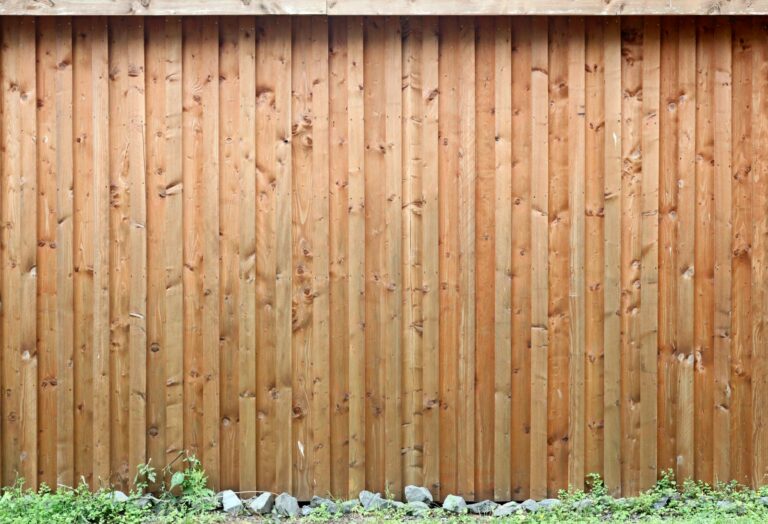
The couple applied for a variance, which is an exception to the height rule. It was denied. They cut the fence down and installed a four-foot fence, which the Zoning Board of Appeals approved.
The neighbor’s complaint, as the article tells it, was that the fence blocked his lake view from a basement window. The article says the fence does not block that view. TwistedSifter’s headline describes the fence as one that meets every zoning rule.
A Chainsaw at 7 a.m. and Again at 9 p.m.
The homeowner says the neighbor then told her husband he would run a chainsaw at annoying hours until the whole fence was removed. He did not make an idle threat, in her telling. She says he cut wood beside the fence at about 7 a.m. for a few minutes, then put the saw away in his truck. He worked through the day, she says, and ran the saw again at around 9:00 to 9:30 p.m.
TwistedSifter notes that the neighbor stayed within legal noise limits.
She also describes a wider pattern. The neighbor on the other side of him had a lengthy shouting match with him “a few weekends ago,” according to the article. The couple chose not to retaliate, describing him as frightening. His behavior escalated over the summer, she says, and she began locking her doors during the day in a neighborhood she otherwise considers peaceful and safe.
A Camera, a Daughter and a Police Report
The most serious claim is about filming. The homeowner says her adult daughter was raking out the lake when the family caught the neighbor filming her. The daughter reported him to the state police, and the family has a report number, according to the article.
The article offers no police statement and no word from the neighbor, so nothing in it shows what, if anything, came of the report. The same is true of his side of the fence dispute and the chainsaw claim: the story rests on one household’s account.
The neighbor’s wife is part of the picture too. The homeowner says the wife will not intervene, explaining that she is supposed to defer to her husband. The couple’s primary home is a few hours downstate, and the wife is rarely at the lake house. The homeowner says he yelled at the wife for waving and saying hello to the family.
How Zoning Boards Weigh Fence Height Requests
Local rules differ everywhere, and the article does not say which state’s rules applied. New York’s Department of State publishes a guide for zoning boards of appeals that shows how an area variance request typically works. The guide defines an area variance as permission to use land in a way the dimensional or physical rules do not allow, and says the board must balance the benefit to the applicant against the potential harm to the neighborhood.
The guide lists five factors, including whether an undesirable change would be produced in the character of the neighborhood, whether the applicant has a feasible alternative, whether the request is substantial and whether the difficulty was self-created. A self-created difficulty does not necessarily preclude an area variance. A board must grant the minimum variance it considers necessary and adequate.
A companion state handout on area variances says that community opposition is not a valid basis for denial and that boards should base findings on facts and evidence, not assumptions. Courts generally will not substitute their judgment for the board’s when every factor is weighed and the decision is rationally supported.
The American Planning Association’s report on fence regulation shows why height limits exist and why they vary. It cites safety, especially vision clearance at corners, and access to light and air. Limits range, for example, from four feet allowed only in side or rear yards in Mount Lebanon Township, Pennsylvania, to a five-foot cap in El Dorado, Kansas. The report also says a spite fence is defined mainly by its builder’s intent to annoy, and that the only direct control a municipality has over spite fences is height.
The question of the lake view is a separate one. A National Center for State Courts employee assistance page on homeowners’ rights to views says homeowners generally have no right to a view unless a local ordinance or subdivision rule grants one in writing. The main exception is a neighbor who deliberately and maliciously blocks a view with a structure that has no reasonable use to its owner. The same page notes that fence height limits are often about six feet in back yards and three or four feet in front.
Lovely Garden Roots has covered a fence height variance fight elsewhere, and a lake-view dispute over arborvitae in Crystal Lake.
This article was produced with AI assistance and edited for accuracy against the sources linked above.
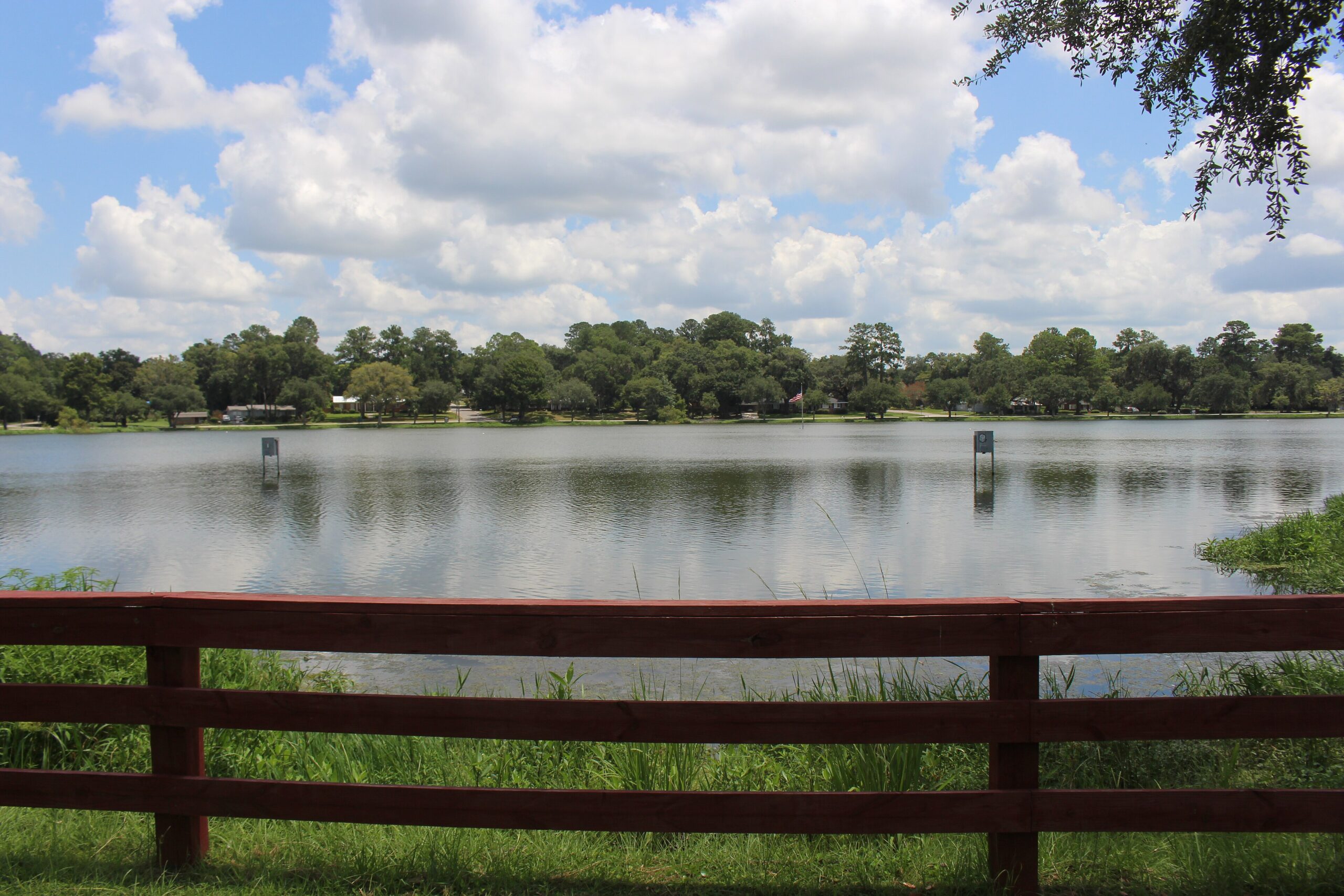
Image: Michael Rivera – CC BY-SA 4.0/Wikimedia Commons