An HOA Called Eight Homeowners Into Separate Hearings and Fined Seven of Them, While Quarterly Dues Climbed to $1,089
Eight homeowners were summoned to separate hearings by their homeowners association, and seven of them were fined $1,000 each. One of the seven told the story in an account that Devon Wendela wrote up for Yahoo Life’s Backyard Garden Lover column on Nov. 10, 2026.
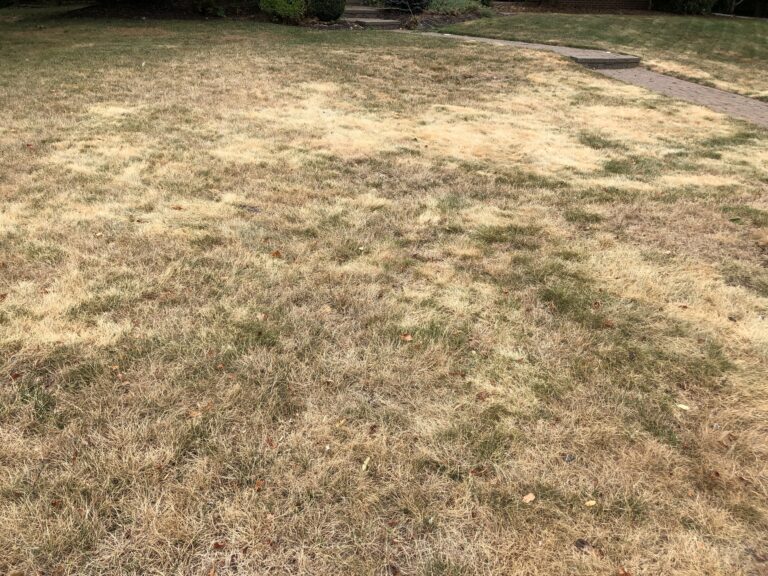
That homeowner was fined over dead grass that had not been repaired. The same community has pushed quarterly dues from $995 to $1,089, which is the other number behind the complaint.
The Homeowner Who Got the Dead-Grass Fine
The homeowner is not named in the write-up, and neither is the state or the community. What the account does cover is how the case played out for one household: a summons to a compliance hearing and a fine for a lawn that was dead and had not been repaired.
At the hearing, the homeowner explained why the grass had not been repaired. The write-up does not repeat those reasons. A board member said neighbors should not have to look at dead grass, and the homeowner shot back that the home was not a “haunted house.”
A second complaint came up in the room. A board member also objected to clay pots out front. The homeowner said no such pots had ever been there, and the board member kept the complaint anyway.
After the hearing, the homeowner thanked the board, then told the property manager to have the association’s attorney contact the homeowner’s own lawyer. The homeowner’s argument is that the charge was meant to punish rather than to push anyone toward repairs, and the homeowner says the plan is to “fight this to the end.”
Eight Hearings, a Few Minutes Each
According to the account, the eight residents were called in one at a time and given a few minutes each. Seven of the eight were fined, and every fine was $1,000. Only one of the eight left without a penalty.
The board did not decide in front of the homeowner. It deliberated privately, then announced that the fine would stand. The homeowner says the amount came out only after asking for it.
Seven fines of $1,000 add up to $7,000 across the eight hearings, though the write-up does not say what the other six homeowners were accused of. It describes only the dead grass and the clay pots that came up in this homeowner’s own hearing.
Dues of $1,089 a Quarter and a Gate That Locks Out Late Payers
The fine is not the only cost the homeowner lists. Quarterly dues rose from $995 to $1,089, according to the account. That is $94 more every three months, or about 9.4 percent, and $4,356 over a year.
Payment deadlines carry their own penalty. Residents who miss one lose their gate barcode access and have to use the guest lane, which the homeowner says sometimes has a line of five cars.
The homeowner has thought about selling and wrote that living there has turned out to be more than was bargained for.
What Homeowners Can Generally Expect Before an HOA Fines Them
The write-up does not name a state, so it is impossible to say which law applies to this community. State rules differ, and so do each association’s own governing documents. A few official sources show how wide the range is.
In Florida, section 720.305 of the state statutes generally caps a fine at $100 per violation, requires at least 14 days’ written notice of the right to a hearing, and sends that hearing to a committee of at least three people who are not officers, directors or employees of the association. For continuing violations, the total is capped at $1,000 unless the governing documents say otherwise.
Arizona’s statute on HOA penalties allows reasonable fines only after notice and a chance to be heard. A member who gets a written violation notice can respond within 21 days, and the association has 10 business days to answer in writing. The same law says regular assessments generally cannot rise more than 20 percent over the prior year without majority approval, unless the community documents set a lower limit.
The Texas State Law Library’s guide to property owners’ associations says an HOA can fine only if its governing documents grant that power. The notice has to describe the violation, state the proposed fine and tell the owner there are 30 days to request a hearing before the board. For violations that can be fixed, the owner gets a reasonable deadline to cure the problem first.
The same Texas guide also separates problems that can be fixed from those that cannot. It lists parking and maintenance violations among the curable ones, and property damage, including removing or altering landscaping, among the uncurable ones. Where a dead lawn would land on that list is a question for the community’s documents and a lawyer, since the account does not say.
Minnesota sits at the other end. A November 2024 brief prepared for a legislative working group by the Legal Services Advocacy Project says boards there may levy reasonable fines with no cap on the amount, owners are entitled to notice and an opportunity to be heard, and a hearing is not required before a fine. Since 2023, an association cannot add attorney fees when an owner contests a fine, asks for a hearing and the board does not uphold it.
The common thread is that notice, a chance to be heard and the community’s own rules usually come first. Whether seven $1,000 fines hold up depends on the documents and the state, and on whether the homeowner’s challenge goes anywhere. Another community fight over a yard, an Acworth, Georgia family’s front-yard garden fined $25 a day, is covered on this site.
This article was produced with AI assistance and edited for accuracy against the sources linked above.
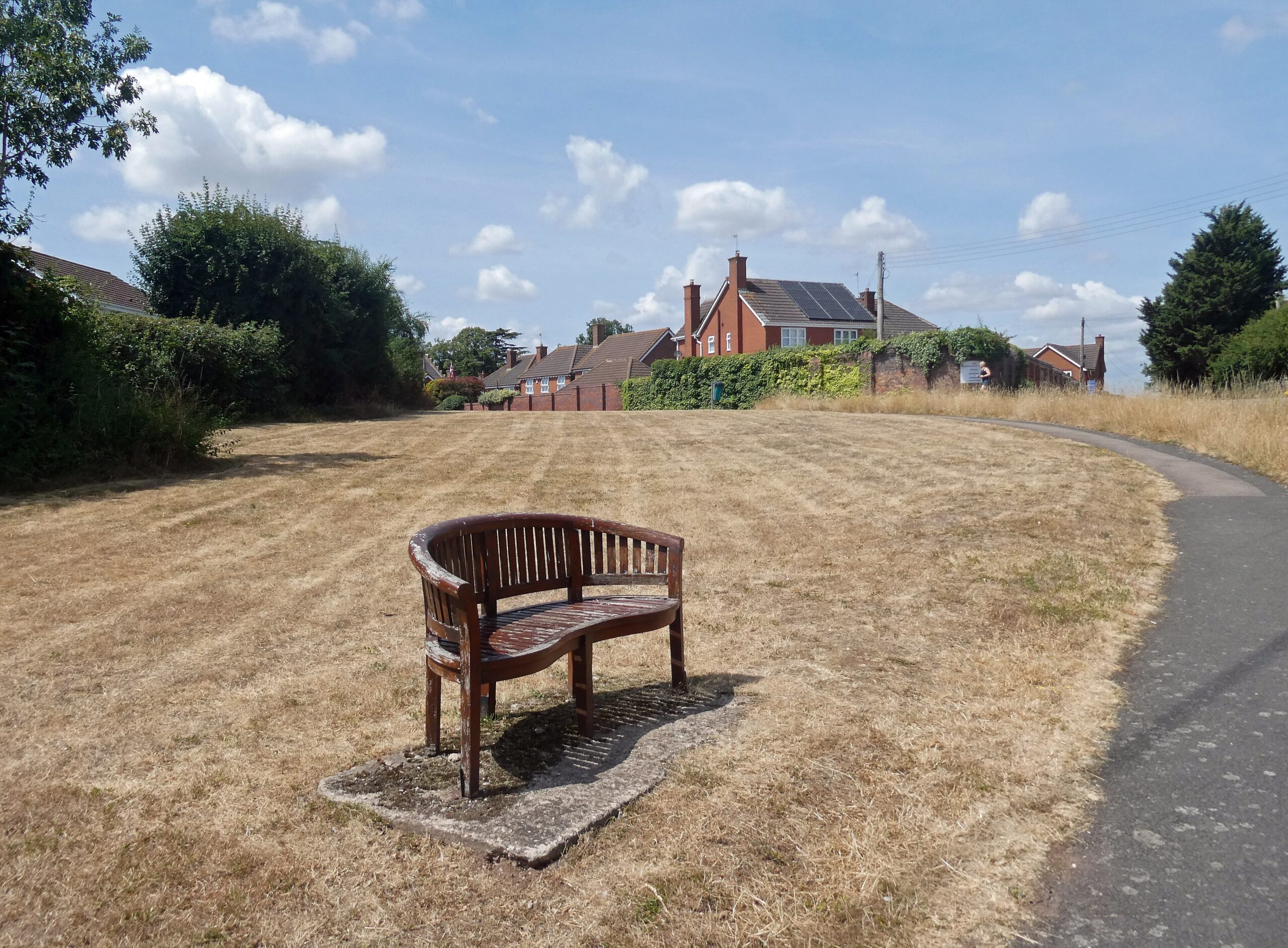
Image: Des Blenkinsopp – CC BY-SA 2.0/Wikimedia Commons