Bartlett Tree Experts Says Maine Call Volume Ramps Up Before Winter, When Ice, Shifting Winds and Freeze-Thaw Swings Turn Weak Limbs Into Storm Damage at Home
Before the first big ice storm, the phones at Bartlett Tree Experts start ringing in Maine, and arborist representative Will Buckley told WGME in early November that “the call volume ramps up this time of year.” Homeowners are trying to get weak limbs looked at before winter tests them. His advice is to have a licensed arborist inspect the trees around the house now, while a problem branch can still be handled on the homeowner’s schedule instead of the storm’s.
What Winter Does to a Weak Limb
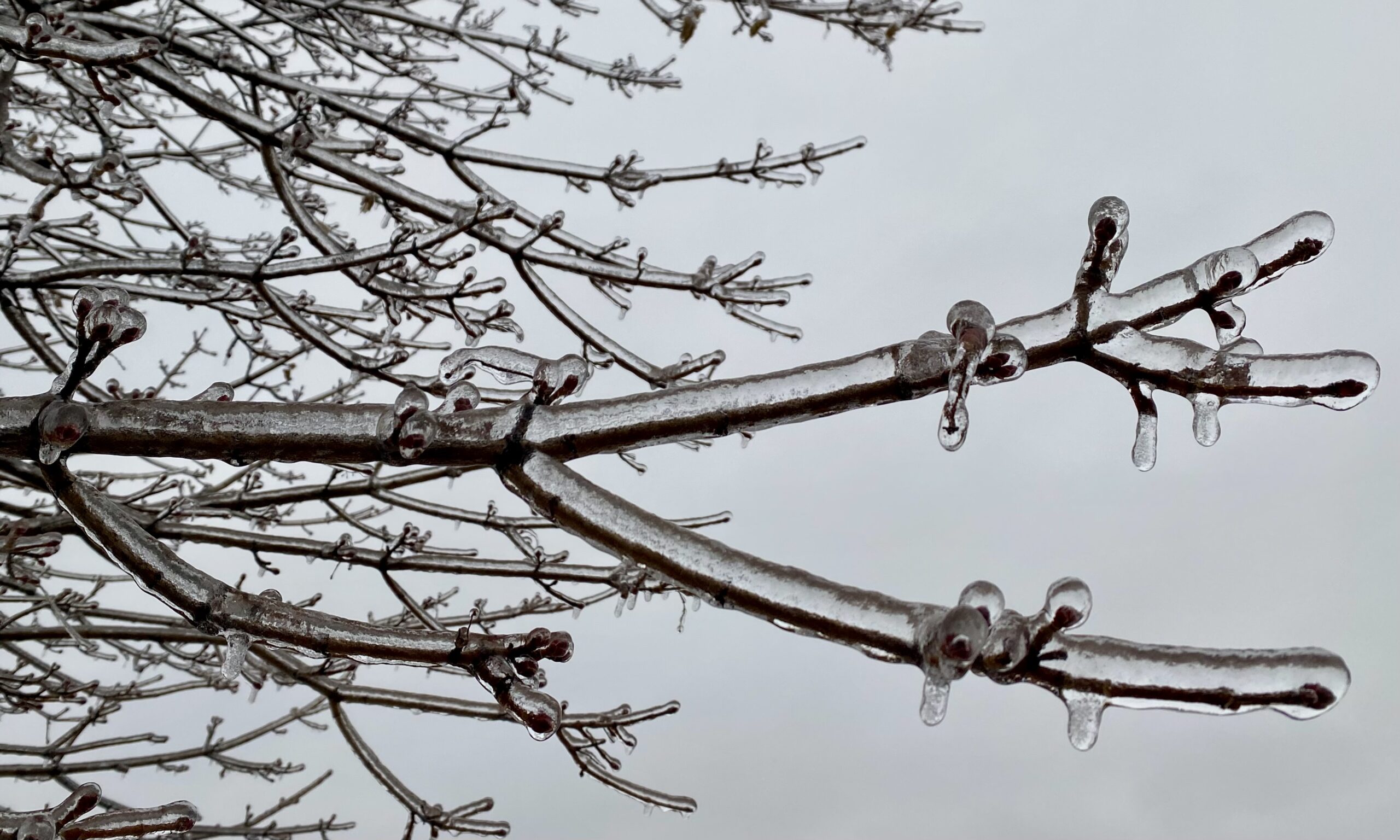
Maine winters hit trees from several directions at once. Ice, snow, wind that shifts direction and repeated swings between warm and cold all add stress, according to WGME’s Nov. 6 report by meteorologist Ryan Munn.
A branch that has quietly weakened over the summer can carry far more weight than usual once it is coated in ice. When that branch hangs over a house, a driveway or a heavily used part of the yard, the damage can be serious.
That is why Buckley and others push for inspections before the season turns. Bartlett encourages people to be proactive, he said, and there is never a bad time to have a licensed arborist check a property, especially before winter.
What an Arborist Looks At
An inspection is more than a glance from the driveway. Buckley described a full 360-degree inspection. Inspectors look at a tree from every side and check its root zone, its trunk and any heavy limbs that could cause damage if they come down, the station reported. They also consider how often people use the area underneath, since a weak limb over a busy spot poses more risk than one over a corner nobody walks through.
When work is needed, crews mostly use bucket trucks. Bartlett also has six to 10 climbers who use rope-and-saddle systems to climb trees and isolate the sections they work on, according to the same report on sister station Fox23 Maine.
The Cost of Waiting
Fallen trees are a common and costly insurance claim. In a Consumer Reports survey of members with settled claims, the median tree claim was $4,110, and fallen trees caused 7% of settled claims, Consumer Reports said. Coverage for removing a downed tree is often capped at $500 to $1,000.
Waiting can be far costlier than a median claim, as an Ulster family found when a dead tree they had warned a neighbor about for years wrecked their home. The same report notes that when a neighbor’s tree falls on a house, the homeowner usually files with their own insurer, even though the tree was rooted next door. It recommends having an arborist remove or trim hazardous trees ahead of time.
Other gardening experts are giving the same pre-winter advice. In Texas, horticulturist Neil Sperry recommends removing damaged or dead branches from shade trees before winter snow and ice storms, and says “it’s safest to hire a certified arborist” for the job.
Other Late-Fall Tree Chores
An inspection is not the only thing trees need before the ground freezes. An AgriNews late-fall checklist recommends pulling mulch a few inches back from trunks to discourage rodents, and protecting thin-barked trees like maples and many fruit trees by wrapping the trunks or painting their south- and southwest-facing sides with white latex paint. Wraps should come off by early spring.
Elsewhere in New England, the Acton Garden Club in Massachusetts is telling gardeners to keep watering trees and shrubs until the ground freezes, then spread 2 to 3 inches of organic mulch around them, kept a few inches from trunks. It also suggests an anti-desiccant spray late in the month for vulnerable broadleaf evergreens.
The same AgriNews checklist suggests quarter-inch metal hardware cloth to keep rabbits and rodents away from young trunks over winter.
Deer are another winter threat to landscape trees and shrubs. The Acton Garden Club recommends applying deer repellent to yew, holly and rhododendron to discourage winter browsing, and burying the roots of any plants that never made it into the ground this year in a trench covered with chopped leaves or bark mulch until spring.
Fall Is Still Planting Season
Winter prep is not only about protecting old trees. Sperry points out that end-of-season nursery sales are a good time to buy trees and shrubs, because planting now lets them begin establishing new roots over the winter and early spring, before summer. After cleaning up perennial beds, he recommends about an inch of mulch to cut down on weed germination.
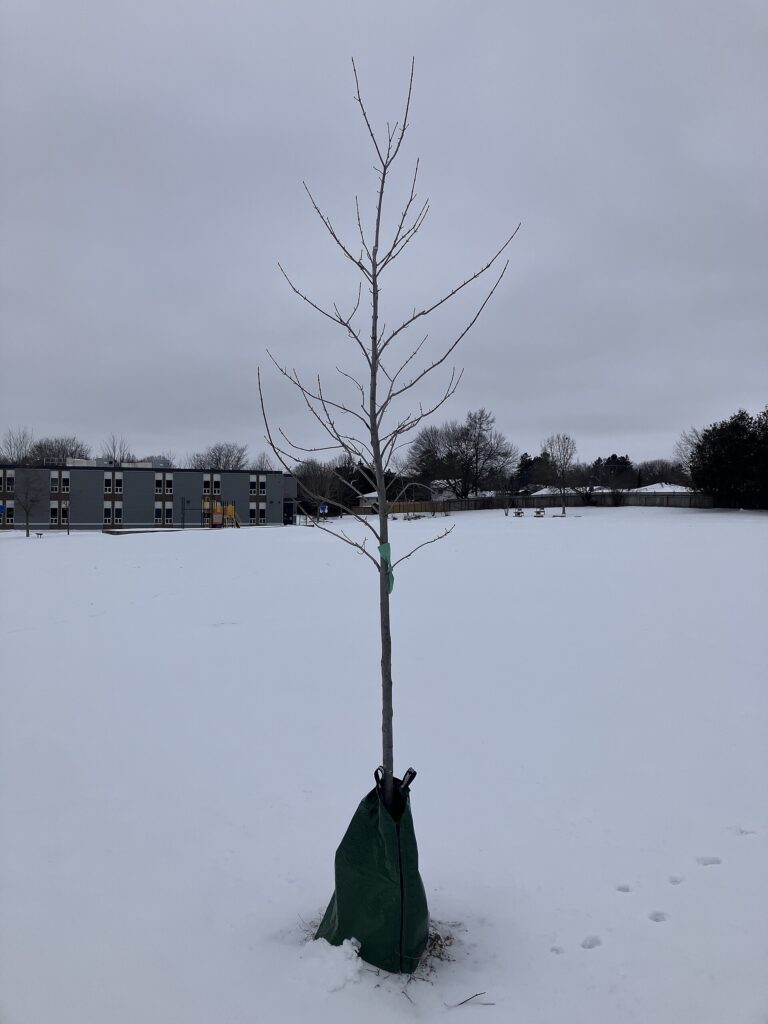
A newly planted tree still needs the same pre-winter attention as an old one: water until the ground freezes, mulch kept off the trunk, and protection from rodents and deer. Getting those basics done in November means fewer surprises when the first ice storm arrives.
For Maine homeowners, the window is narrowing. Buckley’s point is that the best time to find a cracked limb is on a calm November afternoon, not after an ice storm has already brought it down.
This article was produced with AI assistance and edited for accuracy against the sources linked above.
Image: Andre Carrotflower – CC BY-SA 4.0/Wikimedia Commons