Mark Hoppus Won His Fight Over a Neighbor’s Too-Tall Pine Tree in Beverly Hills. Now He’s Trying to Collect the $680,941 She Owes.
Most tree fights between neighbors end with a chainsaw or a shrug. Blink-182’s Mark Hoppus took his to court, won, and is now chasing the bill. A new filing says his Beverly Hills neighbor owes $680,941.57 in attorney’s fees and interest from the fight over a pine tree she was supposed to keep short.
Hoppus filed a writ of execution on Friday, Nov. 13, to collect the money, TMZ reported on Nov. 16. The neighbor, who has not been named in the coverage, has not paid, according to the filing.
A Pine That Was Supposed to Stop at 15 Feet
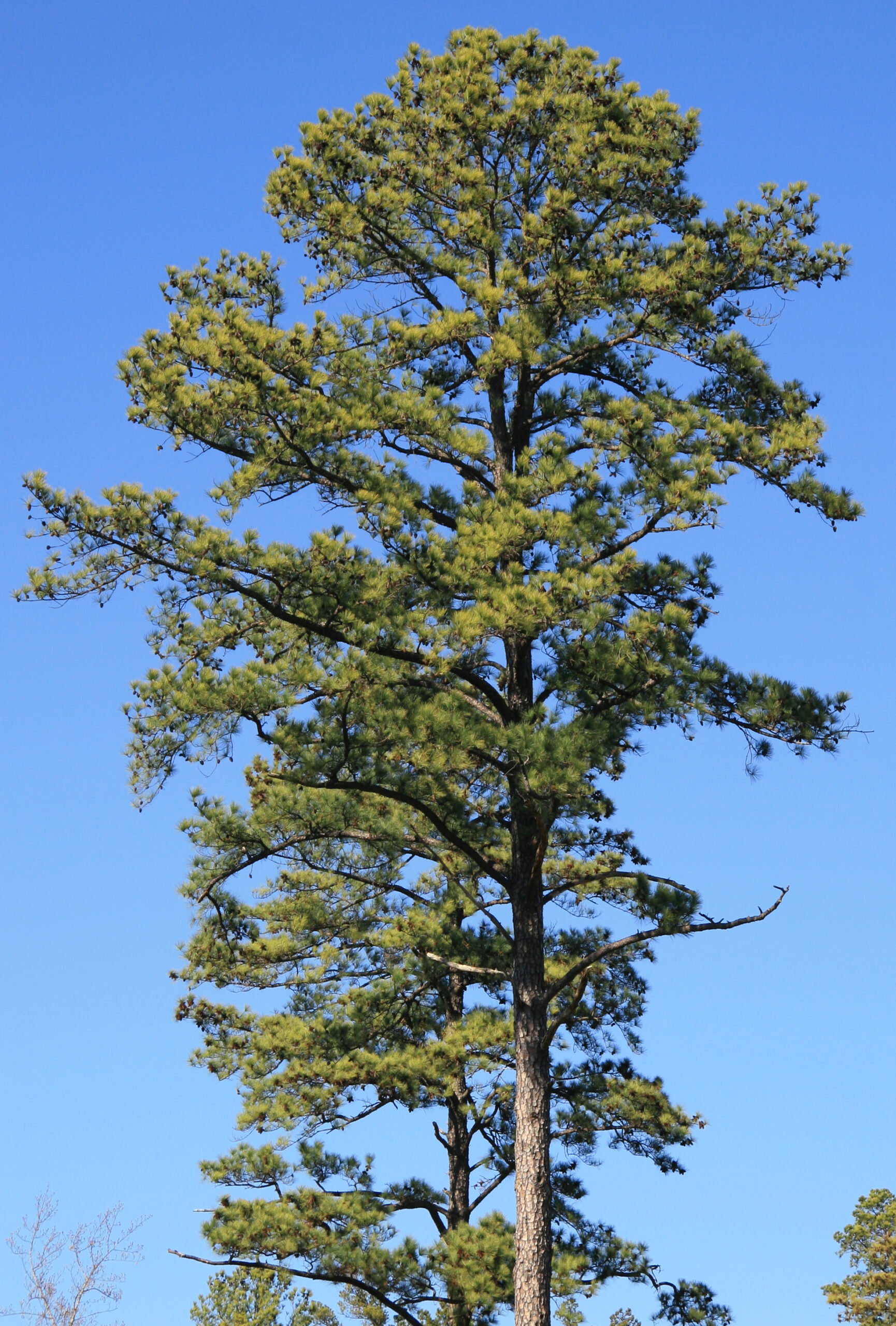
The dispute dates to June 2023, when Hoppus and his wife, Skye, sued the woman next door. As TMZ reported at the time, the couple said a planning commission had set landscaping rules for her property years earlier. Those rules required her to remove certain trees and keep a pine at no more than 15 feet tall.
The Hoppuses said she ignored the limit. In their account, the pine kept growing past 15 feet, new trees went in where removed ones had stood, and the result blocked the view from their home. They said she also ignored repeated requests to keep the trees trimmed before they went to court. The suit asked for an order forcing her to follow the rules, plus damages.
They Won, and the Fees Followed
The couple won the case in February, according to the coverage. In June, a judge signed an order requiring the neighbor to trim or remove certain trees, make some landscaping changes and pay $655,000 toward the couple’s attorney’s fees.
That kind of order is an injunction, which Cornell Law School’s Legal Information Institute describes as a court order requiring a person to do, or stop doing, a specific act. In a tree case, it is what turns a planning rule on paper into a deadline with a saw attached.
Why the Number Grew
The fee award has not been paid, Hoppus’s lawyers say, and it has been collecting interest. The Nov. 13 filing seeks the original $655,000 plus about $25,000 in interest, for a total of $680,941.57, Reality Tea reported.
A writ of execution is the tool a winning party uses to collect. The Legal Information Institute describes it as a court order directing an officer, usually a sheriff, to enforce a judgment, which can include seizing or selling the debtor’s property to pay it.
A Celebrity Version of a Very Common Fight
Strip away the famous name and the case looks like thousands of others: one neighbor’s trees, another neighbor’s view, and a rule about how tall things are allowed to grow. The difference is how far this one went. Few homeowners take a tree dispute through a full trial, and fewer end up with a six-figure fee award at the end.
Tree cases elsewhere have turned costly too. In Alabama, landowner Fenn Church watched Alabama Power clear about 300 yards of trees on his land before a judge refused to keep him away from the crews, and another homeowner learned from a survey that a neighbor’s chainsaw had crossed the property line.
What Comes Next
The coverage did not say whether the court-ordered trimming has been done, or how the neighbor plans to respond to the collection effort. The filing makes clear only that Hoppus considers the fee award unpaid and wants it enforced.
For a dispute that started over how tall a single pine was allowed to grow, the price tag is now well past half a million dollars, and the meter is still running.
This article was produced with AI assistance and edited for accuracy against the sources linked above.
Image: Will Fisher from Richmond, VA, United States – CC BY-SA 2.0/Wikimedia Commons