Missouri Garden Centers Have Until Jan. 1, 2027, to Stop Selling Japanese Honeysuckle, Wintercreeper and Two Other Invasive Plants
Missouri gardeners who were planning to buy Japanese honeysuckle or wintercreeper have about seven weeks left to find it at a local nursery. Under a state law that took effect in 2025, nursery dealers may not sell four invasive plants on or after Jan. 1, 2027, and two more familiar yard plants, Callery pear and burning bush, follow two years later.
The rule is written into Section 263.070 of the Missouri Revised Statutes, which governs how nursery dealers register with the state each year.
The four plants leaving shelves on Jan. 1
The statute lists the first group by name. Starting Jan. 1, 2027, dealers must affirm that they will not knowingly import, export, buy, sell, transport, distribute or propagate any viable plant parts or seeds of:
- Climbing euonymus, the Euonymus fortunei variety Coloratus, often sold as wintercreeper
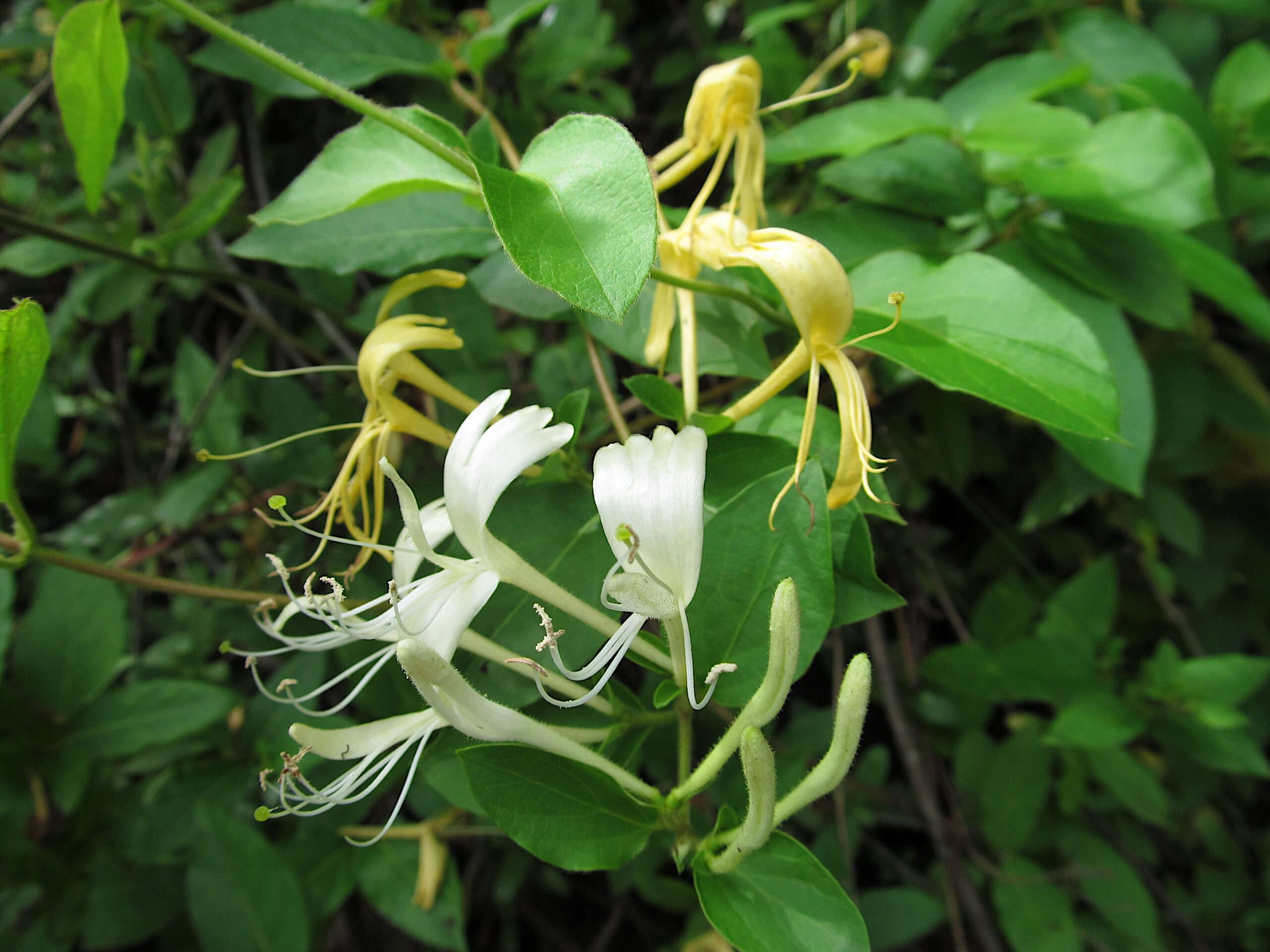
- All varieties and cultivars of Japanese honeysuckle
- All varieties and cultivars of sericea lespedeza
- Perilla mint
Sericea lespedeza is a perennial legume brought in after the Dust Bowl to control erosion, and its seeds can stay viable for more than 20 years, according to Angela Sokolowski, invasive species coordinator for the Missouri Department of Conservation. “Farmers spend a lot of money to spray out invasives from their pastures,” she told the Jefferson City News Tribune.
Callery pear and burning bush come next
The same section bars dealers from selling burning bush, Euonymus alatus ‘Compactus,’ and all varieties and cultivars of Callery pear on or after Jan. 1, 2029. The News Tribune reported that lawmakers gave those two a longer runway because the landscaping industry uses them.
Callery pear, the species behind the popular Bradford pear, was brought from China and Taiwan in the 20th century for landscaping, the News Tribune reported. Sokolowski told the paper that “Callery Pear is kind of the poster child of invasive plants.” She said the Bradford variety was marketed as sterile but can cross with wild pear trees and produce viable seed.
Sokolowski described the whole group simply. “They’re just kind of bullies,” she said.
How the ban came about
The law began as Senate Bill 105, sponsored by Sen. Mike Bernskoetter of Jefferson City and carried in the House by Rep. Bruce Sassmann. According to the Missouri Invasive Plant Council, Gov. Mike Kehoe signed it on July 14, 2025, and it took effect Aug. 28, 2025. The staggered dates were meant to let sellers clear existing inventory.
KCUR reported that the House passed the bill 124-19. Sassmann said at the time that stopping sales could help keep the plants out of parts of Missouri where they have not yet taken hold, before they spread “across the entire state of Missouri.” The Missouri Cattlemen’s Association asked for perilla mint to be included because it can kill cows.
Carol Davit, who chairs the invasive plant council, told KSMU after the signing that the group was “extremely pleased with this wonderful news.” She has said invasive plants crowd out natives that insects depend on, which in turn hurts the songbirds and pollinators that feed on those insects.
Sokolowski told West Newsmagazine the point is that shoppers “won’t be able to walk into a store and unknowingly buy” a plant that harms the state’s environment. She also warned that burning bush “has the potential to be the next bush honeysuckle.”
How the rule is enforced at the nursery
The ban works through the paperwork every nursery already files. Under Section 263.070, a dealer signs an affidavit with its annual registration and inspection application promising not to handle the listed plants, and that affidavit is required for each separate location where the dealer sells or offers nursery stock.
The section does not spell out a separate fine for breaking the affidavit. KSMU reported that the phase-out dates were set to ease financial losses for sellers who were still holding stock when the law passed.
Gardeners trying to identify these plants before they buy, or in their own beds, have a seasonal advantage right now. As UNH Extension’s Jo Russavage has noted, fall is the easiest time to spot burning bush and other invasive shrubs. Kentucky has taken a different approach to pears, with programs that trade a free native tree for proof a Bradford pear was cut down.
What it means for plants already in the yard
The statute is aimed at nursery dealers. It sets rules for what registered dealers may sell and propagate, and nothing in Section 263.070 orders homeowners to dig out wintercreeper, honeysuckle, burning bush or pear trees already growing on their property.
That leaves the choice to each gardener. The conservation department’s concern, as Sokolowski described it, is spread: these plants escape where they are planted and take over pastures and open ground. She told the News Tribune that Callery pear spreads mainly into open ground such as pastures and abandoned parking lots rather than regularly kept yards.
This article was produced with AI assistance and edited for accuracy against the sources linked above.
Image: Cbaile19 – CC0/Wikimedia Commons