A Maryland Homeowner Says the Neighbor Admitted Buying Chemicals to Kill Three Pear Trees on the Property Line, Then the Branches Facing His Yard Started Dying
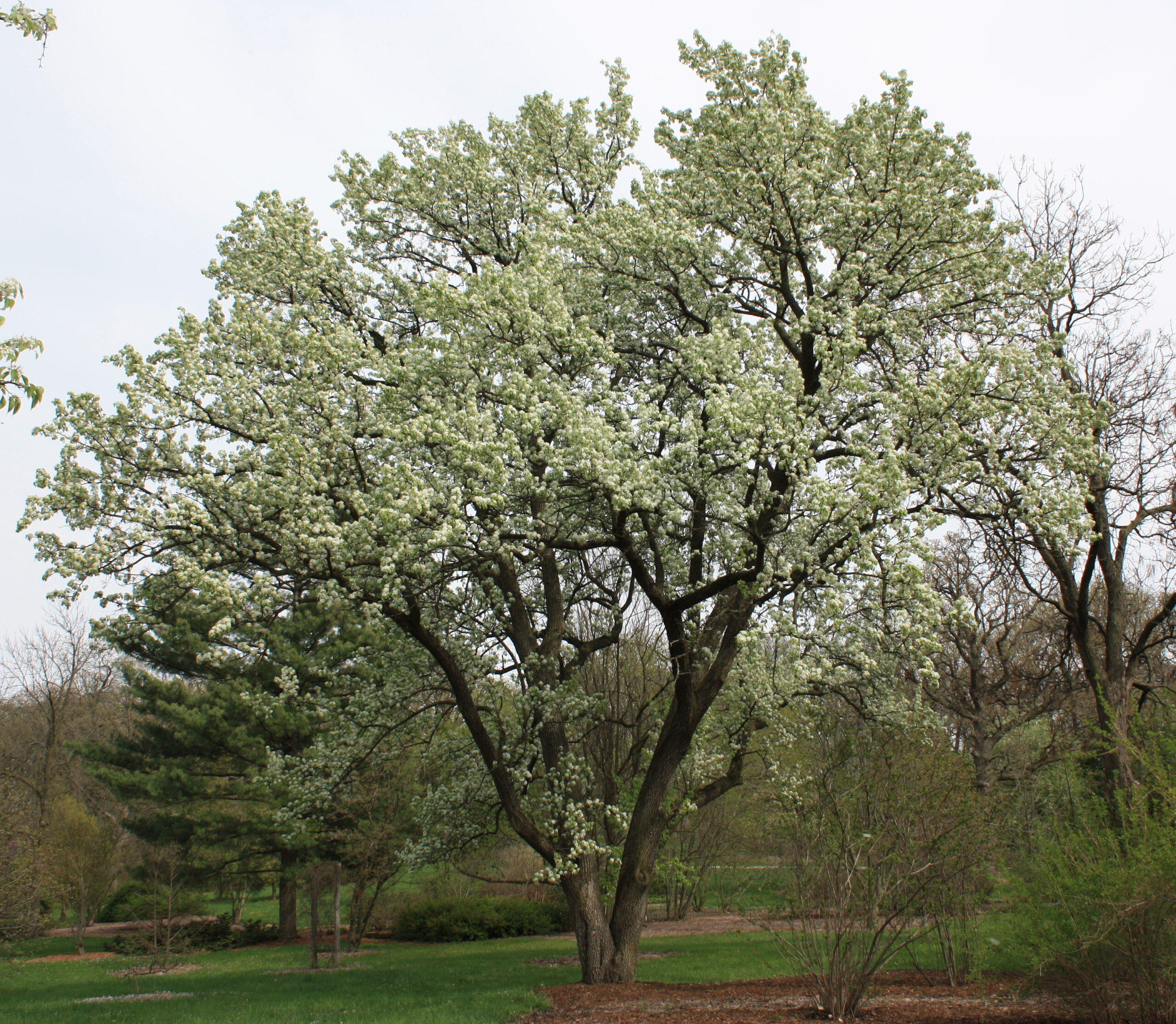
Three Callery pear trees have stood along the edge of a Maryland yard for years, planted by a previous owner long before the current homeowner moved in. Their trunks sit on the homeowner’s side of the line. Their branches do not. That overhang has turned into a four-year standoff with the man next door, and this spring the leaves on the side facing his yard began to wither.
The homeowner’s account was written up by Dana Daly and published on Yahoo News on Nov. 9. According to that account, the neighbor admitted buying chemicals with the intent of killing the trees. The homeowner says there is no direct proof he sprayed them, but is convinced he did, and is now seeking a restraining order.
Four Years of Complaints Over Fallen Fruit and Leaves
The trouble started soon after the homeowner bought the house, about four years ago. The neighbor complained again and again about the mess the pears dropped into his yard and asked to have the trees taken down.
The homeowner offered a middle ground, according to the Yahoo report: the trees could come out if the neighbor paid for a professional removal. That offer went nowhere. The relationship soured, and the neighbor largely stopped speaking to the family.
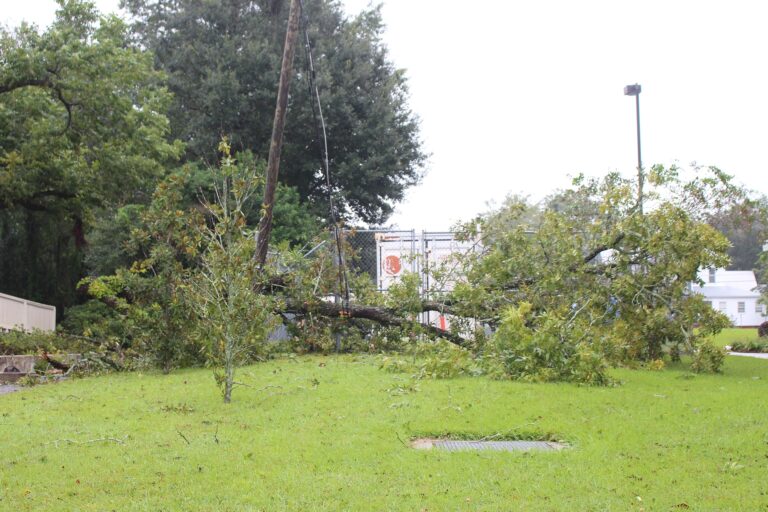
Then, around May 2026, the leaves on the branches reaching toward the neighbor’s property started dying. The grass under those branches was damaged too. The homeowner and his wife noticed the pattern at the same time. The homeowner wrote that there was no reason to think the neighbor had stepped onto the property, but that he was certain the neighbor had sprayed the trees.
The account includes another incident. About two months before the post, the homeowner says, he was washing his car when the neighbor’s riding mower threw a rock into his face, leaving a scar on his cheek. He also says the neighbor made threats in the days before he went public, though he did not spell them out. The neighbor’s side of the story does not appear in the report.
What Herbicide Damage Looks Like, and What Can Mimic It
Dying leaves on one side of a tree are a classic warning sign, but they are not proof. The University of Maryland Extension says herbicide injury often shows up as discolored or distorted leaves, with new growth hit hardest. Glyphosate can stop growth, turn leaves yellow and then brown, and plants treated in fall may not show symptoms until the next spring.
The same guidance warns that weather injury, improper care, insects, mites and disease can all produce symptoms that look a lot like chemical damage. The extension’s broader list of nonliving tree problems also includes excess water, freeze damage, storm injury and mechanical wounds to the bark.
For a tree owner who suspects spraying, the extension’s advice is practical. If a plant is known to have been sprayed, hosing the leaves down right away can reduce the damage, though anything already absorbed cannot be rinsed off. Deep watering, patience and pruning out the dead branches come next. Some plants recover fully. Others have to be replaced.
The Trees Themselves Are Now Banned From Sale in Maryland
There is an irony at the center of the fight. The homeowner says he had planned to remove the pears eventually, but now wants to keep them “at all costs,” adding that the squirrels enjoy the fruit.
Maryland, meanwhile, has turned against the species. The Maryland Department of Agriculture’s prohibited invasive plant list added Callery pear with an effective date of Jan. 15, 2026. Nurseries must clear potted stock by Jan. 15, 2027, and in-ground stock by Jan. 15, 2028.
The University of Maryland Extension’s page on Callery and Bradford pear explains why. The tree was brought to the U.S. from East Asia in 1908 as an ornamental. Birds eat the small fruit and spread the seeds, and the trees now form dense, thorny thickets that crowd out native plants. The extension recommends against planting it and suggests serviceberry, flowering dogwood and fringetree as native white-flowering replacements.
The ban covers sales, not trees already growing in backyards. Nothing in the state rule requires the homeowner to cut his down.
Where a Restraining Order Fits In
In Maryland, the tool for a dispute with a neighbor is usually a peace order rather than a protective order. The Maryland People’s Law Library explains that peace orders are meant for someone who “wishes to be left alone,” including from a neighbor or a stranger.
Qualifying acts include harassment, trespassing and malicious destruction of property. A petition has to be filed within 30 days of the act, in District Court. A final peace order can last up to six months, and violating one is a misdemeanor that can bring a fine of up to $1,000 or up to 90 days in jail.
That 30-day window matters here. The leaf damage dates to the spring, while the threats the homeowner describes came only days before he shared his story.
A Fight That Could Have Ended With a Pruning Saw
The Yahoo report points to a University of Maryland agricultural law analysis on overhanging branches: property owners can generally trim limbs back to their own property line without entering the neighbor’s land. That leaves the man next door with a lawful option for the overhang that does not involve chemicals.
Lovely Garden Roots has covered several similar cases, including a homeowner who found all 18 arborvitae dying on the side facing a neighbor’s shed and another whose neighbor sprayed a mango tree to stop the falling leaves.
For now, the three pears are still standing, a little bare on one side. Whether they leaf out fully next spring may say as much about what happened as any court filing.
This article was produced with AI assistance and edited for accuracy against the sources linked above.
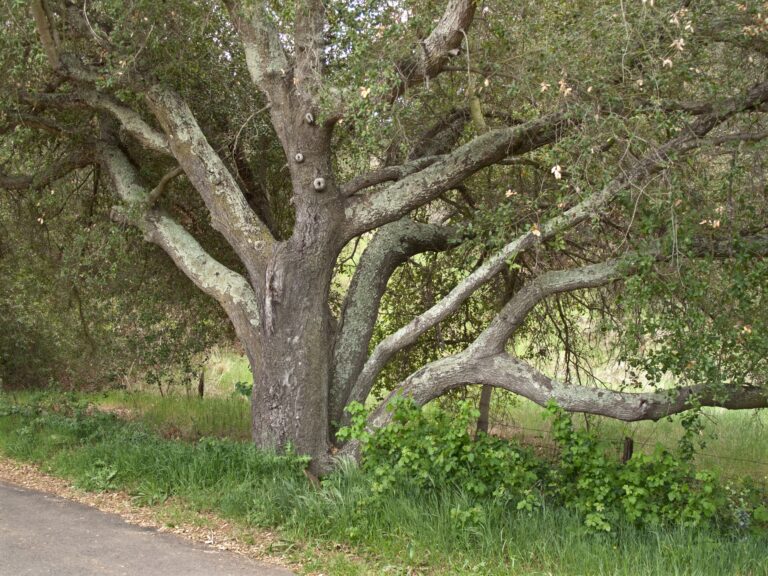
Image: Bruce Marlin – CC BY 3.0/Wikimedia Commons