My Neighbors Kept Mowing My Yard, So I Built a 100-Pound Rock Barrier and Planned a “Wall of Bees”
The neighbors had been mowing onto the property all summer, and the situation finally pushed the homeowner to create a physical boundary they couldn’t simply ignore. After a windstorm destroyed part of the existing fence, the neighbors apparently decided the missing barrier gave them permission to keep mowing farther and farther into the yard.
The homeowner was in the middle of converting an old Bermuda grass lawn into a native garden and cut-flower garden. Some sections hadn’t been planted yet, so the homeowner was deliberately mowing those areas high and letting the asters grow. The neighbors, however, repeatedly mowed into the property at the lowest possible setting, apparently determined to keep the grass looking the way they wanted it.
The Missing Fence Changed Everything
The original fence had been taken down after a windstorm damaged half of it, leaving the property without the clear physical boundary it had before. That seems to have been all the invitation the neighbors needed.
Instead of simply staying on their side of the property line, they began mowing portions of the homeowner’s side yard and backyard. The homeowner was particularly frustrated because the yard wasn’t neglected. There was an intentional plan behind the longer grass and growing native plants.
The problem wasn’t that someone accidentally crossed a few inches with a mower once. According to the homeowner, it happened repeatedly throughout the summer.
The Asters Were Left Alone for a Reason
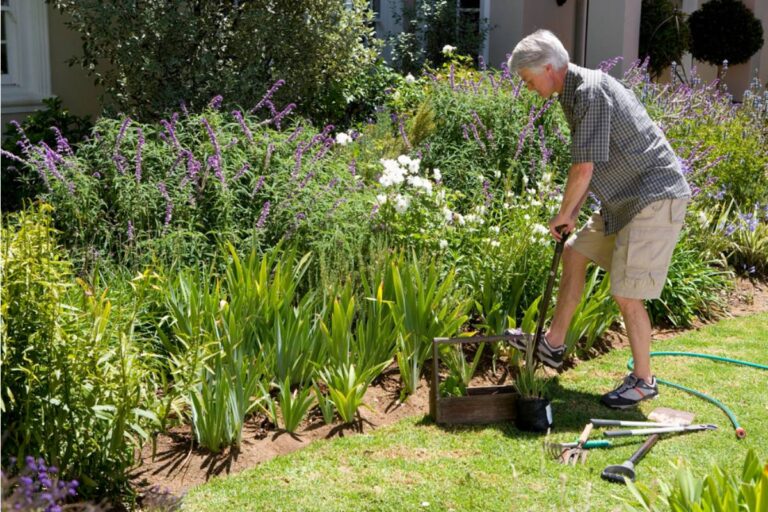
The areas being mowed weren’t supposed to look like a traditional suburban lawn. The homeowner was gradually replacing the Bermuda grass with native plants and flowers, and the asters were being allowed to grow naturally.
That made the neighbor’s decision to mow the area especially irritating. The homeowner wasn’t waiting for someone else to maintain the grass. They were deliberately changing the landscape.
Eventually, the homeowner decided to kill off some of the Bermuda grass with glyphosate as part of the garden conversion.
Then the Neighbor Mowed It Anyway
The homeowner applied the herbicide, apparently expecting the area to remain undisturbed while the grass died back.
Instead, the neighbor mowed it almost immediately.
According to the post, the homeowner was furious because the timing was so ridiculous. The neighbor apparently mowed the area within about ten minutes, turning what was already an irritating property-boundary problem into something much more personal.
At that point, the homeowner decided that simply hoping the neighbor would respect the property line wasn’t working.
The Rocks Became the New Boundary
The homeowner had already started collecting large rocks with plans to use them along the property line. A few were sitting in the garage, so the homeowner’s husband brought them outside and began placing them along their side of the boundary.
The rocks weren’t tiny decorative stones that a mower could simply roll over. Some weighed more than 100 pounds.
That was intentional. If the neighbor wanted to continue driving a mower across the property line, the new landscape would make that considerably harder.
The Neighbor Suddenly Had an Explanation
When the neighbor noticed the rocks, he eventually sent a text to the homeowner’s husband’s old phone.
There was one problem: that phone was now the children’s phone, something the neighbors had apparently already been told. Still, the neighbor sent an apology explaining that he had only mowed the area because the “weeds” were growing through the fence.
The homeowner wasn’t particularly convinced by that explanation.
For one thing, the disputed area was reportedly about 99 percent Bermuda grass, while the asters the homeowner cared about were growing considerably farther into the property. More importantly, the homeowner claimed to be outside almost every day and knew the mowing hadn’t happened just once.
The Apology Didn’t End the Argument
The homeowner’s husband and the neighbors eventually had another confrontation about the rocks.
The neighbors complained that nobody had responded to their apology and pointed out that they had sent the text. They also objected to the rocks, characterizing them as “revenge.”
That accusation seemed to bother the homeowner because the rocks weren’t being placed randomly in the middle of the neighbors’ yard. They were being placed on the homeowner’s side of the property line.
The neighbors nevertheless wanted them moved.
The Rocks Were Too Heavy to Move
There was an obvious practical problem with that demand.
The rocks weighed more than 100 pounds, and the neighbors were described as too frail to move them themselves. The homeowner’s husband apparently wasn’t interested in volunteering to remove the barrier either.
Instead, he told them that the rocks were part of a larger landscaping plan.
And he didn’t even tell them everything.
There Was More Coming
The homeowner already had plans to extend the rock border considerably farther.
Behind the rocks, on the homeowner’s side of the property, they planned to plant a full screen of sunflowers and mountain mint.
So the rocks weren’t the end of the boundary project. They were just the beginning.
The homeowner clearly expected the new planting to make it even less possible for the neighbors to casually mow wherever they pleased.
The “Wall of Bees” Became the Best Part
The homeowner’s tongue-in-cheek description of the future garden was that there would be a “wall of bees.”
That line immediately became one of the most popular parts of the discussion.
One commenter simply responded, “Wall of bees FTW!”
Others joked about the idea of producing enough flowers to attract bees and possibly more birds, while several people encouraged the homeowner to continue with the native landscaping.
The homeowner seemed particularly amused by the idea that the neighbors might eventually have to look at a much wilder, more pollinator-friendly landscape than the lawn they apparently preferred.
Other People Recommended a Fence
Not everyone thought rocks were the best solution.
Several commenters immediately recommended replacing the fence, arguing that a physical barrier would eliminate the dispute entirely.
The homeowner explained that the situation wasn’t quite that simple.
Because the property was on a corner and there were roads involved, there were setback and visibility considerations. A fence couldn’t simply be installed everywhere the homeowner wanted one.
That was part of the reason the rocks made sense.
The Camera Advice Kept Coming
Another common recommendation was security cameras.
Commenters pointed out that the neighbor’s behavior could potentially escalate. One person specifically warned that if the neighbor became angry about the new garden, herbicide could become the next problem.
The homeowner said the situation was already being documented and revealed another useful detail: the neighboring HOA vice president had a camera pointed toward the relevant portion of the property.
Even better for the homeowner, the HOA representative apparently supported the native landscaping project.
The HOA Was Surprisingly Supportive
The homeowner explained that the HOA was very small and mostly inactive, but the vice president personally liked the project and approved of what they were doing.
That was a major relief because HOA disputes can make landscaping disagreements dramatically worse.
Instead of having another authority complain about the unconventional yard, the homeowner had someone nearby who actually supported it and had a camera covering part of the area.
The homeowner also said they were keeping records of everything.
The Native Plants Were Going to Continue
The homeowner wasn’t abandoning the garden simply because the neighbors disliked it.
Coral honeysuckle had already been started, and the planned sunflowers and mountain mint were next.
One commenter warned that mountain mint could spread aggressively, but the homeowner explained that the particular species being considered were native to the area. They also planned to install deep metal edging to keep the neighboring Bermuda grass from invading the flower beds.
The goal wasn’t to create an invasive mess. It was to replace a conventional lawn with a deliberately designed native landscape.
Some Commenters Wanted an Even Stronger Barrier
The rock idea inspired plenty of alternatives.
People suggested larger boulders, dry-stacked stone walls, additional landscaping, and other physical barriers that would prevent a mower from crossing the property line.
Some commenters even jokingly suggested rebar, although that’s obviously a terrible idea if left exposed because it could injure someone or damage equipment.
The safer suggestions were much simpler: rocks, plants, edging, signs, and cameras.
The Homeowner Had Tried to Give Them Room
One detail made the homeowner’s frustration easier to understand.
They explained that they had deliberately avoided putting a boundary marker in the side yard for a long time because they were trying to give the neighbor enough room to maneuver and turn the mower around.
The arrangement apparently worked until the neighbor began mowing farther into the property.
The final straw was when the mowing reached the backyard along the fence separating the two properties.
At that point, the homeowner decided that being accommodating wasn’t working.
The Next Garden Will Make the Boundary Obvious
The homeowner had originally considered using a beautiful strip of blue-eyed grass as a visual boundary.
But those plants were expensive and delicate, and the homeowner didn’t want to spend money on something that could simply be destroyed by another unauthorized mowing.
So the plan changed.
The rock border would provide the hard boundary, while tougher native plants would provide the living one. Sunflowers would rise behind the rocks, mountain mint would fill in around them, and coral honeysuckle would add another layer to the landscape.
The homeowner even joked that the neighbors liked birds, so perhaps the increased bird activity would eventually make the whole thing worthwhile for everyone.
The Lawn War Was Turning Into a Garden
What started as a dispute over a missing fence had become a much bigger disagreement about what a residential yard was supposed to look like.
The neighbors apparently wanted the grass cut short and uniform. The homeowner wanted asters, native flowers, pollinators, birds, and a landscape that didn’t revolve around maintaining a perfect Bermuda grass lawn.
The rocks finally gave the homeowner a way to make that choice without depending on the neighbors to respect an invisible property line.
And next year, once the flowers and native plants fill in behind that rocky border, the neighbors may have an even harder time pretending they don’t know exactly where the property line is.