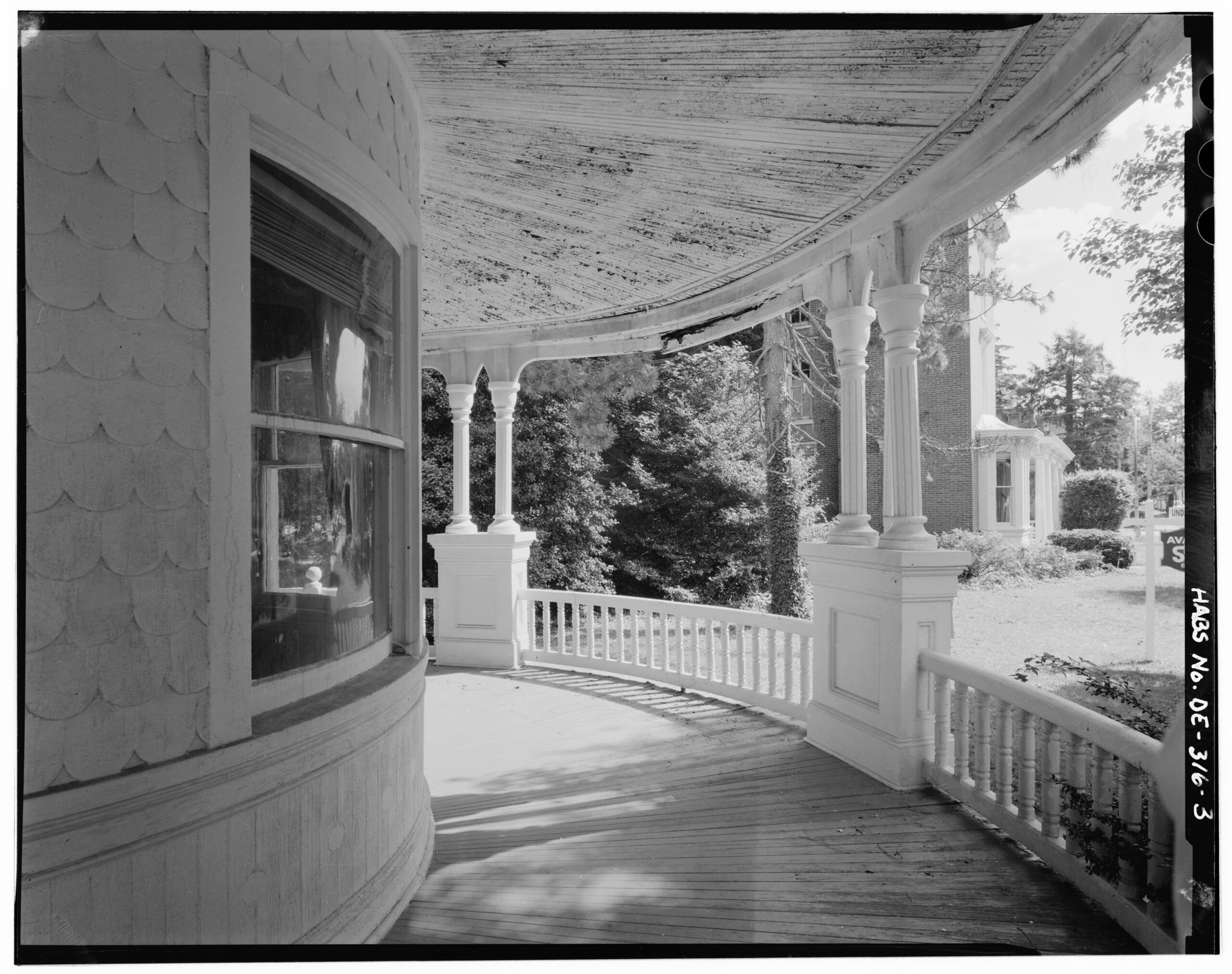
A Neighbor Spent Two Months Hand-Sanding His 126-Year-Old Porch to Bare Wood With No Tarp. The Dust, Possibly From Lead Paint, Coated the House Next Door.
The owner of a 126-year-old duplex in a historic East Coast neighborhood spent two months hand-sanding the porch columns and header down to bare wood. He didn’t put down a tarp, and he didn’t warn the neighbors.
The house next door, its porch and two other nearby properties ended up coated in dust. The neighbor who noticed suspects the old paint contained lead, and is most worried about a nearby family with three young children.
Two Months of Dust
The neighbor described the situation in a homeowners forum, and it was written up by The Cool Down’s Wyatt Fischer. The neighborhood is historic, with a main river less than a quarter mile away. The duplex is 126 years old.
According to the write-up, the sanding went on for about two months. Dust settled on the poster’s house, the poster’s porch and two other neighboring properties.
The duplex owner reportedly said he switched to a vacuum attachment once he reached lead paint. He did not use a tarp or warn the neighbors.
The poster said the concern isn’t really about the man doing the sanding. It’s about the family nearby with three young children.
Why Old Porch Paint Worries Health Officials
At 126 years old, the duplex was built long before 1978, the cutoff that federal lead rules use. The U.S. Environmental Protection Agency’s Renovation, Repair and Painting rule applies to work that disturbs lead-based paint in homes, child care facilities and kindergartens built before 1978. Firms doing that work must be certified, and individual workers must be certified renovators who follow lead-safe work practices.
The Centers for Disease Control and Prevention says no safe blood lead level has been identified in children, and that even low levels are linked to developmental delays, learning difficulties and behavioral problems. Children under 6 are at higher risk because they often put toys and dirt in their mouths. Chipping or peeling paint in homes built before 1978 is one of the most common sources, according to CDC, which estimates about 500,000 U.S. children have blood lead levels at or above its reference value of 3.5 micrograms per deciliter.
Porches are a known trouble spot. A HUD-funded study described by the National Center for Healthy Housing, done with the University of Rochester and the City of Rochester, found that before lead work, porch floor dust in the homes studied averaged 68 micrograms of lead per square foot, more than three times the 18 found on interior floors. In homes where lead work was done elsewhere but the porch was left untreated, porch dust lead rose 97% right after the work.
What Federal Rules Say About DIY Work
Whether the federal rule applies to this duplex owner depends on details the post doesn’t give. EPA’s guidance for homeowners doing their own work says the rule generally does not apply to homeowners renovating their own homes. It does apply if the owner rents out all or part of the home, runs a child care center there, or buys, renovates and sells homes for profit. Either way, EPA recommends hiring a lead-safe certified contractor for this kind of work on a pre-1978 home.
The agency’s advice for that kind of work is specific. It starts with containment: covering floors with plastic sheeting, sealing doors and vents, closing windows and posting warning signs. It also calls for misting surfaces with a spray bottle before sanding, scraping or cutting to keep dust down, using wet-dry sandpaper or a sanding sponge, and running power tools only with HEPA-filtered vacuum attachments. For paint removal, EPA lists a low-temperature heat gun under 1,100 degrees Fahrenheit or a chemical stripper. Cleanup is supposed to happen at the end of every workday, with a HEPA vacuum and wet disposable cloths wiped over surfaces until they come up clean.
Commenters on the original post pointed in the same direction. They suggested contacting the city, confirming whether lead is present through testing and reviewing EPA’s renovation rules. One suggested that paint stripper or a professional abatement company would have been a better choice than sanding.
What the Neighbor Can Do Now
CDC says a blood lead test is the best way to know whether a child has been exposed, and that parents can ask a health care provider whether one is needed. A certified lead inspector can test a home for lead.
Neighbor renovation fights over runoff and dust have come up before, including a homeowner who watched muddy dogs run through runoff after a neighbor pressure-washed paint off a century-old house and another whose neighbor’s contractor poured concrete close enough to change her garden soil.
The write-up doesn’t say whether the city has been contacted, whether any testing has been done, or how the family with three children has responded. It also doesn’t say whether the sanding is finished.
This article was produced with AI assistance and edited for accuracy against the sources linked above.
Image: Historic American Buildings Survey – Public domain/Wikimedia Commons