One of the Big Trees in the Front Yard of a Rose Park Home for Sale Vanished Over the Summer. Utah’s Consumer Protection Chief Says It May Have Been a Scam.
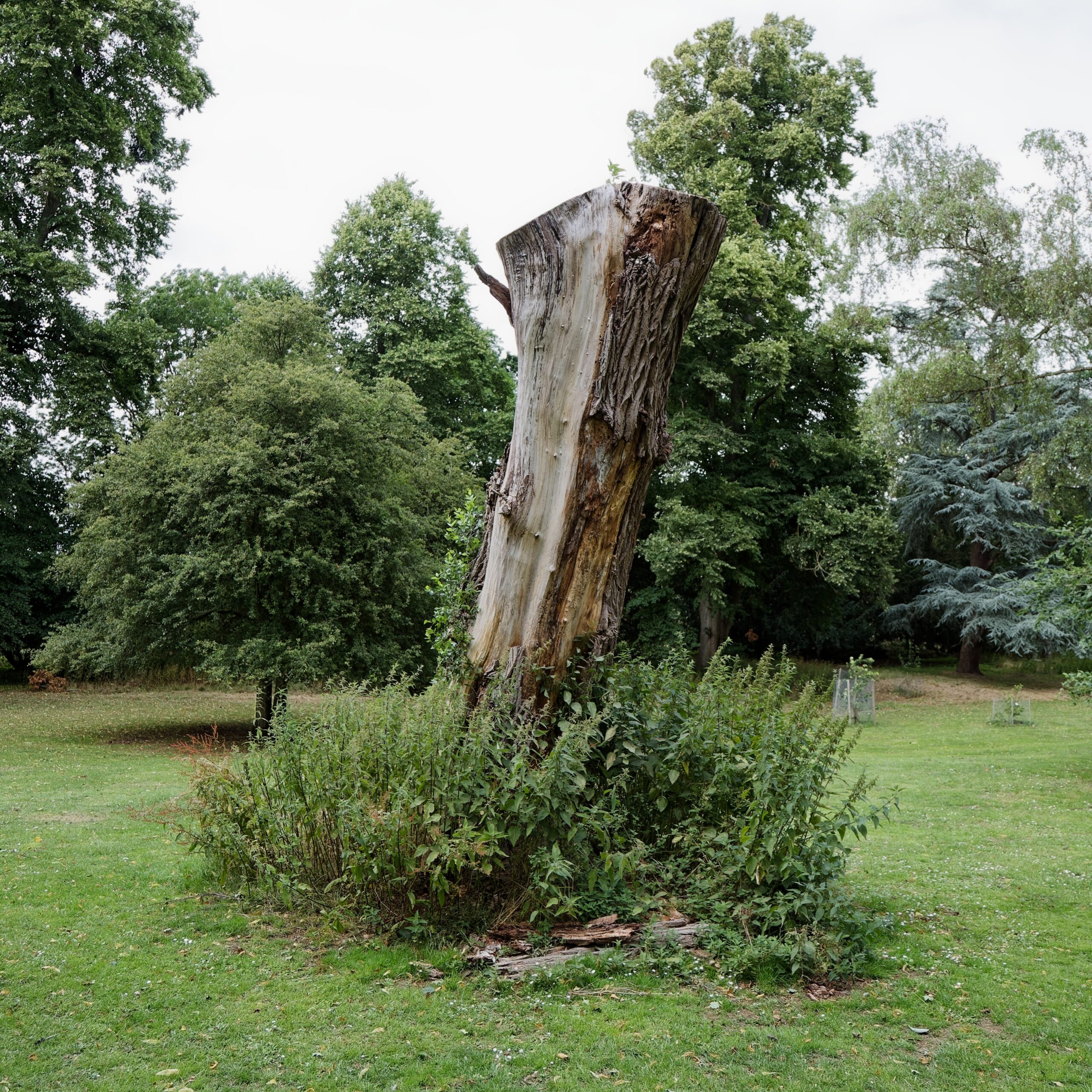
Cindy Maestas did not notice it at first. Her parents’ house in Salt Lake City’s Rose Park neighborhood sat empty and listed for sale over the summer, and only months later, after it sold, did she drive by and see that one of the huge trees in the front yard was simply gone.
The family still has no answer for who had it cut down. Maestas told KUTV reporter Kristen McPeek that she still does not know who removed it. Her brother said he knew nothing about it. The head of Utah’s consumer protection office thinks the answer may be a scam.
A Tree Gone From an Empty House
Maestas told KUTV, which reported the story on Oct. 27, that she simply drove past one day and found one of the huge front-yard trees had “magically disappeared.” The removal happened while the house was vacant and on the market, the station said, and the family did not piece it together until after the sale had closed.
She shared what happened to warn others. With no one living in the house, there was no one there to see a crew arrive, ask who sent them or call the family.
Why a State Official Suspects an Overpayment Scam
Daniel Larsen, interim director of the Utah Division of Consumer Protection, told KUTV his office had not received any reports about this case. But he said it could have been a check overpayment scam.
In that kind of scheme, a buyer or customer sends a check for more than the price of a product or service and asks for the extra to be sent back. The original check is usually drawn on a compromised account, so it bounces once the theft is found, leaving the person who refunded the difference out that money. Larsen told the station that when someone sends too much money, it is almost always a scam.
The Federal Trade Commission’s guide to fake check scams describes the same pattern. A scammer sends a check for more than is owed and always has a reason the recipient cannot keep the full amount. The checks can look real even to bank employees, and the FTC warns that “it can take weeks for a bank to figure out that the check is a fake.” By then, any money sent back is gone, and the person who deposited the check may have to repay the bank.
The FTC’s advice is blunt: a check written for more than the selling price should be turned down.
The agency lists several versions of the same trick, from fake mystery-shopping and personal-assistant jobs to sweepstakes “prizes” that require paying fees first, and buyers on online marketplaces who send too much and ask for a refund of the difference. The common thread is a request to send part of the money onward, often by gift card, wire transfer or cryptocurrency. “Anyone who demands payment by gift card is always a scammer,” the FTC says.
What Tree Crews and Families Can Check
Larsen’s advice was aimed at the businesses that do the work. Anyone hired to work at a vacant home should verify who they are dealing with and confirm that person has the authority to approve the job, he told KUTV.
For homeowners, the state’s guide on contractors who can’t be trusted lays out basic steps. Homeowners should check a contractor’s license through the state’s online search before hiring, collect several bids, read them closely so no costs are missing, and avoid paying for work in advance. It also suggests photographing the property and the progress of any work. The same guide warns against unsolicited door-to-door offers, especially after a storm.
That photo habit works for a house on the market, too. Dated pictures of the yard, including its largest trees, leave a record if something changes while no one is living there.
In Salt Lake City, some trees in front of homes are not the homeowner’s to cut at all. Salt Lake City Urban Forestry says permits are required before removing, pruning or planting any tree in the public right-of-way, and that those permits go only to arborists certified by the International Society of Arboriculture. The city asks residents to call its office to confirm whether a tree is in the right-of-way before any work. KUTV did not say where on the lot the Maestas tree stood.
People who suspect fraud can file a complaint with the Division of Consumer Protection online, by phone at (801) 530-6601 or by mail. The FTC also asks people to report fake check scams to the agency, the U.S. Postal Inspection Service and their state attorney general.
Trees Cut by Crews Nobody Recognized
The Maestas family is not the only one this fall to find a tree gone with no clear explanation. The site reported on a couple whose 30-year-old front-yard maple was cut to a stump a week after they bought their home, on a work order nobody recognized, and on a Georgia homeowner who woke up to more than 100 trees gone after a neighbor asked about removing a couple.
For Maestas, the house has already sold and the tree is not coming back. Larsen’s advice targets the step where it could have been caught: a crew confirming, before any cutting starts, that the person paying actually has the right to approve the job.
This article was produced with AI assistance and edited for accuracy against the sources linked above.
Image: Acabashi – CC BY-SA 4.0/Wikimedia Commons