A Quick-Release Nitrogen Feeding After the Last Mowing Gives Lawns Early Greening Next Spring, Utah State Extension’s JayDee Gunnell Says
When the mower goes back in the shed after its final pass of the year, the cool-season lawn is not finished for the season. Utah State University Extension horticulturist JayDee Gunnell says that is the moment for a quick-release nitrogen fertilizer, which gives the grass early greening next spring.
The advice comes from the university’s November yard and garden tips, posted Oct. 30, 2026. Utah State and other Intermountain and Plains extension programs add the rates, the timing window and the cautions that the short tip leaves out.
The Feeding Goes On After the Last Mow
Gunnell’s list is brief on this point: after the last mowing, apply a quick-release nitrogen fertilizer for early greening next spring. The same list asks for a final mowing at about 1 to 1.5 inches, which the site covered in a separate report on the final mow height.
A second Utah State page on fall lawn care adds numbers. The page, dated Oct. 13, 2026, lists Kelly Kopp, a USU professor and plants, soils and climate Extension specialist, as the expert contact. It says to apply a fall fertilizer to cool-season lawns because roots absorb nutrients well when it goes on in late October or early November, depending on location, grass species and weather. It calls for a quick-release nitrogen fertilizer after the last mowing at 1 pound of nitrogen per 1,000 square feet.
The page adds that lawns in Utah most often need nitrogen and that soil should be tested before adding phosphorus or potassium. It also tells homeowners to keep mowing while the grass is still growing.
Why Quick-Release, and What It Lasts
Two Utah State turf specialists explain the product choice in a peer-reviewed fact sheet, “Lawn Fertilizers for Cool Season Turf”, by Taun Beddes and Kelly Kopp, published in September 2012. Quick-release sources such as ammonium sulfate and urea make nitrogen available right away, but the effect lasts only about 4 to 6 weeks. Slow-release products, mostly coated urea, release over roughly 8 to 12 weeks.
The fact sheet says slow-release nitrogen is especially important when applications are needed during the hottest times of the year. A late-fall feeding sits at the opposite end of the calendar from that hot-weather case, and Gunnell’s stated goal for the quick-release product is early greening next spring.
The same sheet discourages mid-summer applications for most lawns, except heavily used turf, and says to follow label instructions. It assumes at least annual nitrogen additions and recommends soil testing every two to three years.
Dates and Rates From Utah, Colorado and Nebraska
Colorado State University Extension makes the case for fall feeding in its PlantTalk fall lawn fertilization page. Fall is the best time of year to fertilize Colorado’s bluegrass lawns, the page says, with nitrogen going on from late September to early November at lower altitudes and earlier in the mountains. Fall feeding leads to a healthier root system going into winter, and it stimulates earlier spring green-up without excessive top growth, producing a dense, green lawn with less spring mowing.
Two of the page’s conditions bear on a post-mowing feeding. Fertilizer should go on only while turf is green, and the soil should be moist; if it is not, the page says to water and wait a day. It should not go on dry, cold soil or dormant turf, where nitrogen will not be used efficiently.
The University of Nebraska-Lincoln’s Zac Reicher and Roch Gaussoin, both professors in the Department of Agronomy and Horticulture, give a narrower window in a turf publication on fall programs. They place the second fall application at the last mowing of the year, or just after, while the grass is still green. They recommend a soluble nitrogen source such as urea or ammonium sulfate at 1.0 to 1.25 pounds of nitrogen per 1,000 square feet, and say nitrogen is “easily the most important nutrient” in a late-fall feeding. The publication is from 2010, and Nebraska conditions differ from Utah’s, so it serves as a cross-check rather than a Utah recommendation.
Where the Plan Needs a Check
The Nebraska authors flag one risk. An October application may encourage snow mold, so they reserve it for very thin lawns or athletic fields where the added density justifies it. Two fall applications are generally adequate for most lawns, they write, and a mid-September feeding at 1 pound of nitrogen per 1,000 square feet, preferably slow-release, comes before the last-mowing feeding.
Region matters more than the calendar. This site has reported that extension experts told House Beautiful to skip nitrogen on warm-season lawns this late in fall while continuing to feed cool-season grass, and that some states close the fertilizer season by law, including New Jersey on Nov. 15 and Maryland after Nov. 15. Gunnell’s tip is written for Utah’s cool-season turf, and the Colorado guidance covers bluegrass.
For a Utah lawn that has just had its last mow, the extension sources point the same way: test the soil if phosphorus or potassium is in question, use a quick-release nitrogen at about a pound per 1,000 square feet, and apply it while the grass is still green and the soil is not dry.
This article was produced with AI assistance and edited for accuracy against the sources linked above.
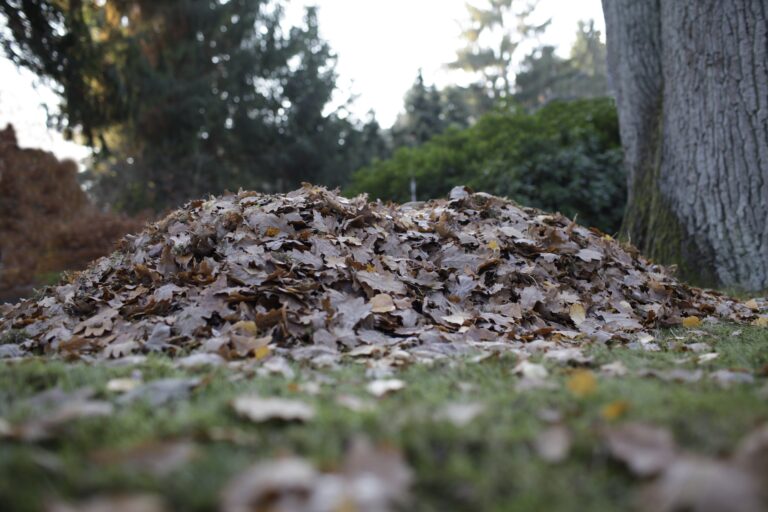
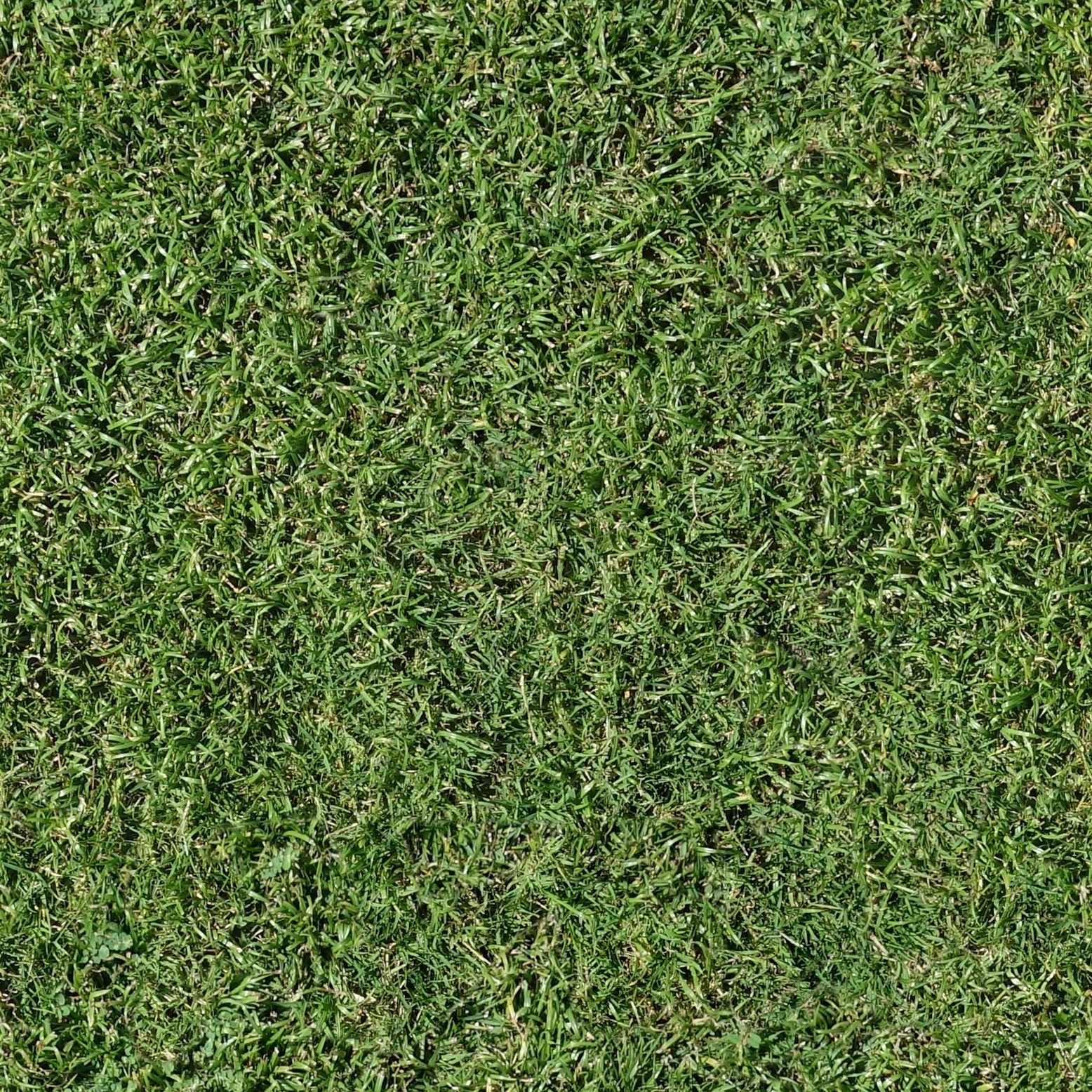
Image: Sisters.seamless – CC0/Wikimedia Commons