Some Backyard Gardeners Are Letting One Raised Bed Go Completely Wild Each Season as a Dedicated Insect Habitat, And What Shows Up Is Changing How They Think About Pest Control
For years, many home gardeners believed the secret to healthy vegetables was keeping every corner of the yard neat and free from weeds. One neighborhood gardening group decided to try something that sounded completely backward.
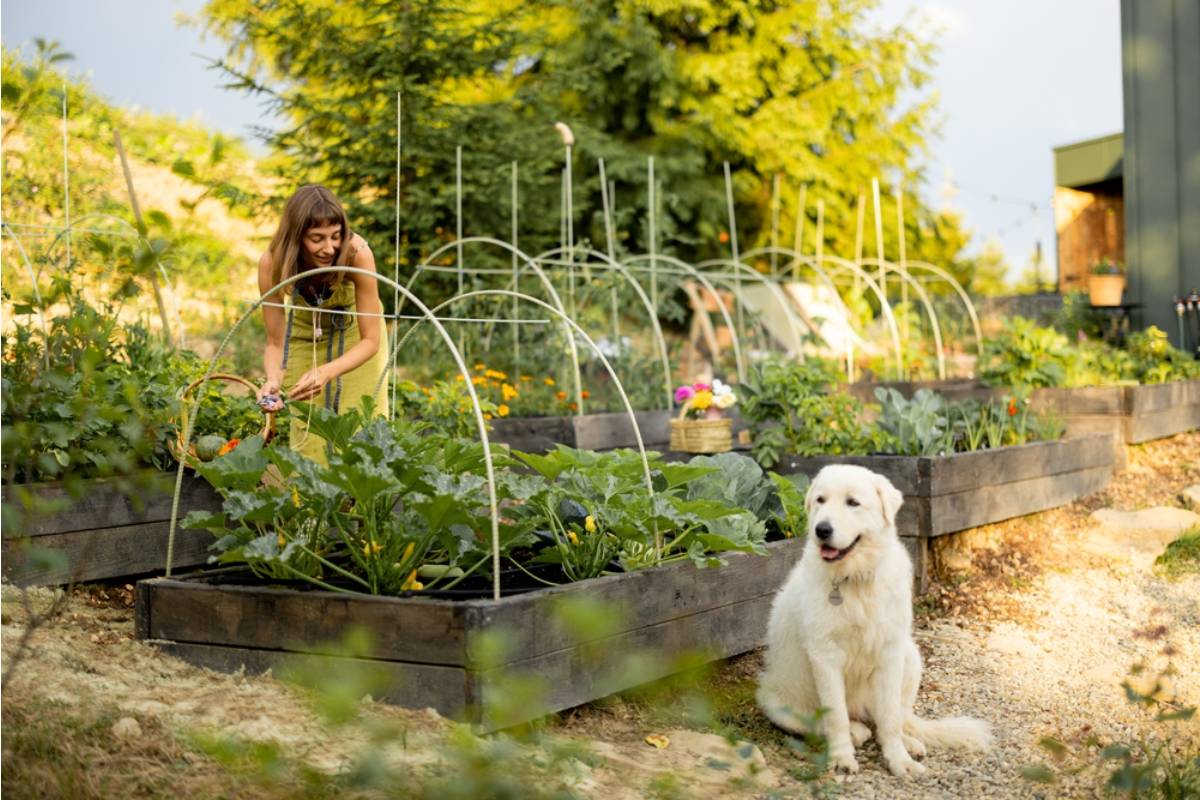
Instead of planting every raised bed with vegetables or flowers, they agreed to leave one bed alone for an entire growing season. They would not weed it, trim it, or try to control what appeared there. What they expected was a messy patch full of problems, but what unfolded completely changed the conversations happening over backyard fences.
The Idea That Everyone Questioned
When Linda first mentioned leaving an entire raised bed untouched, the other gardeners stared at her in disbelief. Someone joked that she was volunteering to grow nothing but headaches. Even her husband asked whether she was giving up on gardening altogether. Linda smiled and said she simply wanted to see what nature would do without constant interference. Nobody expected her experiment to become the most talked about feature in the neighborhood.
The First Visitors Arrived Quietly
The untouched bed looked ordinary during the first few weeks. Small wildflowers appeared beside grasses that nobody had intentionally planted. Tiny insects crawled through the stems while bees visited blossoms that most people would have pulled out as weeds. Children walking by noticed butterflies landing there more often than anywhere else in the yard. The bed suddenly seemed far more alive than the carefully organized vegetable rows beside it.
An Unexpected Discovery Changed the Mood
Mark, another gardener from the group, stopped by carrying a magnifying glass after hearing rumors about unusual insects. As he watched the wild bed, he noticed several ladybugs gathering around clusters of aphids instead of spreading into the vegetable beds. He laughed and called Linda outside. “They’re eating the pests before they ever reach your tomatoes.” That single observation sparked a conversation that lasted the rest of the afternoon.
The Tomato Plants Told Their Own Story
Several weeks later, Linda compared her tomato plants with those in neighboring yards. Her plants showed far fewer damaged leaves despite receiving less attention. Friends expected to hear about a new spray or gardening trick. Instead, she pointed toward the untouched raised bed sitting only a few feet away. The answer seemed almost too simple for anyone to believe.
Skeptics Decided to Run Their Own Test
Not everyone accepted the explanation right away. A retired science teacher named Carol suggested repeating the idea in another yard before drawing conclusions. She left one raised bed completely alone while carefully documenting what happened in the rest of her garden. Every week she filled a notebook with observations instead of assumptions. By midsummer, her notes revealed many of the same surprising patterns Linda had described.
Predators Began Outnumbering the Pests
Carol noticed that praying mantises, lacewings, spiders, and ground beetles kept appearing inside the wild bed before spreading into nearby planting areas. Instead of seeing endless waves of harmful insects, she watched natural predators move through the garden searching for food. Her grandchildren became fascinated by the tiny hunters hiding beneath leaves. What once looked like an abandoned patch suddenly resembled a thriving ecosystem.
One Neighbor Tried to Clean It Up
A homeowner across the street complained that the wild bed looked untidy compared with the rest of the neighborhood. He insisted that removing every weed would solve future insect problems. Before anyone else could respond, Linda invited him to spend ten minutes quietly watching the bed. By the end of the visit, he counted more pollinators than he had seen in his own flower garden all week. His opinion softened after seeing the activity with his own eyes.
The Vegetable Harvest Sparked More Questions
As harvest season approached, several gardeners compared baskets of peppers, cucumbers, and tomatoes. The gardens with untouched insect beds consistently showed fewer pest related problems than many expected. Nobody claimed the experiment eliminated every issue, but they admitted they reached for pest treatments far less often. That result surprised even the people who had supported the idea from the beginning. Conversations shifted from controlling nature to working alongside it.
Children Turned the Bed Into an Outdoor Classroom
Parents noticed their children asking questions every time they visited the gardens. Instead of running past insects, they crouched down to watch bees collecting pollen and beetles moving through fallen leaves. One little boy proudly identified a praying mantis before any of the adults spotted it. Teachers from a nearby school even asked whether students could visit during a gardening project. The once ignored raised bed became the most educational part of the yard.
The Community Garden Followed Their Lead
Word spread beyond the neighborhood after visitors noticed the unusual approach. Members of a nearby community garden decided to dedicate several raised beds to the same idea. Some participants worried about attracting unwanted pests, but they agreed to observe before making changes. By the end of the season, many admitted the insect activity looked balanced rather than overwhelming. Several volunteers said they had never spent so much time simply watching nature at work.
A Simple Conversation Changed Old Habits
One evening, Mark admitted something that surprised everyone gathered around the garden. “I used to think every bug was bad unless someone told me otherwise.” Linda laughed because she had once believed the same thing. They realized the experiment had changed more than their gardens. It had changed the questions they asked before reacting to what they saw.
Looking at the Backyard Differently
The wild raised bed remained standing long after vegetables had been harvested from the surrounding plots. Birds searched through dried stems while beneficial insects found shelter where cleanup had not erased their habitat.
Gardeners who once rushed to remove every unfamiliar plant now paused before pulling anything from the soil. They had learned that sometimes the healthiest part of a garden is the section that appears to be doing nothing at all. What started as a simple experiment ended by changing how an entire community thought about sharing space with the smallest creatures in their backyards.