A Neighbor Complained About the Weeds at a Villages Home in August. The Owner Had Died, and No Emergency Contact Could Be Reached.
Since a neighbor’s complaint in August, the weeds and debris at 789 Chappells Drive in The Villages have gone from an eyesore to an agenda item. The owner, Dang Sams, has died, the complainant told the district, and the people who might act for the estate could not be found.
This past week, the Community Development District 6 Board of Supervisors gave the owner seven days to clean up, according to a Villages-News report published Nov. 21. If nothing changes, the district says it will step in and maintain the property itself.
Phone Numbers That Went Nowhere
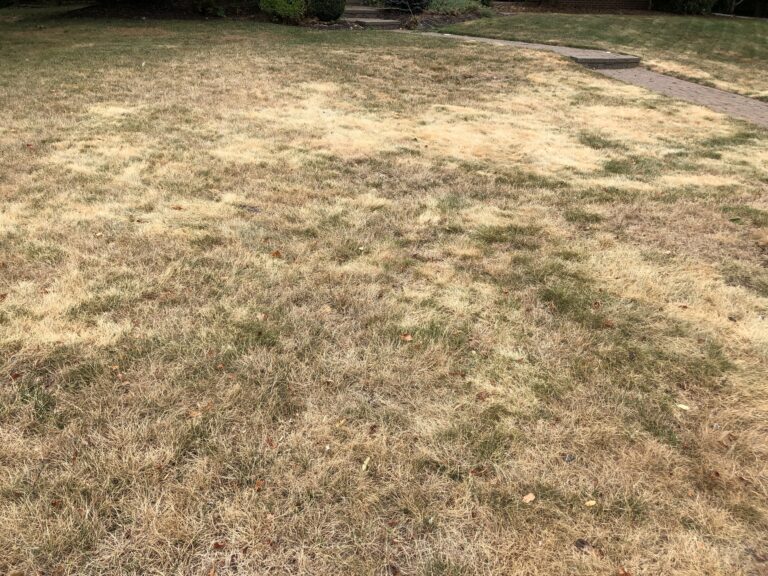
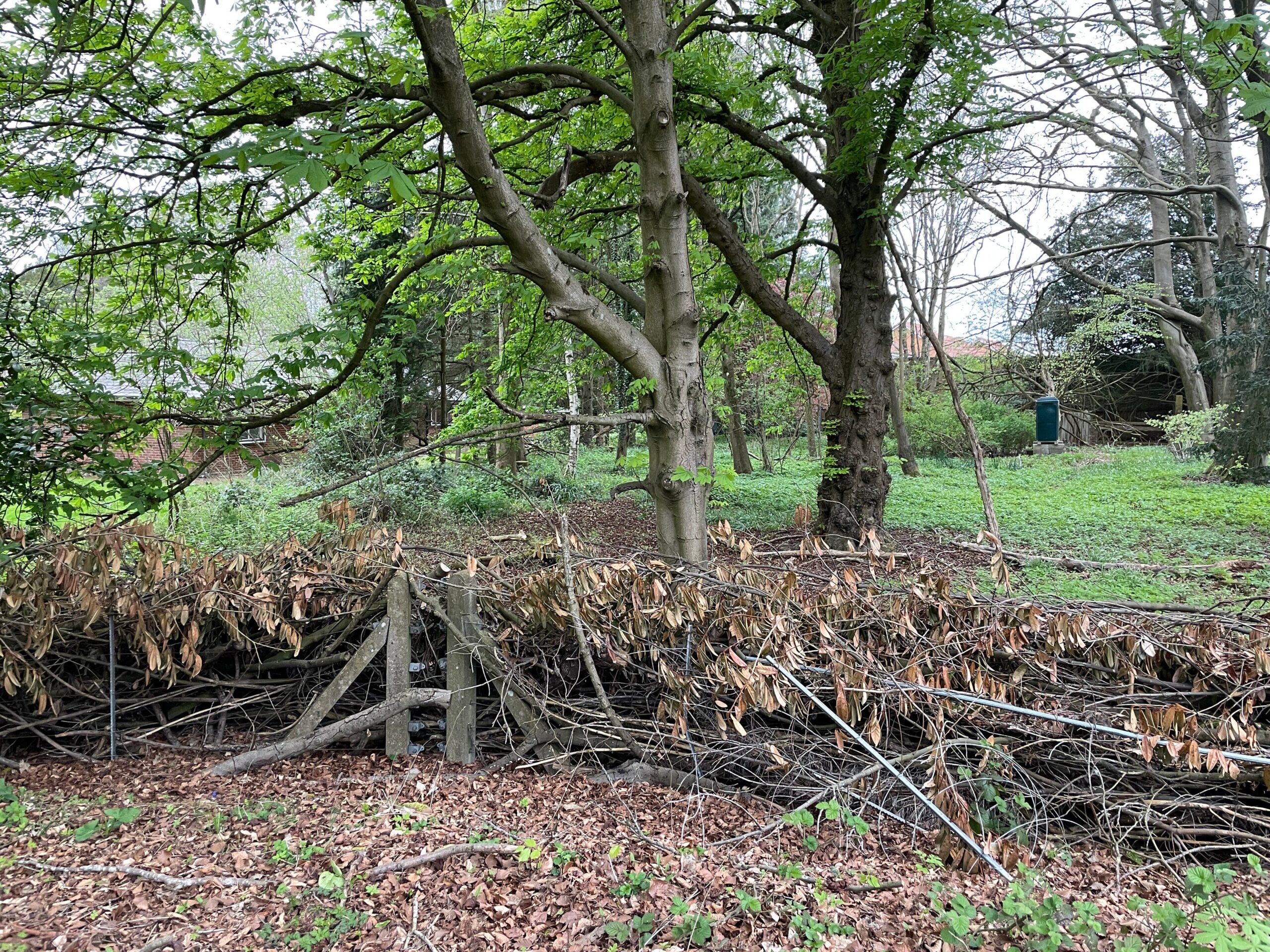
The property sits in Stillwater Villas, part of the Village of Virginia Trace. The complaint, filed in August, described overgrown weeds and miscellaneous debris around the lot. The complainant told the district’s Community Standards Department that the homeowner had died, Villages-News reported.
Staff then tried to find someone responsible. According to the report, none of the phone numbers on file for the emergency contacts or for the designated power of attorney could be reached.
The home has a mortgage, so staff also contacted the U.S. Department of Housing and Urban Development. As of the report, HUD had not responded. The article does not say who, if anyone, has claimed the property since, and it does not name the neighbor who complained.
Seven Days From the District 6 Supervisors
The case went to the District 6 board at a public hearing during the week before the report ran. The article does not give the exact hearing date. The supervisors gave the owner seven days to remove the weeds and debris.
The consequences were spelled out in the same report. If the property is not brought into compliance, the district will authorize maintenance on the owner’s behalf. Fines follow: $250 each time the district has to maintain the property, an initial $150 fine, and $50 a day until the debris is cleaned up.
A similar order surfaced in October. Villages-News reported then that District 1 had found the estate of a different deceased Villager in violation over overgrown weeds at a home in the Village of Palo Alto, where the property-management company had mowed but not removed the weeds. That board also gave seven days. In both cases, a seven-day deadline came first.
Other Villages yard cases have moved along the same track, including a couple’s deed compliance hearing over weeds in the Village of St. James, a family’s seven days to dig up a sweet potato garden and the overgrown yard of another owner who has died.
What District 6’s Rules Say About Lawns, Debris and Fines
District 6 publishes its deed restriction standards in a rules packet that was last revised on Nov. 12, 2025. The packet’s maintenance standards say grass is considered overgrown when it reaches 8 inches in height, and that mowing includes weed removal. Lawns must be kept free from landscaping debris, including fallen palm fronds and tree limbs.
The packet lays out a staged process before any hearing. A first letter gives a prescribed time of between 3 and 15 business days to fix the problem. A second notice allows 15 days. On the 16th day a site visit is made, and a third letter, sent by regular and certified mail, gives the date, time and place of a public hearing.
At the hearing, the rules say, the board makes the final enforcement decision and the owner may present testimony, evidence and witnesses. The fine schedule in the packet matches what Villages-News reported: a $150 initial fine and $50 a day for maintenance infractions, and $250 for each remediation action ordered by the board for mowing.
The packet also covers repeat offenders. Repeat violations may be fined up to $500, and the board may impose a $500 daily fine until the property complies. It adds that a deed compliance hearing officer may hear a case as well, and can find an owner in violation, allow a reasonable time to comply and impose fines.
The district can also do the work itself. The packet says work may be performed on the owner’s behalf by the district, but the district is not obligated to do it, and the cost is charged to the owner. The board may order continued maintenance of the property by the district at a recurring cost to the owner.
Unpaid costs can attach to the property. According to the packet, an order of enforcement is recorded and then becomes a lien against the property. The owner is notified in writing that the order will be recorded ten days from the date of the notification, and has the same ten days to request a hearing to contest it.
A Special-Purpose District, Not an HOA
The enforcement comes from a unit of government rather than a homeowners association. Chapter 190 of the Florida Statutes, as posted on the Florida Senate’s website, defines a community development district as a local unit of special-purpose government limited to the specialized functions the chapter authorizes.
Section 190.012(4) lets a district adopt rules to enforce certain deed restrictions, but only under listed conditions. The law also allows a district to impose fines for violations of those rules and to enforce them in circuit court through injunctive relief.
The district’s own frequently asked questions page tells residents to submit a concern through a digital request or by contacting the Community Standards Department. It also states that Florida law prohibits the Board of Supervisors from communicating with residents about deed compliance cases.
For the Chappells Drive lot, the open questions are practical ones. The report does not say when the seven days began or whether any cleanup has happened. Whether anyone answers for the estate, or whether the district’s crews and the daily fines take over, has not been reported.
This article was produced with AI assistance and edited for accuracy against the sources linked above.
Image: Mr Ignavy – CC BY-SA 2.0/Wikimedia Commons